

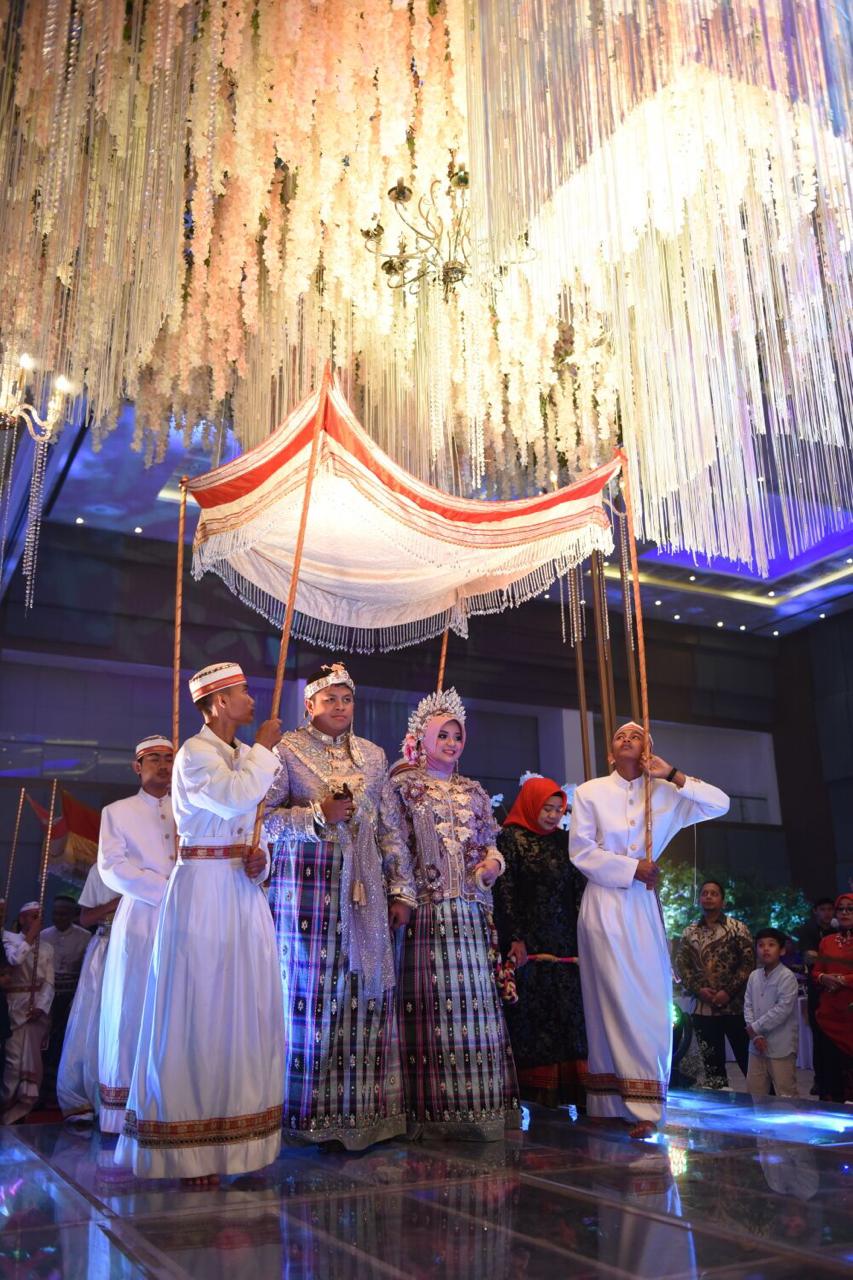
Let’s take a trip to South Sulawesi, Indonesia—the homeland of the Bugis people. With a population of around six million, the Bugis are known throughout history as master sailors and fearless traders. Their ships once crisscrossed the seas of Southeast Asia, shaping the economies of places like Malacca and Singapore. But ask an anthropologist what makes the Bugis truly remarkable, and you won’t just hear about their boats. You’ll hear about their genders. Five of them, to be exact.
Who Are the Bugis?
The Bugis are one of Sulawesi’s largest ethnic groups, and for centuries they have been defined by mobility—both across oceans and within culture. While most Bugis today are Muslim, their traditions hold echoes of older, pre-Islamic practices. Their society is a blend of commerce, faith, and ancestral rituals that continue to shape how Bugis see themselves in the modern world.
Why Their Genders Matter
In many societies, gender is a rigid binary: male or female, nothing in between. The Bugis worldview takes a different approach. For them, there are five recognized identities that together ensure harmony in both society and spirituality. These categories have existed for more than 600 years, woven into rituals, community life, and personal identity.
The Five Genders of the Bugis
Here’s the full cast:
- Oroané – Men in the conventional sense, born male and living as men.
- Makkunrai – Women, born female and living as women.
- Calabai – Born male but embracing feminine roles. Calabai are often central to community events, particularly weddings, where their skills as planners and stylists shine.
- Calalai – Born female but living in masculine roles. They often take on traditionally male work, embodying the strength and independence of Bugis men.
- Bissu – Perhaps the most intriguing of all: the Bissu transcend male and female altogether. Often intersex or considered beyond gender, they are spiritual leaders, priests, and healers. To the Bugis, the Bissu embody all genders at once, making them vital intermediaries between the human and divine.
It’s important to note that these identities are not about sexual orientation. They are about roles, responsibilities, and spiritual meaning.
Why It Matters Today
For centuries, each Bugis gender played a crucial part in community life. Bissu performed sacred rituals and guided rulers. Calabai and Calalai helped maintain social balance, bringing flexibility and inclusivity to cultural norms. But today, these traditions are under pressure. Conservative religious movements, social stigma, and the migration of young people into cities have made it harder for the five-gender system to thrive. The Bissu, once revered, now struggle to find a place in modern Indonesia.
The Bugis Today
Even so, the Bugis people remain vibrant—whether in South Sulawesi’s villages and cities or in diaspora communities across Malaysia and Singapore. Their five-gender understanding stands as a living reminder that human identity has always been more diverse than the “male versus female” binary. In honoring this tradition, the Bugis offer the world not just a history lesson but a challenge: to imagine gender not as a fixed box, but as a spectrum of possibilities shaped by culture, spirituality, and human experience.
