

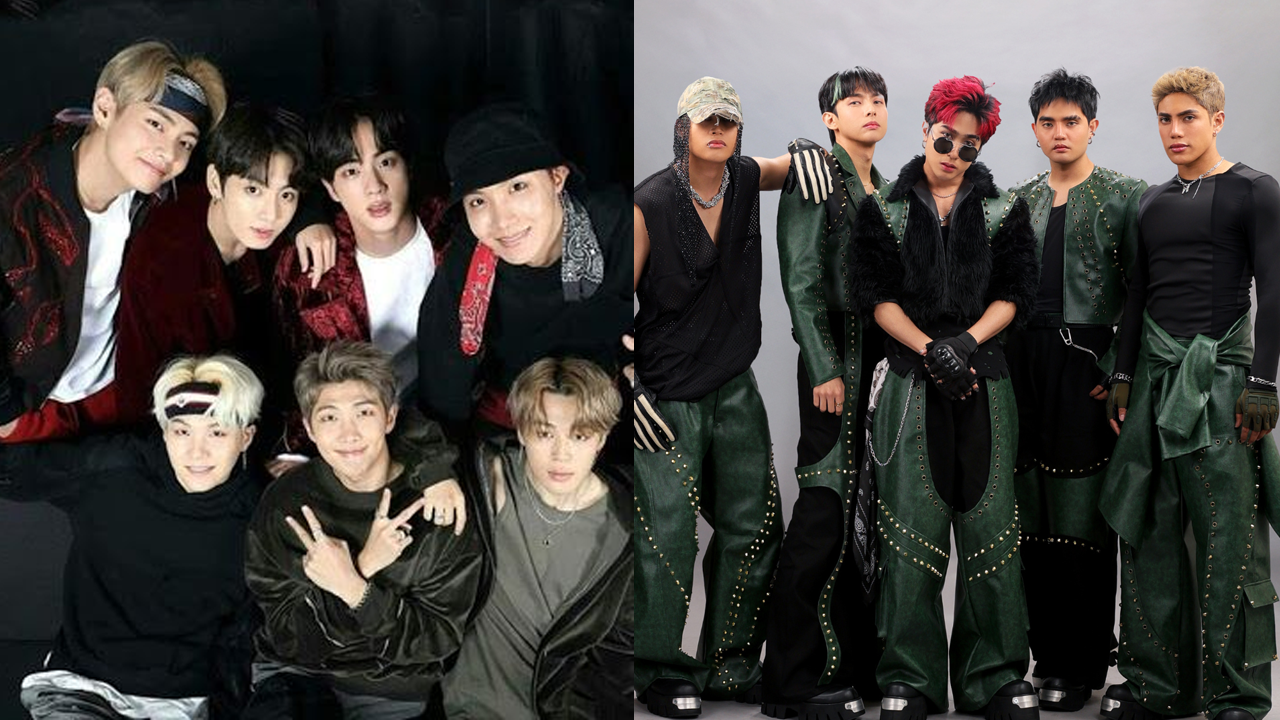
We’ve heard it a thousand times. Whenever someone asks what it would take for the Philippines to produce a group as successful as BTS—and to be embraced in the West the way Korea has—the most popular answer is: develop our soft power.
But what does that actually mean? To understand, we need to break it down:
- What is soft power?
- How did South Korea develop its soft power?
- How did this so-called soft power contribute to BTS’s success?
- Can groups like Philippines’ SB19 copy it?
WHAT ON EARTH IS SOFT POWER?
If hard power is about using guns and authority to force people into action, soft power is the opposite—it shapes preferences through attraction and appeal.
When you see a celebrity wearing a beautiful dress and suddenly feel the urge to buy it, that’s soft power. They didn’t force you; they made you want it.
This is why soft power is often tied to entertainment—because celebrities and cultural products can influence behavior without ever raising a weapon.
But John Hamre, head of the Center for Strategic & International Studies, reminds us it’s more complex than that. How does a celebrity gain that influence in the first place? By building credibility: through music, films, TV appearances, fashion, magazine covers, endorsements, awards, and a track record of success.
So if we assume BTS became popular because South Korea already had soft power, the question is: how did Korea build influence strong enough to make the world pay attention? Which Korean celebrities paved the way internationally?
Here’s the trick answer: none of them.
Joseph Nye of Harvard University explains that when you’re talking about a nation’s soft power, it’s not just about entertainment—it expands into three “currencies”: culture, political values, and foreign policy.
Hamre adds that soft power grows from the strength and confidence of a society in its identity and culture, and from the constructiveness of its social fabric.
In other words, soft power isn’t just K-dramas, K-pop, or fashion. It’s a society presenting itself as attractive and desirable—culturally, politically, and socially—so that others voluntarily want to engage with it. Arts and entertainment are just the most visible piece of that puzzle.
HOW DID SOUTH KOREA DEVELOP ITS SOFT POWER?
The short answer: about 800 years of work.
1. Values Grounded in Faith
Korea’s foundation in Confucianism shaped its politics and society for centuries. Confucian ideals emphasized hierarchy, family, and collective identity. From the Choson dynasty (1392–1910) onward, Koreans lived by their own language, laws, and traditions. This long period of cultural continuity laid the groundwork for strong national identity—soft power in its earliest form.
2. Culture Meets Industrialization
When South Korea industrialized in the 1960s, it didn’t abandon tradition. While GDP soared more than 10% annually, the country passed the Cultural Heritage Protection Act (1962) and created the Cultural Heritage Administration (CHA).
The CHA safeguards historical sites, folk customs, food, music, crafts, and dance. It also created the concept of Living National Treasures—individuals who pass down intangible cultural heritage to new generations.
The CHA also funds films and TV shows (not always historical, but reflective of Korean values), builds cultural venues, and supports communities in preserving traditions. In short, Korea didn’t let industrial growth erase its cultural soul—it fused the two.
3. Beyond Government
Most importantly, CHA nurtured people’s relationship with their culture. Governments and presidents change, but communities endure. Local groups actively partnered with CHA to preserve traditions, turning soft power into something people lived, not just a policy.
Soft power is for us, the citizens, first—to believe in our own culture before expecting the world to follow. It isn’t a magic formula for success—it’s the soil where artistry can grow. In the case of BTS, soft power set the stage, but BTS wrote their own story. Chasing BTS’s formula is a trap. Building cultural confidence is the real goal.
IS SOFT POWER THE KEY TO K-POP’S GLOBAL SUCCESS?
Here’s where it gets tricky.
Other countries have strong soft power too. Japan has Kurosawa, anime, and kimono culture. India has yoga, jewelry, Bollywood, and Slumdog Millionaire’s Oscar win. China? Say no more. Yet none of them produced a global pop phenomenon like BTS.
That’s because the correlation is misplaced. Soft power didn’t directly make BTS famous. What soft power did was build the ecosystem—a vibrant entertainment industry—that made it possible for BTS to exist.
Soft power created fertile ground. But it was music, talent, choreography, smart management, and ARMY that pushed BTS into the West.
HOLLYWOOD IS CLIQUISH
Let’s not forget another reality: Hollywood is controlled by a few gatekeepers, and they don’t open doors easily.
If Hollywood were truly fair, K-pop would already dominate, given its global sales. Yet even BTS, with all their achievements, still face resistance—limited radio play, award snubs, and an undercurrent of disrespect despite record-breaking numbers.
BTS broke through with sales. They became too big to ignore.
But their rise wasn’t just numbers. It was quality music, flawless choreography, messages that cut through cultural divides, unforgettable performances, and an intentional, intimate relationship with their fans.
So yes, soft power laid the foundation. But it was BTS’s artistry and ARMY’s loyalty that bulldozed the walls.
CAN WE REPLICATE BTS’S SUCCESS?
This is the million-dollar question—and maybe the wrong one.
It’s like asking if anyone has replicated The Beatles or Michael Jackson. The answer is no. These artists weren’t following blueprints; they were writing their own.
Korea didn’t start preserving culture in order to create “the next Michael Jackson.” They did it to strengthen their national identity. The byproduct was a fertile entertainment industry, which later gave us BTS.
That’s the right lesson: don’t aim to copy. Aim to build.
KEY TAKEAWAYS
Soft power is for us first. We need to believe in our own culture before expecting the world to.
Soft power isn’t a magic wand. It won’t solve every problem. But neglecting it is equally dangerous. Without it, a country loses one of its most important tools of influence.
Remember: the Berlin Wall didn’t fall because of tanks—it fell because people’s minds had already been changed by Western culture and broadcasts.
That’s the power of soft power. Not everything, but not nothing either.
