

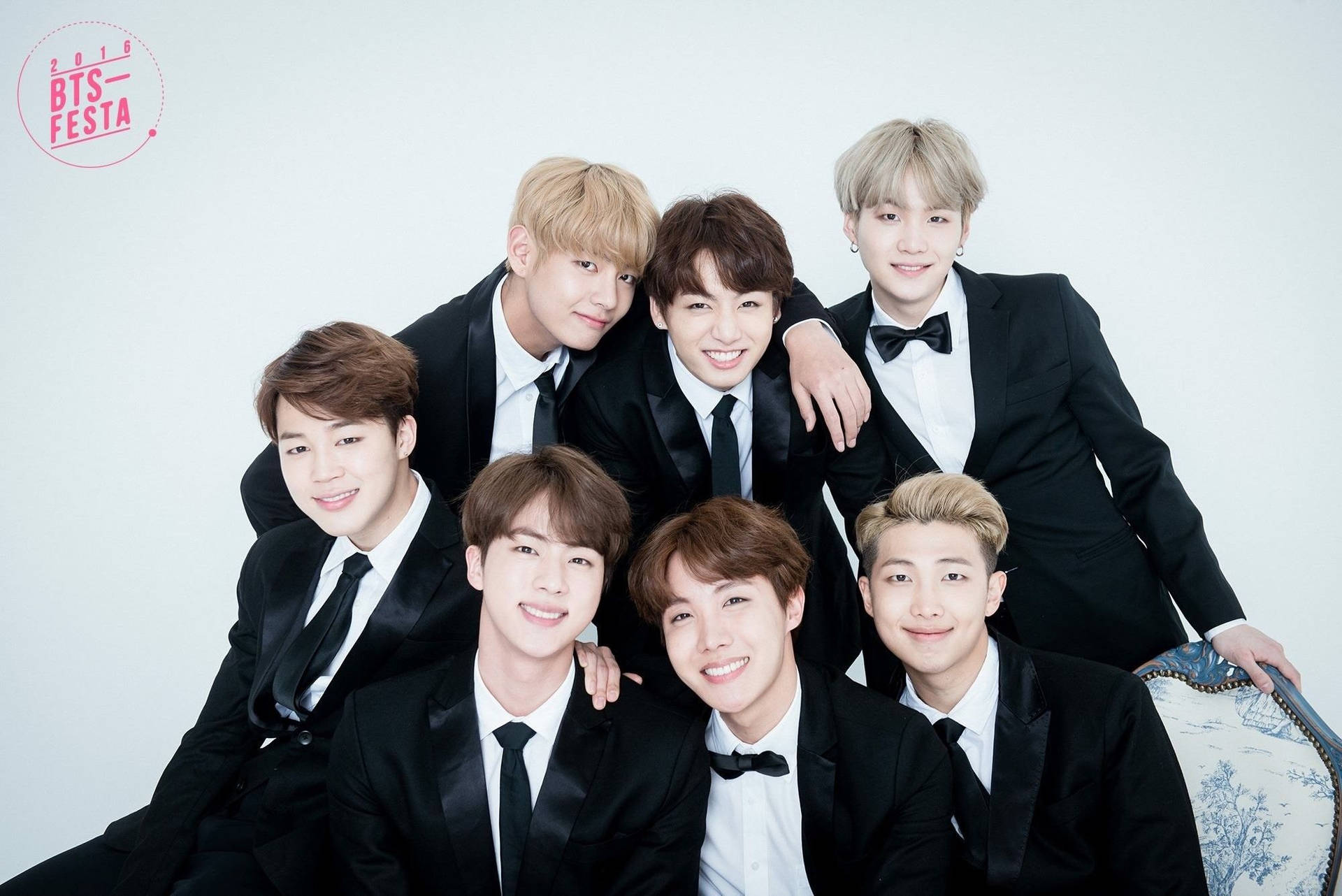
If there’s one truth the global music industry has learned in the last decade, it’s this: BTS isn’t just a boyband. They’re a business model. And like every successful model, it’s being studied, copied, and adapted—especially by Western labels eager to replicate even a fraction of BTS’s impact.
So what exactly did BTS (and Big Hit/HYBE) do differently, and how will it shape the future of music marketing? Let’s break it down.
EXPANDING IP BEYOND MUSIC
Traditionally, Western labels operated under the so-called *360 contract*: labels take a cut of concerts, merch, and endorsements, but they rarely build businesses beyond music. BTS changed that.
- IP as financial freedom: BTS developed standalone intellectual properties like BT21 and TinyTAN. Once launched, these IPs generated licensing revenue globally—through toys, fashion, stationery, cosmetics, and more—without the members lifting a finger.
- Why it matters: This gives artists financial consistency. Instead of relying solely on touring or album cycles, BTS’s IPs make money while the members focus on music (or even during military service).
- The playbook: Start by attaching the artist’s image to a new IP, then gradually separate it so it thrives independently. Think Disney with Mickey Mouse—except in BTS’s case, it’s animated versions of themselves.
Western labels are already eyeing this model: create side brands, start with artist recognition, then let the IP live its own life.
How is this different from the Nike x Jordan and Rihannz x Fenty deal?
Why not do something like a Fenty x Rihanna deal or Jordan x Nike? It’s profitable AND easier.
Jordans is a Nike product line built entirely around Michael Jordan’s name and legacy. Nike owns the brand, controls the distribution, and reaps the long-term benefits. Jordan gets royalties, yes, but he doesn’t own a global corporation called “Jordan” that runs independently of Nike. The power, and the profit center, remain with the label—in this case, Nike.
Fenty Beauty, on the other hand, is Rihanna’s brand, but it’s still powered by LVMH. It thrives because Rihanna stays culturally relevant, and the infrastructure is provided by one of the biggest luxury groups in the world. That means the brand rises and falls with her visibility.
And that’s the crucial point: Jordan-style deals are great for the artist and the partner brand, but they’re not particularly beneficial for labels because the label doesn’t own the IP. They’re just attaching an artist to someone else’s product. Once the partnership ends, the revenue ends.
Instead of being the face of someone else’s campaign, BTS built IPs that generate money endlessly, even when the members step back. It’s not just merch—it’s a self-sustaining brand universe, closer to Disney or Sanrio than sneakers or cosmetics.
For HYBE and Geffen, they also generate income continuously.
Jordan gets royalties. Rihanna gets a brand. But BTS owns universes that outlive them.
MASTERING THE POWER OF NARRATIVES
BTS expanded their universe by telling stories across different art forms. ‘The Most Beautiful Moment in Life’ series started the Bangtan Universe. The story is told through music, music videos, short films, books, comic books, websites, and others. The vastness of the narrative expression allowed them to create a layered mythology.
- Why it works: Narratives outlive artists. Michael Jackson’s *Thriller* and The Beatles’ Sgt. Pepper personas prove that stories turn music into culture.
- The BTS effect: They scaled narratives for the digital age, blending K-dramas, webtoons, short films, and albums into a transmedia world that fans could live inside.
- The industry shift: Short-form storytelling will not go away but more and more Western acts who want a sustainable career will move back toward long-form storytelling—not just singles designed for TikTok, but storyworlds designed for years of fan investment.
ELEVATING THE CONCERT EXPERIENCE
Concerts are no longer “just” concerts. BTS pioneered what felt like mini-festivals: pop-up exhibits, interactive installations, photo zones, games, even themed cafés in the days leading up to a show. It encourages long-term engagement. It’s not a one and done deal. Fans invest their time, brains, and more money. That develops a deeper connection with the artist.
- Result: Fans traveled internationally, making the live experience a pilgrimage.
- What’s next: Expect Western artists—especially megastars like Taylor Swift—to adopt fan festivals around their tours, creating a multi-day economy rather than a single night of music.

CONTINUOUS ENGAGEMENT OUTSIDE OF ALBUM CYCLES
Most artists disappear between album releases. BTS refused to. They prepare releases and projects years in advance to fill the “silent” years.
- Tactics: Pop-up stores, photo exhibits (V’s photography showcase), special merch lines, and immersive fan events keep the brand alive during downtime.
- Why it matters: It keeps fans engaged year-round, strengthening loyalty and reducing the risk of fading from public consciousness.
ARTISTIC EXPRESSION BEYOND MUSIC
BTS members explore other mediums—photography, fashion, visual arts—and monetize them. Each side project wasn’t just “extra,” it was part of building an artistic empire.
- RM curates art collections.
- V holds photography exhibits.
- Jin created his own variety shows.
By diversifying creativity, BTS set a precedent: labels should treat artists not just as singers, but as multi-disciplinary brands.
GLOBAL PRESS CONFERENCES & NARRATIVE CONTROL
Instead of relying solely on press junkets, BTS hosted global press conferences. This allowed them to:
- Control their own narrative.
- Elevate their image as articulate, thoughtful artists.
- Showcase intelligence and maturity rarely highlighted in idol culture.
- Focus on their music instead of answering useless questions.
Not all artists will have the brains and appetite for substantial global conferences, but those who do will gain prestige.
POP-UPS, LIMITED DROPS, AND UNEXPECTED COLLABS
The fashion industry has shifted toward FOMO-driven pop-ups—and BTS leaned in.
- Pop-ups: Limited-time retail events in major cities with immersive design. Fans lined up because they knew they might never see the same merch again.
- Unexpected collabs: Think Suga x NBA. Studies show surprise partnerships spark higher engagement than predictable ones.
Short-form videos will not go away but artists will increasingly pivot to short-term, high-impact activations instead of endless merch drops. It’s easier on inventory and more efficient in terms of revenue per unit.
IMMERSIVE MARKETING
In every pop up store and exhibits, BTS sets up interactive areas to allow fans to interact with their content, put themselves in the shoes of BTS, take photos, create memories and in a remote way, be inside the world BTS created.
From interactive exhibits to recreating iconic music video sets (*Love Yourself*’s bus stop, giant pianos, karaoke rooms), BTS blurred the line between shopping, art, and play.
Fans don’t just want to consume—they want to participate.
SEPARATING ART FROM MARKETING
Perhaps the boldest lesson: BTS didn’t let marketing dictate the music.
- They wrote songs they believed in.
- The marketing machine was built *around* the art—not the other way around.
This discipline preserved their credibility while still enabling billion-dollar campaigns. Western labels, often guilty of chasing trends at the expense of quality, will need to rethink how much they let marketing intrude on the art itself.
WESTERN LABELS NEED BTS’S BUSINESS STRATEGY
Many Western artists complain that labels chase trends at the expense of quality. BTS has shown that art doesn’t need to be sacrificed for business. Ask any artist, in any medium, and they’ll tell you: one of the hardest realities of being an artist is the mortality of their prime. It doesn’t last long. Very few manage to stay at the top for decades. And because their careers are so tied to their active participation, once they slow down, the checks slow down too.
What BTS built with Big Hit and HYBE flips that script. Their model creates multiple revenue streams that extend far beyond music sales and touring. In theory, the sources of income are unlimited—earning continues even if an artist takes a break, shifts priorities, or ages out of the spotlight. It transcends their role as musicians and builds them as enduring brands.
That’s why it’s inevitable that Geffen—and eventually Universal Music and Sony—will adopt this strategy. The music industry might appear to be growing, but once you adjust for inflation, it’s actually in decline. Labels urgently need to evolve, and BTS’s business model provides the blueprint.
The genius of it is that artists still benefit directly. If labels can help their talent generate income beyond music, they won’t lose them when momentum slows—they’ll have them for life. And for artists, this model doesn’t come at the expense of quality. BTS and HYBE built their marketing around the art itself, proving that creativity and commerce can not only coexist but amplify one another.
Of course, execution matters. The strategy only works if it’s managed well. Geffen is already pushing hard—Cats Eye is just the start, with more groups on the way. The real question now is how far Western labels are willing to evolve, and whether they can fully embrace a model where the art drives the business, not the other way around.
