

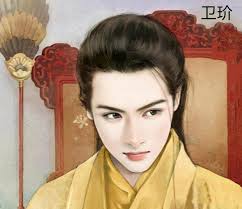
Once upon a time in Ancient China, there lived a man named Wei Jie, a dude so drop-dead gorgeous that his looks quite literally made people lose their minds. If he were alive today, think K-pop idol meets Greek god, but in flowing Han dynasty robes, radiating main character energy wherever he went.
Just How Hot Was Wei Jie? Let’s break it down:
- His face was so flawless that poets compared his skin to polished jade and his grace to a swan gliding on water.
- He was so mesmerizing that people would literally faint in his presence.
- Legend has it that crowds would gather just to watch him walk by, like he was the human version of a TikTok thirst trap—except way more poetic.
Now, you’d think being this hot would be a blessing, right? Wrong.
Beauty So Dangerous, It Became Deadly
Here’s where it gets wild. Wei Jie’s beauty was so overwhelming that it stirred up dangerous levels of gossip and obsession.
Rumors started flying that he was some mystical being, too perfect for this mortal realm.
People exaggerated his elegance to the point that reality blurred—he became more of a mythical figure than a human.
But the real problem? His stunning looks attracted the attention of political rivals. Yep, he was basically so handsome, people assumed he had to be scheming something.
And then… tragedy struck.
Read about the deity who was so hot and flirty and how that got him arrested.
Death by Handsomeness (Yes, Really)
Wei Jie literally died from being too beautiful.
The stress of constant attention, the envy, the dangerous rumors—all piled up.
Historical accounts suggest he may have succumbed to anxiety, paranoia, or simply the emotional exhaustion of living under the relentless spotlight.
Yes, the man was so ridiculously attractive that the pressure of being admired killed him. Imagine dying not because of heartbreak, but because people just couldn’t handle your face.
The Curse of Perfection
Wei Jie’s story is more than just a bizarre historical footnote. It reflects how obsession with beauty can become toxic—whether it’s ancient China or modern social media. His fate reminds us that:
- Idealization can dehumanize. When we put people on impossible pedestals, we erase their humanity.
- Looks fade, but pressure lasts. Whether it’s viral fame or ancient myths, being defined only by appearance can be more of a burden than blessing.
So, while Wei Jie’s beauty was truly unforgettable, his story whispers a timeless truth: Being admired is nice—but being truly seen is priceless.
