

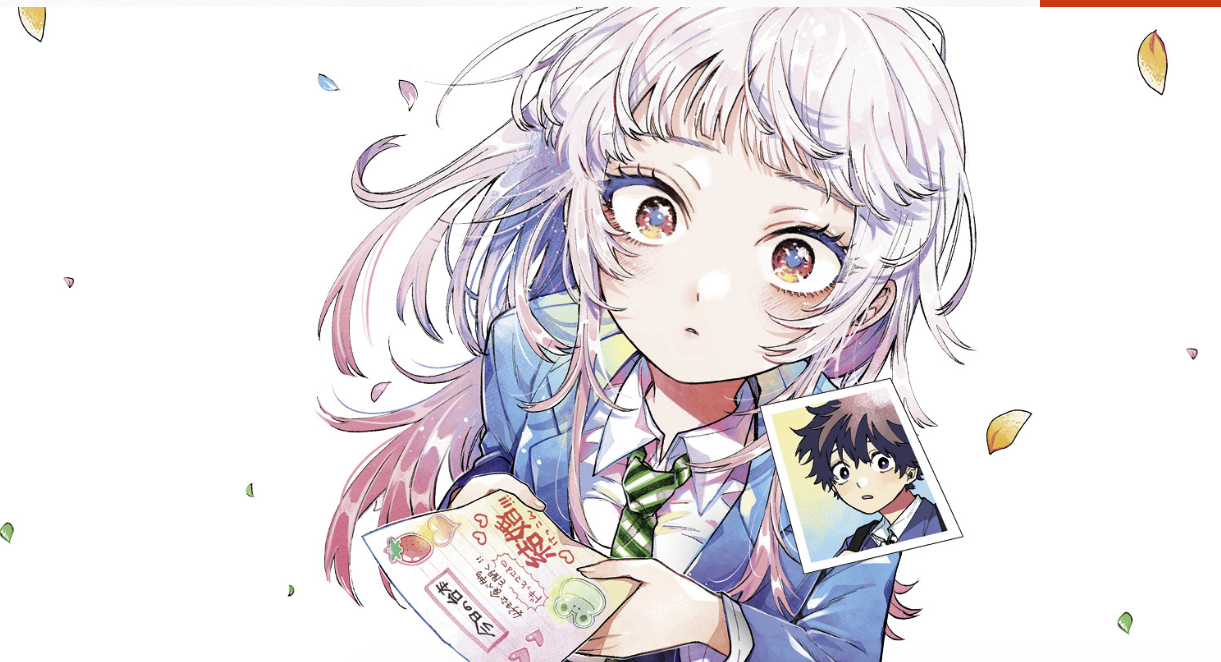
Akira Failing in Love is the rom-com manga turning awkward crushes into hilarious chaos. Here’s why it’s one of the sweetest new reads of 2026.
If you’re on the hunt for a fresh rom-com manga that captures the hilarious chaos of young love, look no further than Akira Failing in Love (original Japanese title: Momose Akira no Hatsukoi Hatanchuu) by Shinta Harekawa. This series is a gem for fans of awkward high school antics and mutual pining, and it’s quickly becoming a standout in the genre. Let me break down why I’d recommend it, starting with the basics.
The Story
The story follows Akira Momose, a high school girl who returns to her quiet rural hometown with a meticulously planned strategy to win over her childhood crush, Hajime Kugayama. She’s armed with elaborate schemes—like covering his eyes to “surprise” him, tricking him into saying her name, or staging moments to make his heart race—but everything goes hilariously awry due to her clumsiness and overthinking.
Unbeknownst to her, Hajime is equally smitten, but he’s so dense and oblivious that he misinterprets every signal. Set against the backdrop of everyday school life, sports, and small-town vibes, the manga thrives on misunderstandings, failed flirtations, and the slow-burn realization that they’re both fools in love. It’s a chaotic comedy of errors, where plans flop spectacularly, leading to bizarre and endearing situations that highlight their mutual shyness and anxiety.
Why It Resonates
What makes Akira Failing in Love so engaging is its relatable portrayal of first-love jitters. The characters’ awkwardness feels authentic—Akira’s elaborate but botched attempts at romance mirror that universal experience of overcomplicating crushes, while Hajime’s cluelessness adds layers of frustration and charm. It’s not just slapstick; there’s genuine emotional depth in their growth, with themes of self-doubt, friendship support, and the joy of small victories.
The humor comes from perfectly timed hijinks and exaggerated reactions, making it a feel-good escape that can brighten a gloomy day. Readers often describe it as “sunshine in manga form,” blending wholesome moments with laugh-out-loud comedy that hits home for anyone who’s ever fumbled a flirtation.
What Fans Are Saying
Since its debut, the series has gained solid traction, especially after ranking 6th in the 2025 Next Manga Award’s print category—a big nod from the industry.
It’s serialized in Shogakukan’s Weekly Big Comic Spirits and licensed in English by VIZ Media, with simulpub chapters dropping weekly and the first volume set for a North American release on March 10, 2026.
High-profile endorsements from creators like Rumiko Takahashi (Ranma 1/2), Gosho Aoyama (Detective Conan), Katsura Hoshino (D. Gray-man), and others have boosted its visibility, praising its fresh take on rom-com tropes.
Fan feedback is overwhelmingly positive, with an average Goodreads rating of 4.10 for the first volume.
Readers rave about the “cute and lighthearted” vibes, beautiful artwork, and supportive side characters that enhance the pacing. On platforms like Reddit and TikTok, it’s called “hilarious” and “wholesome,” often compared to Komi Can’t Communicate or Kaguya-sama: Love is War for its miscommunication-driven humor.
Some fans note the “diabetic” sweetness amid the chaos, while a few critique minor elements like occasional lewd interstitial art as unnecessary. On X, recent posts highlight its fun factor, with users sharing panels and calling it a “fun manga” full of relatable mishaps.
Overall, it’s building a dedicated following for its consistency and charm, with speculation about a potential anime adaptation (fingers crossed for Netflix!).
About the Creator
Shinta Harekawa is a versatile Japanese manga artist known for blending humor, emotion, and detailed character work across genres. They debuted with boys’ love series like Senpai, This Can’t Be Love! (serialized since 2019, with a live-action drama adaptation in 2022), where they researched CG industry pros for authenticity.
Other notable works include the dark fantasy Three Exorcism Siblings (exploring yokai lore and family bonds), Inma-kun wa Oshigoto Dekinai, and Everyone Stand Up! Boys Love Private High School. Harekawa’s style shines in expressive faces, vibrant art, and pacing that keeps stories engaging, making them a rising name in both rom-com and action manga.
Why It Resonates with Western AudienceS
Even though it’s rooted in Japanese high school tropes, the core appeal is timeless and cross-cultural: the awkward thrill of first crushes, the comedy of errors in communication, and the warmth of budding romance.
Western readers connect with the relatable anxiety and dorky charm, much like in shows such as The Office or New Girl, where misunderstandings drive the laughs. The rural setting adds a cozy, slice-of-life feel that’s universally appealing, and the lack of over-the-top drama keeps it light and bingeable.
Fans in the West often highlight how it subverts expectations—Akira isn’t a flawless heroine; she’s endearingly incompetent, which feels empowering and real. Plus, the beautiful, colorful art makes it visually inviting for newcomers to manga.
If this sounds like your vibe, dive into the simulpubs on VIZ or grab the upcoming print volume. It’s the kind of series that leaves you smiling and eager for more awkward adorableness!
