

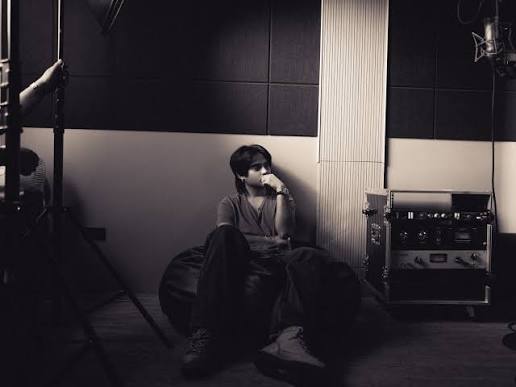
In the high-octane world of P-pop, where SB19 built its empire on explosive choreography, stadium-ready anthems, and Pablo’s razor-sharp rap verses, the group’s leader has chosen a surprisingly quiet act of rebellion.
On July 17, 2026, Pablo released “USAD,” his first official solo single since his 2024 double album ALON and LAON. But this isn’t simply another chapter in his solo career.
It’s a revolution against others and against himself.
For years, audiences have known Pablo (John Paulo Nase) as SB19’s leader, principal songwriter, producer, and rapper—the steady force carrying one of the Philippines’ biggest acts. “USAD” strips away that image. Instead of attacking the beat with rapid-fire bars, he leans into vulnerability, melody, and restraint, embracing a side of himself that has always existed but rarely occupied center stage.
Breaking Free From His Own Image
The biggest surprise about “USAD” isn’t that Pablo sings. He’s always been able to.
Anyone who has listened to “ILAW (Light)” knows his voice carries an emotional weight that could break spirits as fast as it could put them together. It has a certain raspiness to it that makes the anguish of his songs feel like the unfolding of a pain from a thousand different lives.
Where his verses often project confidence and authority, his singing exposes uncertainty, hope, and quiet resilience.
The difference is that this time, he doesn’t return to rap. He stays with the voice. That choice changes everything.
Rather than proving he can sing, Pablo seems to be proving something to himself: that he no longer has to fit the version of Pablo everyone expects.
A Different Kind of Strength
Produced and composed by Pablo himself, “USAD” trades hip-hop aggression for smooth R&B, funky synths, and gospel-inspired harmonies that gradually build into something uplifting.
The production never fights for attention. It gives his voice space.
Every decision feels intentional. The restrained arrangement allows vulnerability—not technical showmanship—to become the centerpiece. Even the gospel choir serves the song’s emotional purpose, transforming a deeply personal struggle into something listeners can share.
Ironically, by pulling back, Pablo reveals more of himself than ever before.
The Revolution Happens in the Middle
Pablo described “USAD” as the first single of “the middle child,” released the same day as his showcase The Middle.
The title couldn’t be more fitting. The middle is where most revolutions happen. Not at the beginning, when excitement is limitless. Not at the end, when victory is visible. But in the uncomfortable stretch between who you were and who you’re becoming.
Pablo admitted the song came from a period where he felt busy but stagnant—doing everything he was supposed to do while wondering whether he was actually moving forward.
It’s a feeling almost everyone recognizes but few successful artists openly admit.
Especially leaders. Especially people everyone assumes have everything figured out.
Reinventing Without Erasing
What’s remarkable is that “USAD” doesn’t reject the Pablo fans already know.
What “USAD” does is expand the picture.
Pablo has always been one of P-pop’s most introspective songwriters. Whether writing for SB19 or crafting his own material, his songs have consistently wrestled with doubt, purpose, perseverance, and identity. Emotional depth has never been new to him.
What is new is how he chooses to express it.
Instead of letting rap carry the emotional weight, Pablo commits fully to melody. His singing is no longer a complement to his verses—it becomes the primary storyteller. That decision transforms “USAD” from simply another solo release into a declaration of artistic intent.
The timing reinforces that message. Pablo has released solo music before, but The Middle marks something more tangible. A sold-out solo showcase isn’t just another item on a résumé; it’s an investment in an identity that exists alongside SB19 rather than beneath it. It signals that this isn’t a side project or a brief detour. It’s the beginning of a space Pablo is intentionally building for himself.
“USAD” doesn’t introduce a new Pablo.
It reveals a version of Pablo that has been there all along—one now confident enough to let his voice lead the conversation.
