

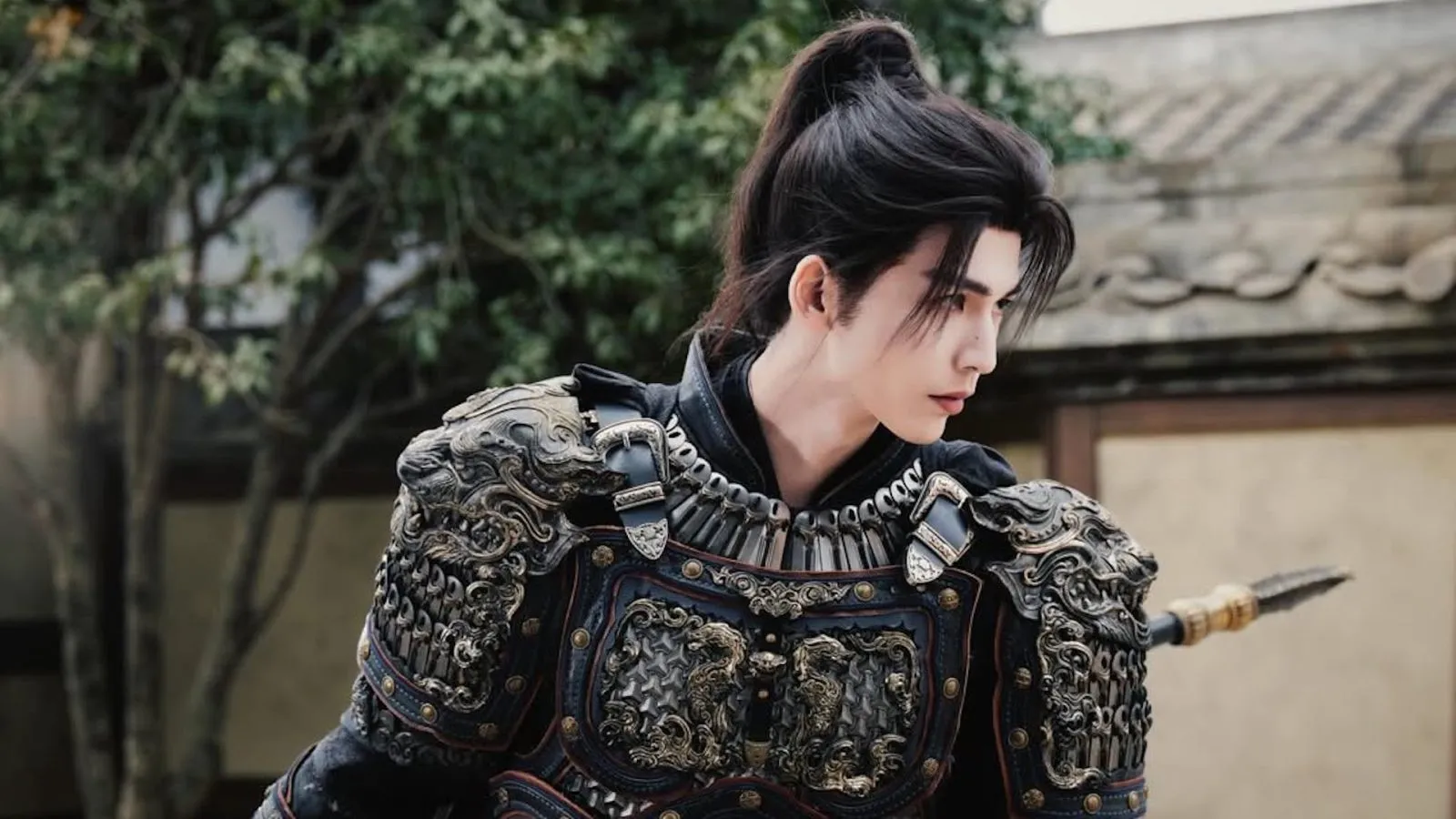
China has a message for its television industry: a beautiful face is not a substitute for a good script. The country’s National Radio and Television Administration (NRTA) is pushing television producers toward what it calls “healthy aesthetics,” urging the industry to move away from an excessive emphasis on physical appearance and celebrity popularity and put greater weight on acting ability, characterization and storytelling.
Before anyone panics, China is not banning attractive actors. Your impossibly beautiful xianxia immortal with waist-length hair, flawless skin and 14 layers of silk appears to be safe—probably. What regulators are challenging is a much bigger industry practice: choosing highly popular, highly marketable stars first and building projects around them, sometimes at the expense of acting, character suitability and story.
For anyone who has ever watched 36 episodes of a drama because the leads were gorgeous only to realize around Episode 29 that absolutely nothing makes sense, China has apparently been reading your comments.
China Has a Problem With “Traffic Stars”
To understand the new push, American audiences need to understand one of the most important terms in modern Chinese entertainment: liuliang, or “traffic.” In this context, traffic refers broadly to the enormous amount of attention celebrities can generate online. A liuliang star, often translated as a “traffic star,” can bring millions of followers, social engagement, trending topics and, crucially, an existing fandom willing to watch and promote almost any project their favorite actor joins.
From a business perspective, the appeal is obvious. Start with one popular celebrity, add another popular celebrity, announce a drama and watch both fandoms begin generating publicity before anyone has filmed Episode 1. It’s essentially built-in marketing, and in an industry where major dramas require substantial investment, having millions of potential viewers already emotionally invested in the stars can help reduce financial risk.
The problem comes when popularity begins influencing decisions that should probably be made for creative reasons. During an April symposium on “healthy aesthetics” in television dramas, attended by major industry players including Tencent Video, iQIYI, Youku and Mango TV, regulators specifically warned against “appearance above all” and excessive “traffic dependence.” Instead, they called for productions to put content first and characters at the center.
Translation: Please cast the person who can play the character, not simply the person whose face can generate 300 million views on Weibo.
Yes, China Would Like the Actors to Act
One of the principles emphasized in the guidance can roughly be translated as: Whatever you’re playing, you should resemble it. That sounds obvious until you remember that entertainment industries around the world have spent decades asking audiences to believe that someone with perfect hair, perfect teeth, flawless skin and a personal trainer is an exhausted person who hasn’t eaten properly in six months.
China would apparently like a little more commitment.
Regulators want acting ability and suitability for the character to carry greater weight in casting. Costumes, makeup and props should similarly serve characterization and storytelling rather than existing primarily to make the star look glamorous. In other words, if somebody has supposedly been imprisoned in a dungeon for three months, perhaps they should not emerge looking like they stopped by a luxury beauty counter on the way out.
None of this necessarily means less beautiful television. A spectacular costume can establish a fantasy world, gorgeous cinematography can make a historical drama feel enormous, and an extraordinarily attractive actor can absolutely be the right actor for a role. The problem begins when those things become replacements for storytelling rather than tools supporting it.




Please Leave Xianxia Alone
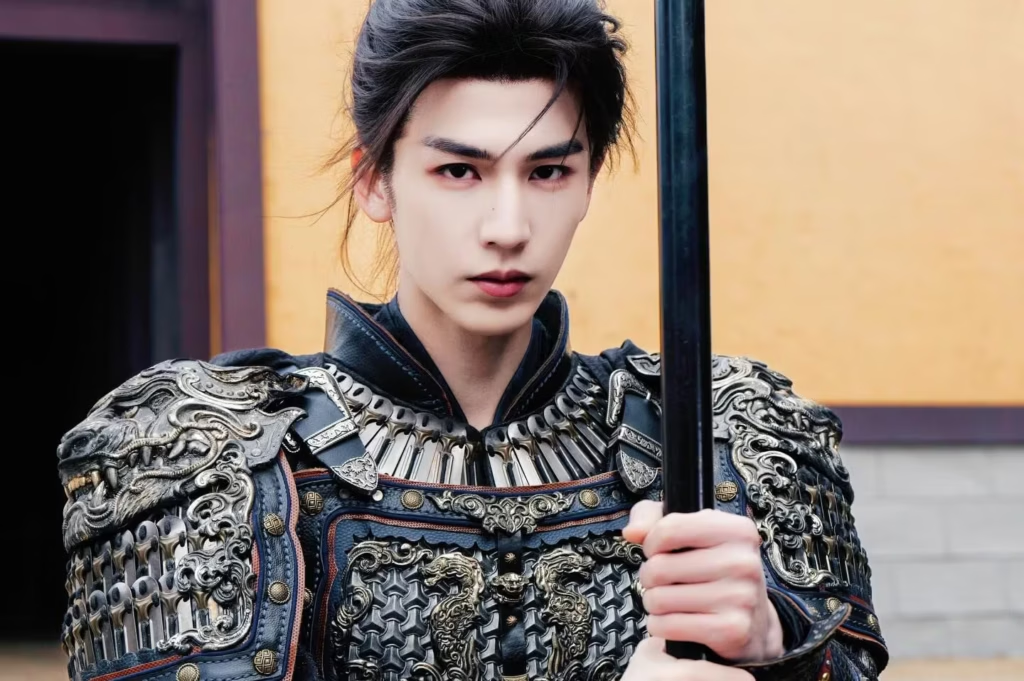
Naturally, international C-drama fans may have one small concern: What happens to xianxia? There are, after all, genres where looking impossibly beautiful is practically part of the job description. These characters are immortals, gods, demons, ancient warriors and fox spirits—people who have somehow cultivated for 40,000 years without developing a single forehead wrinkle. Nobody is asking for realism here.
If a man is going to descend from heaven carrying an enchanted sword while seven layers of silk dramatically float behind him despite the complete absence of wind, we would actually appreciate it if he looked spectacular doing it. If somebody is going to sacrifice herself, reincarnate 300 years later, lose her memory, regain her memory, discover she’s secretly a goddess and then cough blood beautifully into a silk handkerchief, there are certain aesthetic standards we have come to expect.
Fortunately, the guidance doesn’t suggest China intends to eliminate glamour, elaborate styling or attractive performers. The emphasis is on making those choices appropriate to the story and character. So the beautiful immortals may survive, and international C-drama audiences can collectively relax.
This Is Really About Changing How Dramas Get Made
Underneath the discussion about appearance is a much more serious business issue. China has spent years trying to reduce the influence of celebrity fandom and traffic metrics over its entertainment industry, including efforts to curb excessive fan spending, manipulated popularity rankings and an ecosystem in which enormous online fandoms can exert considerable influence over production and marketing decisions.
The latest guidance essentially asks producers to reverse the equation. Instead of starting with a popular star, securing investment around that star and eventually finding a story, regulators want productions to begin with the story and characters and then find actors appropriate for those roles.
It’s hardly a problem unique to China. Hollywood has spent decades building movies around bankable stars because recognizable names can reduce financial risk. Put Leonardo DiCaprio, Tom Cruise or another major star on a poster and the studio immediately has something it can market before audiences know whether the movie is any good.
China’s traffic-star system is a technologically accelerated version of that logic. Producers don’t simply have box-office histories and name recognition to consider; they can see enormous fandoms, engagement levels, trending power and promotional potential in real time. That makes popularity extraordinarily valuable—and extraordinarily difficult for investors to ignore.
The Government Also Has Ideas About What “Better” Means
The campaign isn’t purely about making television more entertaining. China’s entertainment industry operates within a regulatory environment that expects popular culture to serve broader cultural and social objectives, and recent NRTA initiatives have explicitly invoked Xi Jinping Thought on Culture, socialist core values and the promotion of Chinese cultural identity.
That makes the message more complicated than simply “hire better actors.” China wants stronger performances, stronger original storytelling and productions that rely less heavily on celebrity traffic, but regulators also want those stories to promote what the government considers positive social values and Chinese cultural confidence.
For American audiences, that distinction is important. Complaints about celebrity-driven casting, weak scripts and productions designed around marketability rather than creativity will sound familiar to anyone who follows Hollywood. The ideological component, however, belongs specifically to China’s tightly regulated media environment. Both objectives are operating at the same time.
Better Stories Could Make C-Dramas Stronger Globally
There is also a commercial reason this push could matter beyond China. C-dramas are increasingly international products, with streaming services making Chinese historical dramas, modern romances, wuxia and xianxia far more accessible throughout Southeast Asia, North America, Latin America and Europe.
International audiences also change the value of the traffic-star equation. A Chinese actor may have tens of millions of followers on domestic social platforms, but someone discovering their first C-drama on an international streaming service may have absolutely no idea who that actor is. The existing fandom can’t necessarily carry the production with those viewers.
For them, Episode 1 has to be good enough to get them to Episode 2.
That makes storytelling itself an export advantage. China already has enormous creative strengths: centuries of history and mythology to draw from, visually distinctive production design, elaborate costume traditions and an entertainment industry capable of producing sprawling fantasy and historical stories at a scale television audiences elsewhere rarely encounter. Stronger scripts, better characterization and casting based on suitability rather than traffic could make those advantages even more powerful internationally.
Story First, Pretty People Second
There is something refreshing about the central argument behind the new guidance. Casting someone because millions of people think they’re beautiful isn’t inherently bad. Sometimes millions of people are correct. Popularity matters, star power matters and visual appeal has been part of entertainment since humans first decided certain people should stand on a stage while everyone else watched.
But eventually somebody has to act.
China’s regulators appear to be telling producers that popularity can be an advantage, beauty can be an advantage and fandom can be an advantage, but none of them should replace the basic ingredients of television: characters audiences care about and stories they actually want to finish.
If that results in better C-dramas, international viewers will probably be very happy. We only have a few conditions.
Keep the gorgeous cinematography, elaborate costumes, flying swords and enormous palaces. Keep the 300-year misunderstandings that could have been solved with one conversation. Keep the characters dramatically coughing blood after using too much spiritual energy. And please keep the impossibly beautiful immortals whose hair remains perfectly conditioned after surviving three wars, two reincarnations and a battle with the Demon Lord.
We support artistic reform.
But there are limits.