

South Korea just completed one of the biggest criminal-justice overhauls in its modern history. Starting October 2, 2026, prosecutors will lose both their direct investigative authority and the ability to run supplementary investigations after police hand over a case. The Cabinet approved the revised Criminal Procedure Act on August 4. The change separates investigation from prosecution in a system that has concentrated both powers for more than seven decades.
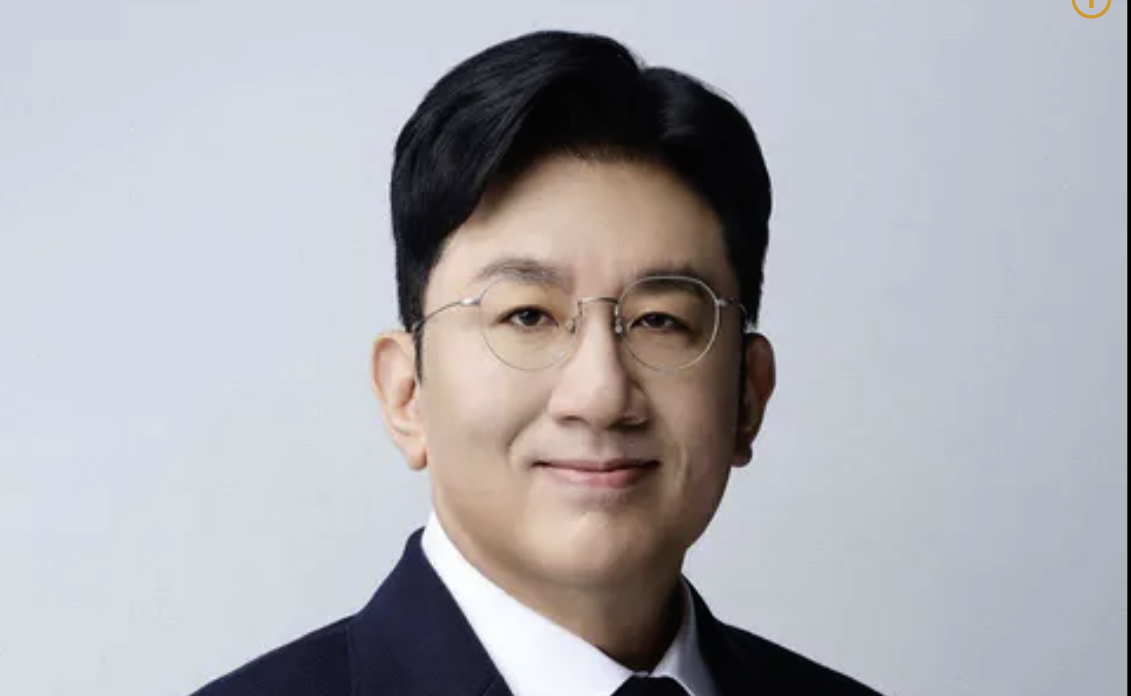
That abstract reform suddenly looks concrete when you look at Bang Si-hyuk.
What Korea Just Changed
Under the new structure, prosecutors focus on deciding whether to indict and then trying cases in court. Serious-crime investigations shift to a new Serious Crimes Investigation Agency, while regular police and specialized agencies keep their own investigative roles. Prosecutors can still request that police do more work, but they can no longer conduct or drive those supplementary investigations themselves the way they used to.
This is not a minor bureaucratic tweak. It is a deliberate unbundling of two functions that had long sat inside the same institution.
Bang Si-hyuk’s Case Shows Exactly What Is Disappearing
Bang, the HYBE founder and chairman, is under investigation over allegations that he misled existing investors ahead of the company’s IPO. Authorities claim he encouraged them to sell shares while knowing an IPO was already being prepared, then later received a share of the profits from the entities that bought those shares. Reported figures for the alleged gains have ranged from roughly ₩200 billion to ₩260 billion ($136 million to $179 million). Bang has denied wrongdoing and said the IPO process followed the rules.
The Seoul Southern District Prosecutors’ Office rejected it, citing insufficient evidence and demanding further investigation.
Police investigated more and tried again.
On May 7, prosecutors rejected the second request. Their stated reason: the specific areas they had previously asked to be examined still had not been sufficiently addressed.
That sequence is almost a textbook demonstration of the old relationship. Police said they had enough for a warrant. Prosecutors said no—investigate these points more carefully. Police came back. Prosecutors said the earlier instructions still had not been fully carried out.
Prosecutors were not simply waiting at the end of the process to decide on charges. They were functioning as an active checkpoint that could send the case back for more work.
That checkpoint is the power Korea is now removing.
Does This Mean Bang Si-hyuk Just Got Lucky?
The reform does not erase evidence already gathered. It does not cancel the Capital Markets Act allegations. It does not prevent police or the new Serious Crimes Investigation Agency from continuing the investigation. And it does not stop prosecutors from eventually indicting if a sufficiently supported case is referred to them.
The investigative function is being relocated, not abolished. What changes is the leverage prosecutors previously held over how thorough that investigation had to be before they would move forward.
After October 2, the principle becomes stricter: investigators investigate; prosecutors decide whether the file is ready for court. Supporters of the reform say this prevents any single institution from holding too much power. Critics worry that complex cases do not always divide that cleanly.
What Happens When Investigators Send an Incomplete Case?
Picture a dense securities file full of thousands of pages of financial records, contracts, and transaction histories. A prosecutor reviews it and spots a missing link between a particular deal and a particular company.
Under the old rules, prosecutors had tools to demand that gap be filled. Under the new model, their ability to drive that process themselves is supposed to disappear. They can request additional work from police, but the back-and-forth relationship that defined Bang’s warrant process is being deliberately weakened.
Financial-crime cases are exactly where this debate becomes sharp. These investigations often require repeated passes as new questions emerge from the documents. Bang’s case—alleged misleading statements around an IPO, private-equity arrangements, disclosure issues, and profits measured in hundreds of billions of won—is the kind of complicated matter where that iterative process has historically mattered.
Korea is not simply dumping everything on ordinary police officers. The new architecture includes the Serious Crimes Investigation Agency for major economic offenses, and specialized bodies such as the Financial Supervisory Service’s special judicial police already handle capital-markets work. The people investigating Bang are not about to vanish on October 2.
Bang’s Case Is Already in Motion
This is not a hypothetical probe that begins the day after the law takes effect. The investigation has been underway for a long time. Police have questioned Bang multiple times, sought detention twice, and worked alongside financial regulators. Prosecutors have already reviewed the evidence package twice and sent it back.
So the accurate framing is not “Korea abolished prosecutors’ investigative powers and potentially saved Bang Si-hyuk.” There is no evidence for that claim.
The sharper and more interesting version is this: Korea is abolishing the very prosecutorial power that has already shaped Bang Si-hyuk’s investigation twice.
Why This Particular Case Makes the Reform So Easy to Understand
Bang is not accused of a simple street crime. The allegations involve sophisticated securities transactions, investor communications, private agreements, and large sums of money. Those are precisely the kinds of cases where the old system’s investigative-prosecutorial feedback loop was most visible—and most contested.
For audiences who follow K-pop more closely than Korean criminal procedure, the double rejection of Bang’s arrest warrants offers a rare, concrete illustration of an abstract institutional fight. Police asked. Prosecutors said investigate more. Police came back. Prosecutors said still not enough. And the National Assembly has now passed legislation saying that starting October 2, prosecutors are no longer supposed to operate that way.
None of this tells us whether Bang is innocent or guilty. That question remains for investigators and, eventually, a court if charges are filed.
What it does show is why the reform debate matters. When prosecutors lose the ability to send investigators back for more work, what happens to complicated cases in which the charging authority believes the investigation is still incomplete? Bang Si-hyuk’s ongoing case is one of the clearest real-time examples available for understanding the stakes of that question.
