

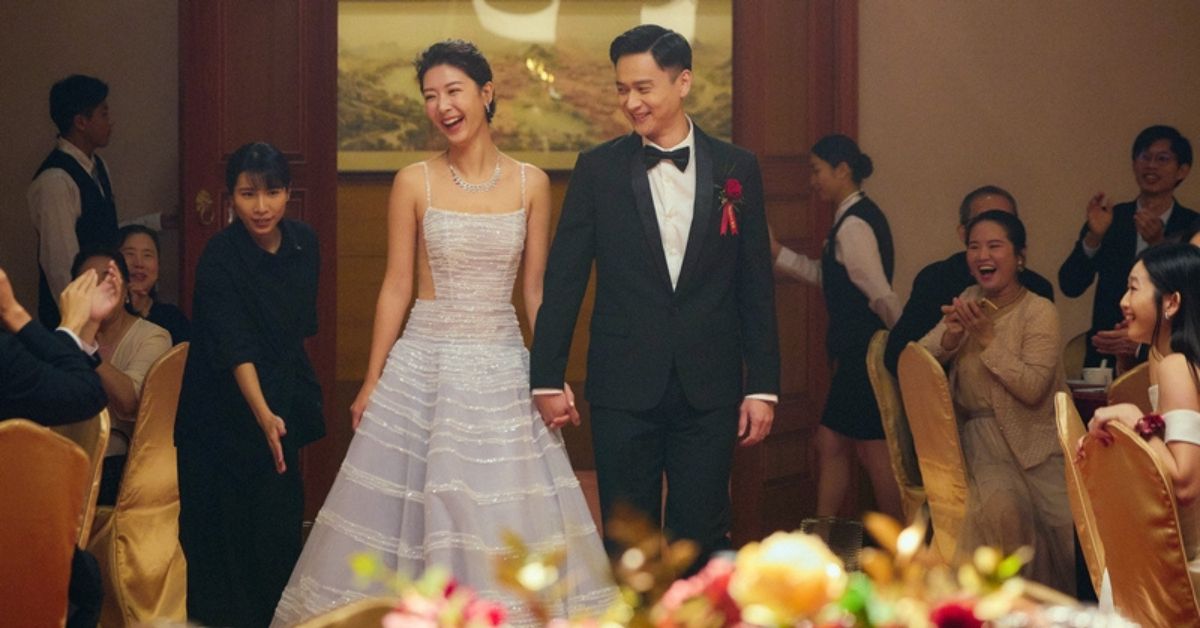
If you’re looking for a heartfelt and culturally sharp wedding comedy, Double Happiness (雙囍) delivers both laughs and emotional depth. Directed by Joseph Chen-Chieh Hsu, this 2025 Taiwanese hit follows a groom forced to host two simultaneous wedding banquets to keep his divorced parents apart—turning one wedding into a brilliantly staged comedy of errors rooted in East Asian family dynamics.
If you’re looking for a heartfelt, hilarious, and culturally resonant film that captures the beautiful chaos of modern Asian family life and weddings, Double Happiness (雙囍) is the movie for you, the 2025 Taiwanese comedy-drama directed by Joseph Chen-Chieh Hsu.
Summary
This clever gem follows Tim (played by the talented Liu Kuan-ting), a meticulous head chef at a luxurious five-star hotel in Taipei, as he prepares to marry his Hong Kong fiancée Daisy (Jennifer Yu Heung-ying).
The twist? Tim’s divorced parents—his dentist father Frank and successful CEO mother Carina—can’t stand each other and refuse to be in the same room. To keep the peace (and the wedding intact), the couple ingeniously orchestrates two simultaneous wedding banquets on different floors of the same hotel, with Tim ping-ponging between them in a high-stakes comedy of errors. What starts as a logistical nightmare spirals into escalating absurdity, heartfelt moments, and plenty of laughs as family tensions, traditions, and cross-cultural dynamics come to light.
The Cast
Liu Kuan-ting (known for his intense, award-winning roles in acclaimed Taiwanese dramas like A Sun and Old Fox) brings a grounded, high-strung energy to Tim, perfectly capturing the stress of a groom trying to hold everything together. His performance is intense and introspective, making the character’s quiet panic feel authentic and relatable.
Opposite him, Jennifer Yu (from Hong Kong films like In Broad Daylight and Sisterhood) shines as Daisy with a generous, spontaneous warmth—her emotional openness contrasts beautifully with Liu’s restraint, creating a charming on-screen chemistry that helps ground the farce in real affection. Supporting cast standouts include veteran actress Yang Kuei-mei (a legend from classics like Eat Drink Man Woman and Vive L’Amour) as the formidable mother, adding depth and gravitas to the family drama.




Why Double Happiness Resonates
The film’s brilliance lies in how precisely it reflects contemporary East Asian wedding culture—particularly within Taiwanese and Hong Kong cross-border families.
The title references the traditional Chinese “double happiness” symbol (囍), representing matrimonial joy. Here, it becomes literal: doubled banquets, doubled diplomacy, doubled emotional labor.
The screenplay navigates:
- Banquet-scale expectations
- Superstitions and symbolic rituals
- Divorce stigma in older generations
- Financial pressures
- The delicate art of “saving face”
There’s a lineage here. Thematically, it echoes The Wedding Banquet, directed by Ang Lee, particularly in its exploration of reconciliation, identity, and generational negotiation. But Double Happiness feels distinctly 2020s—hyper-aware of logistics, image management, and modern professional lives colliding with inherited expectations.
Critical Response
Critics have praised the film as an ingeniously staged comedy-drama, with strong reviews highlighting its tonal balance between absurdity and emotional sincerity.
What distinguishes it from generic wedding comedies is specificity. The cultural nuance isn’t decorative—it drives the plot. The chaos is funny because it’s recognizable.
For diaspora audiences especially, the film lands on a deeper frequency: the quiet compromises made to keep peace, the unspoken hierarchies within family gatherings, the emotional math behind every seating chart.
Highly recommended—perfect for a cozy movie night or sharing with friends who get the cultural nuances.
