


When most people think of New Year’s celebrations, they imagine fireworks lighting up the sky, loud parties, and confetti flying everywhere. But in Bali, the celebration of the new year takes a very different—and much quieter—turn.
Enter Nyepi, the Balinese Day of Silence. It’s a full 24-hour period when the island quite literally shuts down. No flights, no traffic, no lights, no noise. Just stillness. It’s not just about being quiet—it’s about spiritual renewal, self-reflection, and resetting for the year ahead.
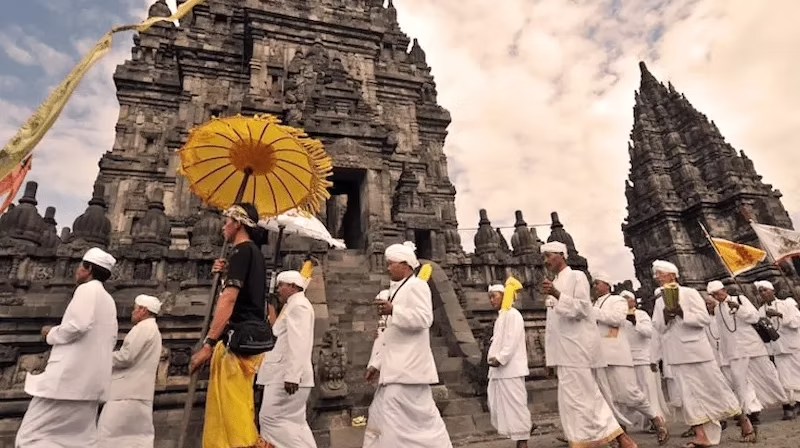
And believe it or not, this silence is part of a vibrant, multi-day celebration that’s rich in tradition.
A Six-Day Spiritual Journey
Nyepi is the centerpiece, but it’s just one part of a deeply spiritual week-long series of events. Let’s walk through each step.
Melasti Ritual (3–4 Days Before Nyepi)
The journey begins with Melasti, a purification ritual held by the sea. Villagers travel in colorful processions from their temples to the ocean, bringing sacred objects and offerings for cleansing.
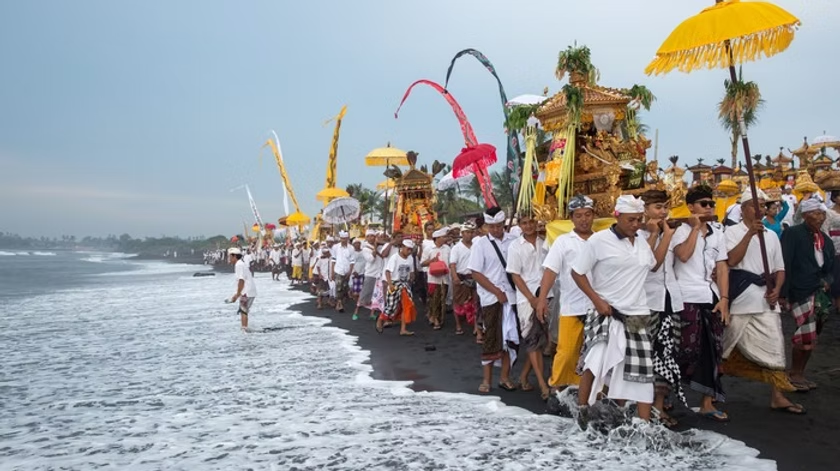
The goal? To purify both physical objects and the spiritual self. It’s a moving scene of devotion: prayers, vibrant ceremonial attire, and the sound of waves washing over sacred statues. The whole island joins in to symbolically wash away the previous year’s sins.


Ogoh-Ogoh Parade (The Night Before Nyepi)
Before the island goes completely silent, it gets loud—very loud.
On the eve of Nyepi, Bali holds the Ogoh-Ogoh parade, where giant, demonic effigies made from papier-mâché are carried through the streets.
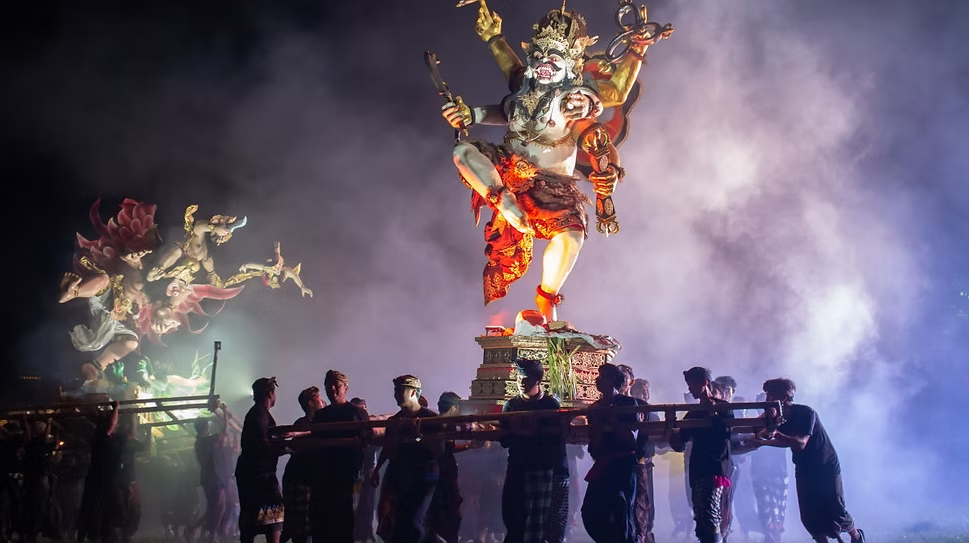
These grotesque, often humorous monsters represent evil spirits. The parade is full of fire, drums, music, and laughter.
At the end of the night, these effigies are burned in a dramatic finale, symbolizing the banishment of negative forces before the new year begins. If you’re visiting, top spots to catch the parade include Kuta, Seminyak, and Ubud—and yes, it’s very Instagram-worthy.
Nyepi: The Day of Silence
(March 29, 2025, 6:00 AM to March 30, 2025, 6:00 AM)
And then—silence.
For 24 hours, the island of Bali goes completely still. This is Nyepi, the Day of Silence. No one is allowed outside. Airports close. Roads are empty. Even internet access and lights are restricted in some places. It’s a full spiritual shutdown.
Balinese Hindus spend the day meditating, fasting, and reflecting. Tourists are expected to stay indoors and respect the rules. It might feel strange at first—but for many, it becomes a deeply calming and rejuvenating experience. If you’re looking for a true digital detox, this is it.
Ngembak Geni: Reconnection and Renewal
The day after Nyepi, the island comes alive again with Ngembak Geni, the day of forgiveness and fresh starts.
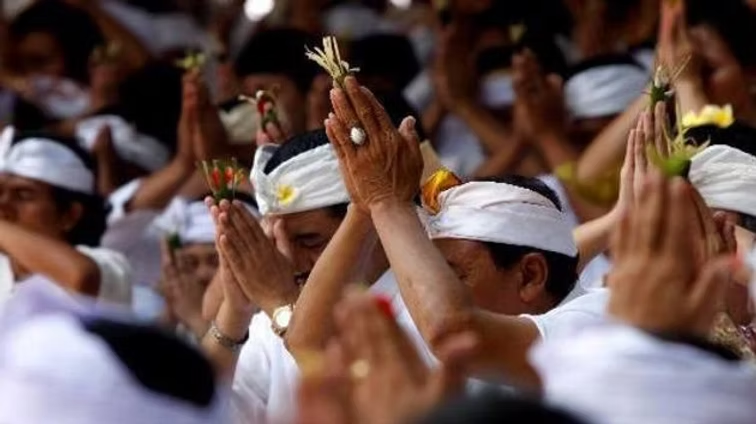
Families and friends visit one another to ask for forgiveness and reconnect. In some villages, especially in Denpasar, you might witness the playful tradition of Omed-Omedan—a cheeky kissing ritual among young people. It’s a joyful, lighthearted contrast to the previous day’s stillness.

The Myth Behind the Silence: Batara Kala
Nyepi isn’t just tradition—it’s tied to Balinese mythology. The rituals, especially the Ogoh-Ogoh parade, aim to appease Batara Kala, the god of destruction and time.
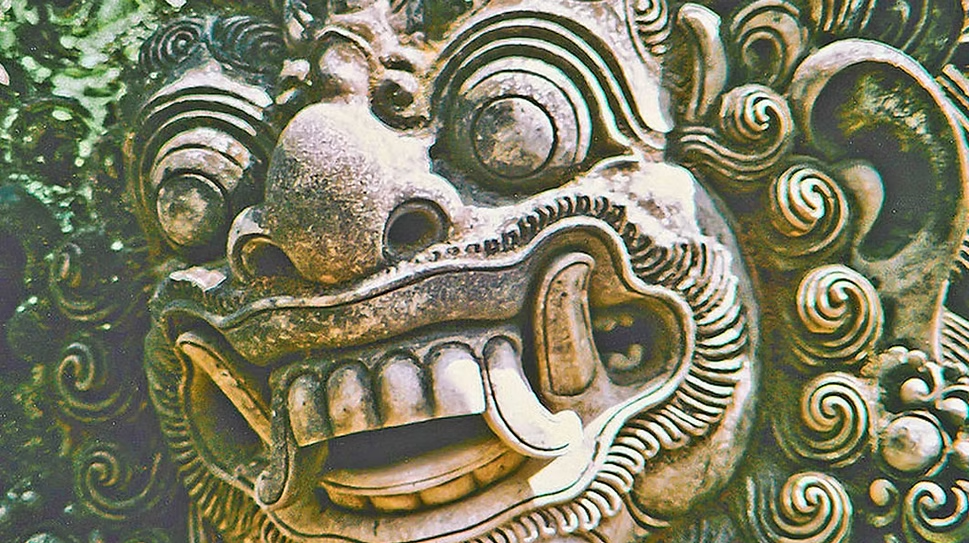
Balinese Hindus believe that silence tricks evil spirits into thinking the island is deserted, prompting them to leave. It’s a symbolic act of renewal, protecting the island from misfortune in the coming year.
When Is Nyepi Celebrated?
Because Nyepi follows the Balinese Caka Calendar, the date changes every year. Here are the upcoming dates:
- Nyepi 2025: March 29
- Nyepi 2026: March 19
- Nyepi 2027: March 8
- Nyepi 2028: March 26
A New Year Unlike Any Other
Nyepi is not your typical New Year’s celebration. There are no countdowns, no fireworks, and no champagne. Instead, there is peace, stillness, and spiritual clarity.
If you ever find yourself in Bali during Nyepi, embrace the quiet. It’s a rare chance to reset—not just for the island, but for yourself. And when the silence lifts, and the island bursts back to life, the new year feels a little lighter, a little clearer, and a lot more meaningful.
