

Originally published: March 2, 2024
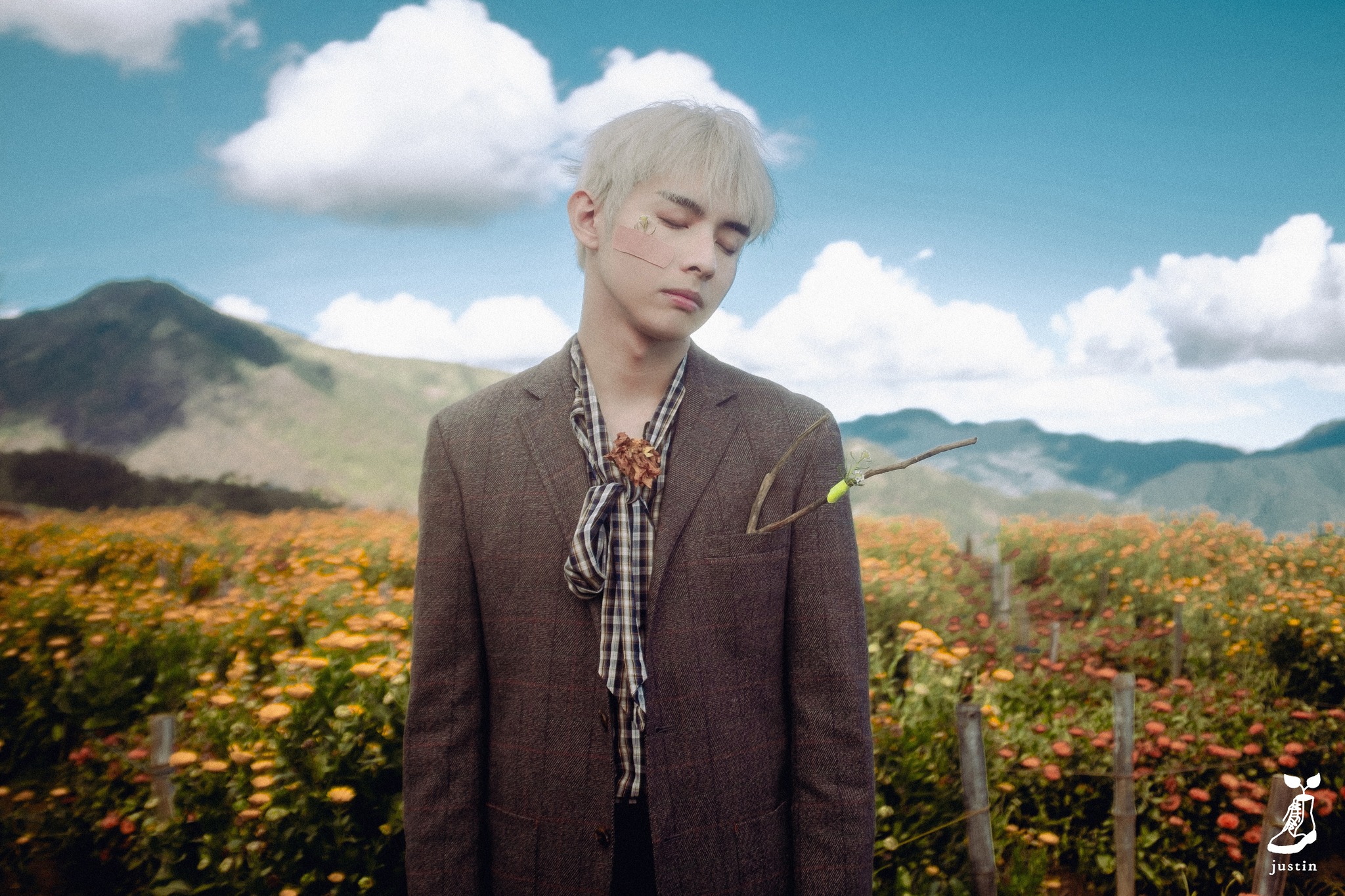
Justin’s Surreal music video is disarming in the best way. It doesn’t lean on grand illusions or Christopher Nolan-style timelines; its twist comes from something quieter and far more unsettling—a slow drift into a psychosis-tinged dreamscape you don’t immediately recognize as dangerous.
That level of narrative control shouldn’t be surprising coming from Justin. The man graduated with honors from one of the Philippines’ top universities. Of course he has a mind built for visual cohesion and psychological detail. Still, Surreal feels like a declaration—one that says: Pay attention. I’m operating on a different wavelength.
The MV is beautiful, but beneath the sheen is a story about longing, escape, and the unnerving seduction of a world created entirely inside one’s mind. These five moments open that door.
1. The Opening Feels Like Disney—Until It Doesn’t
Surreal begins like it’s preparing to audition for a Disney cinematic montage. The instrumentation has a xylophone-like brightness, and Justin’s delivery carries a fragile softness—careful, measured, almost sheltered. The line “I just want to live in my imagination where hatred does not exist” sets the tone as something pure.
It evokes the kind of whimsical world where Cinderella might twirl into the frame, hands brushing against glowing dandelions. There’s comfort in that tone, the kind you only reach in your safest spaces. Later, the MV will reveal why that comfort matters—and why it’s more fragile than it seems.
2. The Line That Breaks the Spell
The shift arrives quietly.
“Like it’s real, so real.”
He drops lower in his register. The instrumental thins out. The last word drags with a kind of hesitant weight. It’s subtle, but it’s the first tear in the glossy surface.
In that moment, the song stops sounding like innocence and begins sounding like a plea. The tone pivots from fairytale softness to something more wounded. The sweetness suddenly carries shadows. Whether he intended the line as a turning point or not, that’s how it lands—an early hint that the imagination we’re seeing isn’t just a safe retreat. It’s becoming a constructed reality.
3. The Beauty of His Delusions
Justin’s visual imagination takes center stage through extraordinary transitions: flowers blooming from shoes, snowflakes morphing into leaves, an entire world changing states as if responding to his breath.
At first glance, it looks like artistic embellishment—the kind of aesthetic richness meant to keep viewers engaged. But placed in the psychological frame established earlier, these visuals become something else entirely.
They’re not just images.
They’re the architecture of his delusion.
This isn’t passive imagination. It’s a controlled environment he’s actively shaping, one he wants to pull you into. The beauty is intentional because beauty keeps you there. It’s comforting, it’s enchanting, and it’s a trap crafted with care.
4. Why Sadness Becomes Beautiful
There’s a truth many won’t admit: for some, sadness feels safer than joy. It can be glamorous, soothing, or even satisfying. It invites comfort from others. It creates excuses for escape. It opens the door to a world where loneliness is softened by the fantasy of being understood.
Justin brings that sensation alive.
Halfway through the MV, the emotional texture deepens. The longing becomes clearer—and strangely inviting. His imagery sits somewhere between melancholy and wonder, creating that soft, warm ache that makes sadness feel manageable, even desirable.
Through the MV’s visual language, you understand the gravitational pull of sorrow: it gives you a place to run to. A controlled second life. A world where you’re allowed to want something that’s entirely out of reach.
5. The Rewind—The Moment Reality Fights Back
When the rewind hits, the tone fractures. Something isn’t aligning. The MV snaps back, tearing through its own timeline, as if he’s being dragged out of his imagined space against his will.
And then comes the part that elevates the entire narrative:
He doesn’t just return to the fantasy—he adds someone to it.
That’s where longing turns into delusion.
That’s where a beautiful escape becomes a closed-loop world he refuses to leave alone.
It’s a quiet kind of psychological horror, masked beneath soft colors and dreamlike imagery. And it’s crafted with the precision of someone who understands how delicate the boundary is between imagination and obsession.
That’s our bunso.
A Strong Debut—and a Warning Shot
As a first single, Surreal works on two completely different levels.
For casual listeners, it’s a light-toned track dressed in charming visuals.
For anyone who looks a little closer, it’s a layered study of longing, delusion, and emotional self-protection.
Justin shows exactly how far he can go as a storyteller. The MV doesn’t shout its complexity; it lets you find it. And once you see what he’s capable of building in his first outing, you start wondering what he can do when he decides to go even deeper.
Whatever direction he chooses next, this MV makes one thing clear:
Justin’s creative ceiling is a lot higher than people realize, and he’s only just begun to tap into it.
I can’t wait for more.
