

Scroll through social media long enough and you’ll see the same mantra repeated in a thousand different forms: pursue your happiness. Someone’s quitting their job to sell pottery, someone else is vlogging van life, another is opening a candle shop that smells like nostalgia. Passion is romanticized as the key to fulfillment.
The problem with happiness is that it is fleeting. It’s more like a highlight reel than a way of life. Passion feels exciting when it’s shiny and new, but the thrill wears off once the reality of bills, effort, and unmet expectations sets in. Life is not a TikTok loop of perfect moments — it’s a blooper reel of trying, failing, learning, and occasionally succeeding.
What actually sustains us isn’t the pursuit of happiness, but the pursuit of purpose. Purpose is steadier. It’s the partner that remembers your coffee order, not the one who forgets your birthday. And purpose is what anchors us when happiness inevitably slips away.
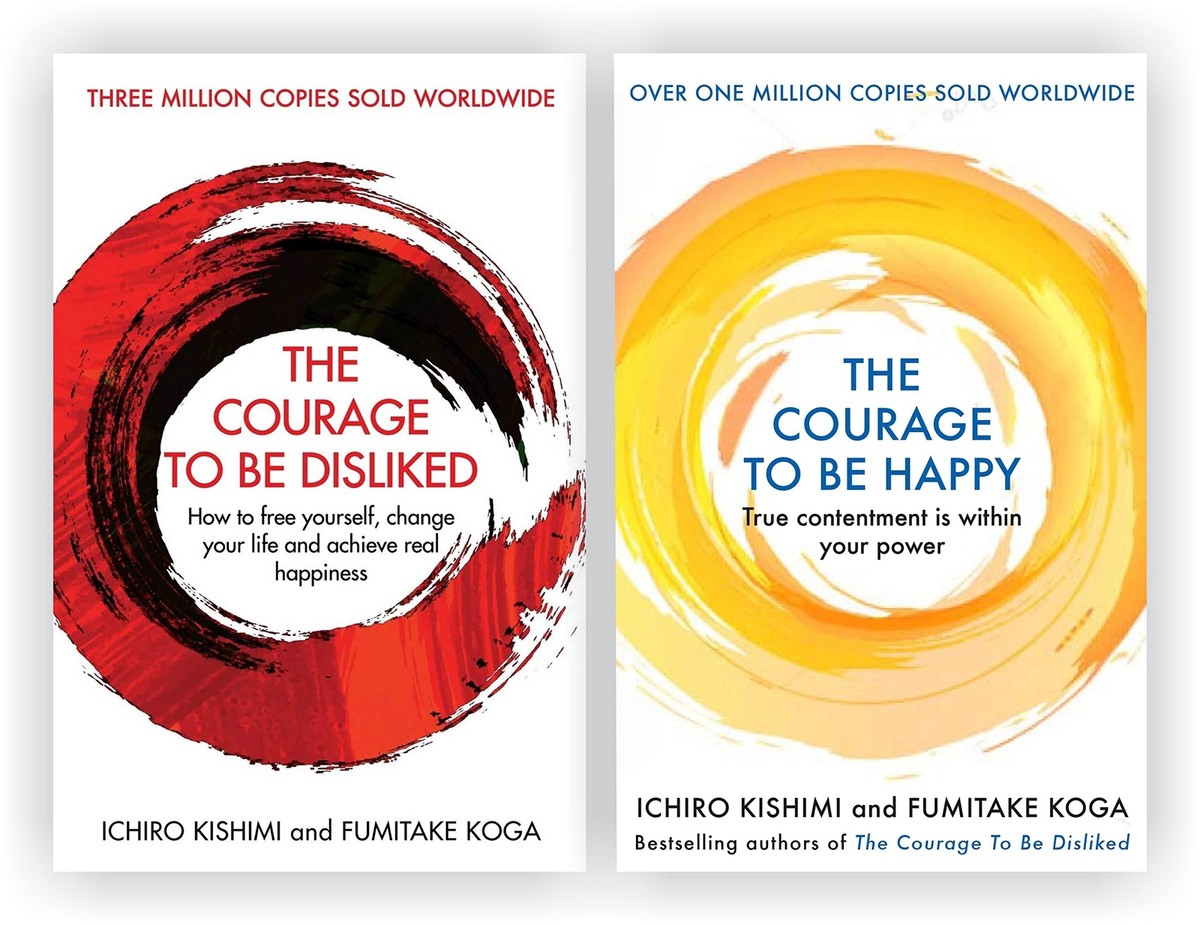
The book, the Courage To Be Disliked by Ichiro Kishimi and Fumitake Koga drives home this point. Let’s go through major points.
Purpose Over Recognition
This is the central argument of The Courage to Be Disliked by Ichiro Kishimi and Fumitake Koga — a book so challenging it often feels like a personal deconstruction. Against the grain of social media culture, the authors argue that the goal of life is not to be admired, validated, or liked. Instead, it is to contribute.
Contribution, they write, doesn’t have to be dramatic or heroic. It can be as simple as babysitting for a neighbor who can’t afford childcare, or holding the elevator for someone who is clearly about to give up. These acts may never be noticed, but they matter. In fact, the moment you stop needing recognition for them, you begin to experience the quiet reward of simply knowing you’ve contributed.

Self-Recognition vs. External Validation
One of the book’s most radical points is that self-recognition is paramount. If you know you’ve made a contribution, then what others say — good or bad — is irrelevant. Whether someone praises you or spreads rumors about you is none of your business. The work of living is not about curating external approval but about building the confidence to know for yourself that your life adds value.
It’s a stark contrast to the performative nature of social media, where good deeds, career shifts, or “life pivots” are broadcast like auditions for validation. The Courage to Be Disliked insists the real test is whether you can live with your choices without needing an audience.
Responsibility vs. Trauma
One of the most controversial arguments in The Courage to Be Disliked is its treatment of trauma. The book doesn’t deny that trauma exists or that it can be life-altering. But it insists on this: once a traumatic event is over, it is over. What comes after is your responsibility. If you choose not to trust again after betrayal, that choice is yours — not the betrayal’s. If you let past experiences dictate your present, you are still the one making the decision to live that way.
This runs directly against the grain of our current cultural narrative, especially online. On social media, trauma has almost become a permanent identity marker. People are encouraged to trace every flaw, every failure, every hesitation back to childhood, to parents, to school, to past relationships. It’s not just explanation — it becomes justification.
In many ways, this mindset owes more to Freud than to lived reality. Freud’s model framed the present as determined by the unconscious scars of the past — the idea that what happened before inevitably dictates who we are now. The Adlerian psychology behind The Courage to Be Disliked flatly rejects this determinism. You are not a prisoner of your past. You are an agent of your present.
This shift is uncomfortable because it removes the shield of blame. It forces you to ask: if I’m not defined by what was done to me, then what am I choosing now? It’s a radical accountability that contradicts much of the self-narration rewarded in the algorithmic age — where trauma stories trend, and pain packaged neatly into content can even become a form of social capital.
But it’s also liberating. To say “it is over” is not to trivialize suffering; it’s to refuse to let suffering script the rest of your life.
Peace, Not Happiness
Where the book aligns most with real-world experience is in its redefinition of the ultimate goal. It claims that peace, not happiness, should be what we seek. Happiness is transient, dependent on conditions and moods. Peace, however, comes from knowing you have contributed something meaningful, whether or not anyone ever knows about it.
And that’s the irony: happiness often sneaks in as a byproduct of living with purpose. You may be exhausted, doing something ordinary or even difficult, but because it matters, you find yourself content. Peace sticks; happiness tags along.
Stop Chasing Happiness
The obsession with chasing happiness — quitting jobs, chasing highlight reels, or designing a life that looks good online — is a cultural distraction. The Courage to Be Disliked offers an antidote: stop curating, start contributing. Happiness isn’t the prize at the end of the pursuit. It’s the side effect of building a life of purpose.
The book is not comfortable reading, nor is it meant to be. It challenges assumptions about validation, responsibility, and trauma, and it demands that readers take ownership of the lives they are living now. But that is precisely why it endures. It is not a manual for chasing happiness; it is a call to cultivate peace by making your contribution — quietly, consistently, without needing the world’s applause.
