

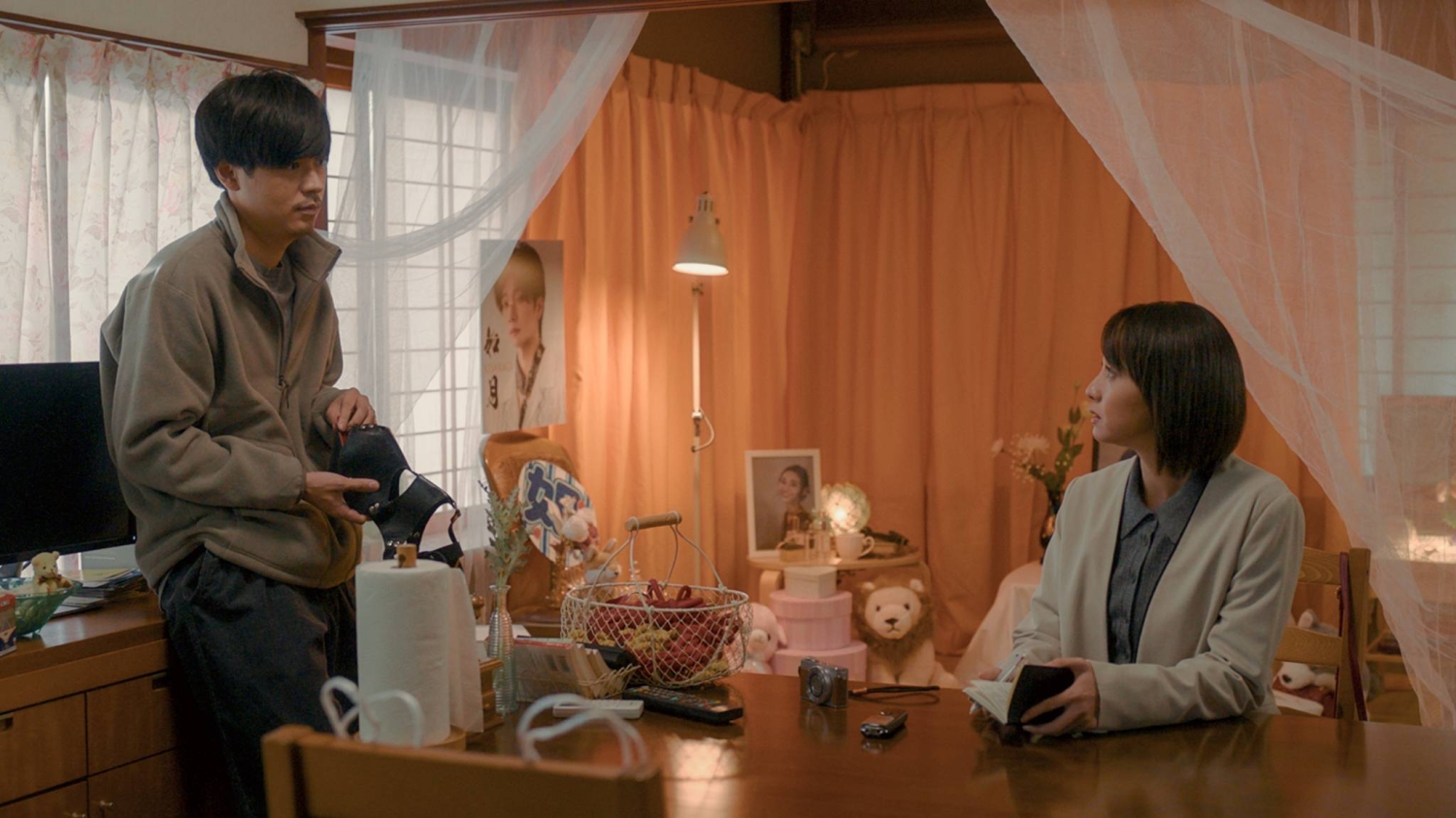
If you’re in the mood for a movie that dissects how fast the internet can turn grief into outrage and ordinary people into unwitting influencers, add #Viral (2026) to your watchlist. Directed by King Bai, this bold Japanese drama arrives as one of the more daring post-COVID reflections on social media manipulation, anti-vax sentiment, and the seductive trap of viral fame.
The Story
At the center is a tech-averse care worker (played by Ryo Narita) whose wife dies suddenly from a heart attack the day after receiving a routine COVID-19 vaccine. Devastated and convinced the jab is to blame, he starts posting raw, emotional videos online. What begins as a grieving husband’s cry for answers quickly spirals: his content catches fire, algorithms amplify it, and he becomes an accidental anti-vax influencer. As his audience grows, so does the pressure to feed the machine—more extreme claims, more outrage, more followers. The film frames this rise as a contemporary Faustian bargain: he gains visibility, validation, and even a twisted sense of purpose, but at the cost of truth, relationships, and his own moral compass. Bad actors in the background exploit his pain, turning personal tragedy into a weaponized narrative.
Why It’s a Must-Watch
#Viral is timely without feeling dated. It doesn’t preach or caricature; instead, it shows—quietly, uncomfortably—how ordinary people can get swept into misinformation ecosystems, how grief can be hijacked, and how the promise of “going viral” warps judgment. The anti-vax movement is portrayed not as cartoon villains but as a real social force fueled by distrust, loss, and algorithmic incentives. Bai’s willingness to risk controversy (especially in depicting vaccine skepticism so directly) gives the film an edge that feels honest rather than sensational. It’s less about assigning blame and more about examining the machinery behind outrage culture.
Visually, it’s restrained but effective: handheld intimacy for personal moments, colder digital framing for the online world. Performances are grounded—Ryo Narita brings quiet desperation that makes the character’s descent believable, while Erika Sawajiri (in a supporting role) adds emotional weight.
Cast & Director
- Director: King Bai — a filmmaker known for taking risks with contemporary social issues. His previous works have leaned into bold, sometimes divisive themes, and #Viral continues that tradition.
- Lead: Ryo Narita as the grieving husband-turned-influencer — delivers a performance that’s raw and restrained, making the character’s radicalization feel tragically plausible.
- Supporting: Erika Sawajiri in a key role that grounds the emotional core.
Achievements & Reception
Premiered to mixed but respectful reviews in early 2026, with praise for its unflinching look at online discourse manipulation and the lingering trauma of the pandemic era. Critics have called it “admirable in its risk-taking” even when noting it arrives slightly late to the “internet fame satire” wave (after films like #Manhole and #Mito). It’s not a crowd-pleaser, but it’s a conversation-starter—perfect for viewers who want cinema that provokes thought rather than easy answers.
Where to Watch
As of March 2026, #Viral is rolling out on Japanese streaming platforms (check U-NEXT, dTV, or Hulu Japan for availability). International release details are still emerging—keep an eye on festival circuits, MUBI, or niche arthouse streamers for subtitled versions. If it hasn’t hit your region yet, festival screenings or VOD drops are likely soon.
#Viral isn’t light viewing, but it’s smart, unsettling, and very much of its moment. It asks hard questions about how we process loss online, who profits from our pain, and what we’re willing to trade for a moment in the spotlight. If you’re ready for a drama that lingers long after the credits roll, this one’s worth seeking out.
