

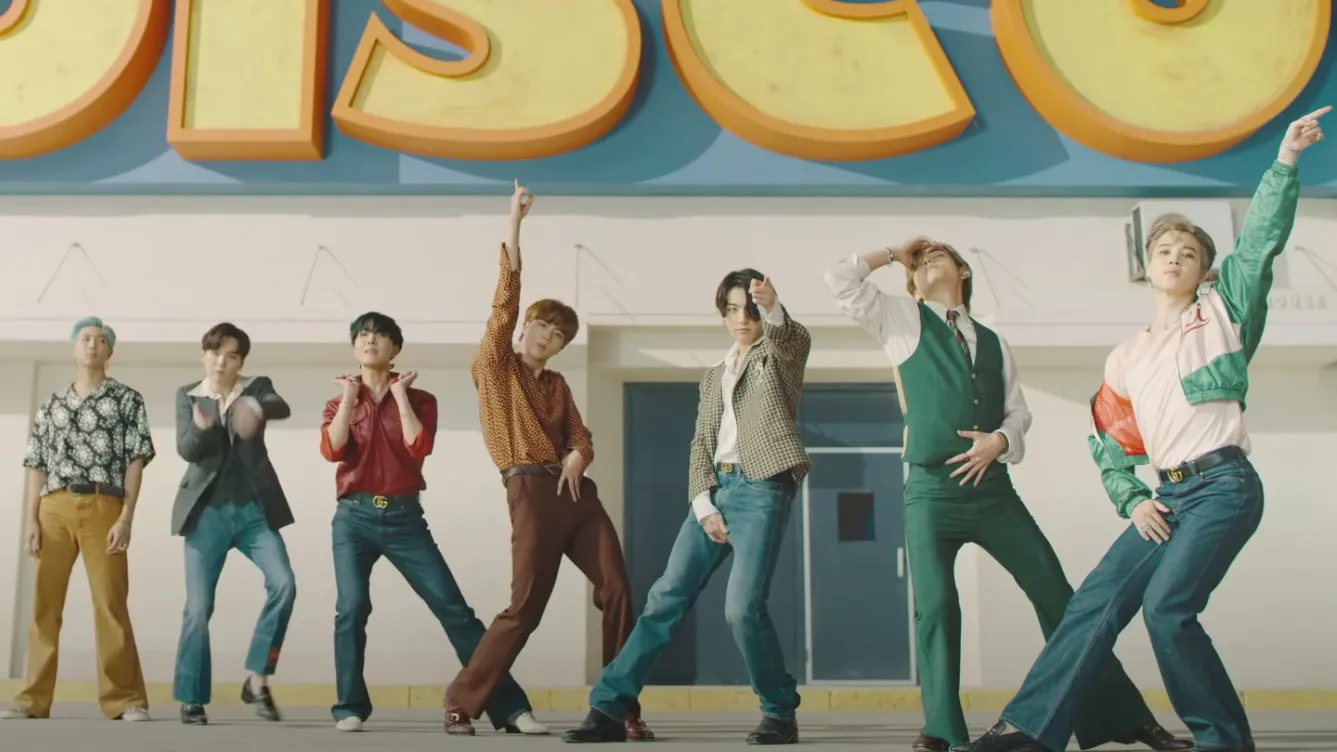
Even without releasing a new album or single in over two years, BTS and their devoted fandom, ARMY, continue to shatter milestones. Their global smash “Dynamite” has now surpassed 2 billion views on YouTube, making it the first song by an Asian act to cross the 2-billion mark on both YouTube and Spotify. It also holds the historic title of being the group’s first single to debut at No. 1 on the Billboard Hot 100.
But the impact of “Dynamite” reaches far beyond music charts and streaming platforms. Its significance isn’t just cultural — it’s economic. The song became an engine for recovery, generating jobs, boosting exports, and elevating the country’s global image when it needed it most.
On Sept. 7, South Korea’s Ministry of Culture, Sports and Tourism (MCST) and the Korea Culture & Tourism Institute (KCTI) released a report on the economic impact of BTS’s hit song “Dynamite.”
Using data from Big Hit Entertainment’s sales, the Bank of Korea’s input-output tables, customs statistics, and even Google search trends, they estimated that “Dynamite” generated an economic ripple effect worth 1.7 trillion won (about US$1.4 billion).


Breakdown of the Impact
- Direct sales: 245.7 billion won (US$206.8 million)
- Boost in related exports (cosmetics, food, clothing, etc.): 371.7 billion won (US$312.7 million)
- Production ripple effect: 1.23 trillion won (US$1.03 billion)
- Value-added effect: 480.1 billion won (US$403.9 million)
- Jobs created: 7,928
The report clarified that these figures did not include tourism, since travel was restricted during the COVID-19 pandemic. If BTS’s impact on national branding and global image were factored in, the economic benefits would be even larger.
This success ties into the broader rise of Korea’s cultural influence worldwide. In fact, on Sept. 2, the UN-affiliated World Intellectual Property Organization (WIPO) ranked South Korea 10th in the 2020 Global Innovation Index—a jump fueled in part by Korean cultural exports like BTS and the film Parasite.
