

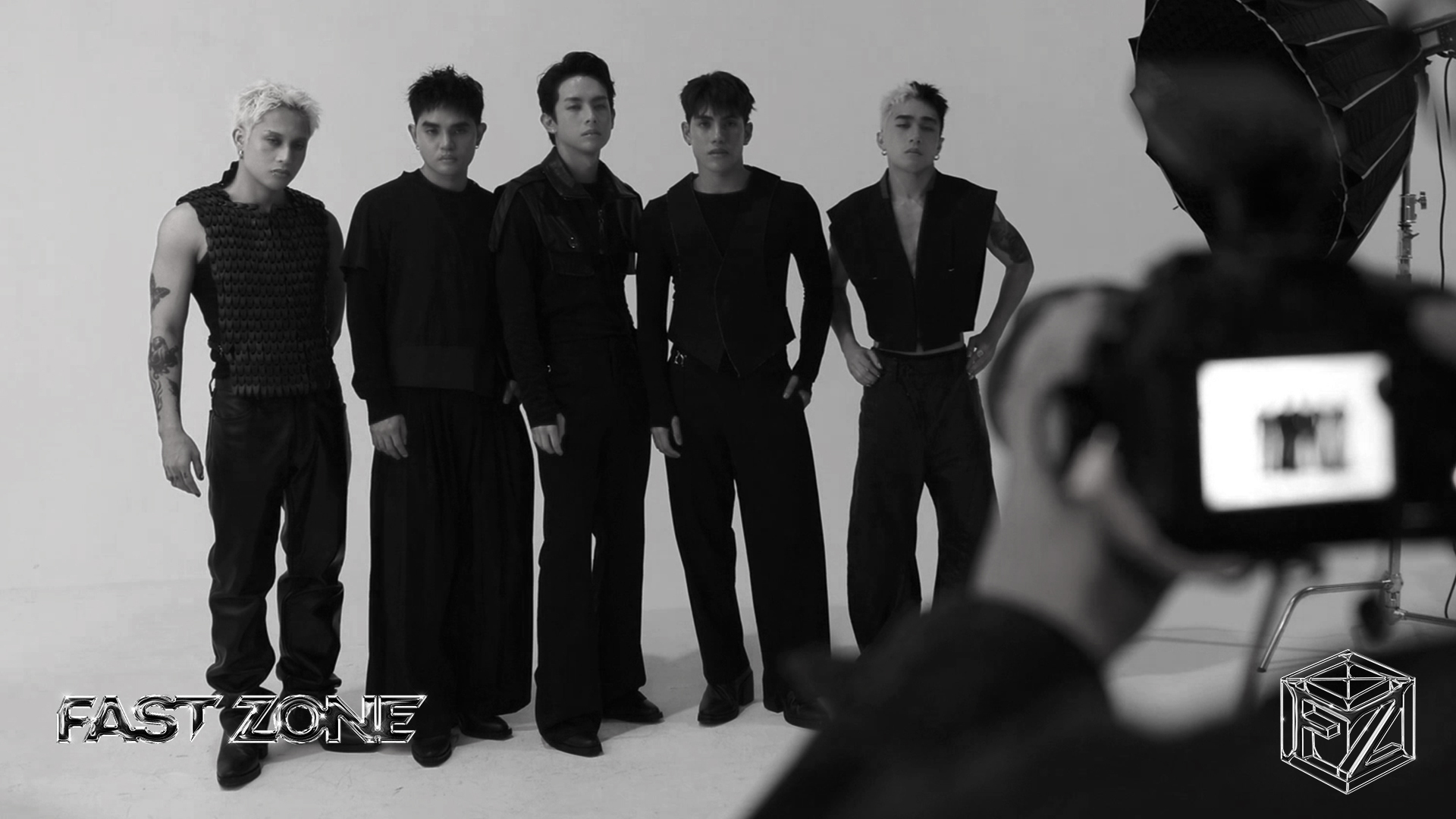
SB19 just dropped the ultimate flex: a collab with Jolin Tsai on “Emoji,” the lead single from their career-capping (and career-launching) album Wakas At Simula. The track is already exploding—hitting nightclubs in China, sparking global dance challenges, and proving once again that when two envelope-pushing forces from different corners of Asian pop connect, the whole scene levels up. But this isn’t just a cool crossover. It’s smart business, creative symmetry, and the perfect soundtrack to SB19’s next chapter. Let’s unpack why this pairing makes total sense—and why it’s bigger than one song.
Market Magic: Each Side Cracks Open the Other’s World
Jolin Tsai is the undisputed Queen of C-Pop—Taiwanese icon with decades of dominance across Mandarin-speaking Asia. SB19 are the kings of P-Pop, the Filipino group that turned “Pinoy Pop” from niche to global conversation piece.
Teaming up lets each tap directly into the other’s fanbase: SB19 gets massive exposure in China, Taiwan, and the broader C-Pop ecosystem (where “Emoji” is already trending hard and getting club play), while Jolin rides the rising wave of Southeast Asian pop into new territories. It’s not forced—it’s strategic expansion done right.
Creatively, they’re cut from the same cloth. Both thrive on daring moves that feel risky in the moment but end up becoming the new blueprint.


Jolin Tsai: The Queen Who Keeps Redefining the Throne
Jolin didn’t get to “Queen” status by playing it safe. She debuted in the late ’90s as a fresh-faced pop princess, but instead of coasting, she reinvented herself album after album. Think Agent J—that over-the-top spy flick tie-in with pole dancing, car chases, and boundary-pushing visuals that got banned in places but still became a cultural moment. She leaned hard into dance-pop and performance art on records like Butterfly, making choreography as central as the hooks.
Later came Pleasure, a full electronic pivot that had people calling it “un-pop” at first… until it raised the bar for Mandopop production and visuals industry-wide. Even her recent Pleasure tour drew “cult event” chatter for its dark, theatrical elements—yet state media and fans defended it as artistic brilliance. Jolin bets on bold concepts, sensual maturity, and deeper messaging every era, and the industry eventually copies the formula. That’s why she’s not just popular—she’s transformative.
SB19: The Independent Trailblazers Who Built P-Pop’s Global Roadmap
SB19 didn’t inherit their throne either. They trained under the old system, then took the huge risk of going fully independent—forming 1Z Entertainment to self-manage, self-produce, handle marketing, finances, everything. Most groups would’ve crumbled. SB19 turned it into a masterclass: writing their own music, choreographing their own moves, and pushing P-pop onto global stages without a major-label safety net.
They pioneered the “P-pop to the world” narrative, evolving their sound across languages and genres while staying rooted in Filipino identity. That independence scared traditional labels because it proved a self-managed Southeast Asian act could scale internationally. Now? Newer P-pop groups study their model. Their ethical stance on AI in music (leader Pablo speaking out against unauthorized use) adds another layer of forward-thinking credibility. Risky? Absolutely. Industry-changing? Let’s check the charts.
The album debuted at #3 on the Worldwide iTunes Album chart as the highest new entry, and #7 on the European iTunes Album chart. It hit #1 in 16 countries, including Australia, Brazil, Canada, Italy, and the Philippines, while also reaching #9 on US iTunes.
Nine tracks from the album charted on Worldwide iTunes, including multiple versions of Emoji, signaling both reach and replay value across different markets.
On the artist side, SB19 entered the Top 60 of the Global Digital Artist Rank, currently sitting at #77—a sign that their footprint is no longer regional.
Both artists share that rare combo: they dare first, execute at the highest level, and watch everyone else follow.
Weverse Move: SB19 Steps Into the Global Fandom Superhighway
Fresh off the collab buzz, SB19’s decision to join Weverse (HYBE’s global fandom platform) is another calculated power play—and a massive one for P-pop. They’re among the first Filipino acts there (alongside BINI), plugging straight into a system built for deep fan connection.
Think exclusive livestreams, unreleased content, direct artist-to-fan posts, and—crucially—the Weverse Shop for worldwide merch sales. Weverse already has millions of highly engaged, spending fans (the kind who stream, buy albums, and show up). For SB19, it’s instant exposure to K-pop-adjacent audiences who love polished pop and loyal community vibes.
Their community hit 70k members almost overnight and is still climbing. It’s not just marketing—it’s building a borderless A’TIN.
Wakas At Simula: Six Years of Growth, One Album That Signals the Future
Wakas At Simula—literally “End and Beginning”—does exactly what the title suggests.
It wraps up the group’s first six years without feeling like a conclusion.
There’s a sense of reflection in the project—callbacks, refinement, a clearer understanding of what their identity actually is. But at the same time, it opens the door to something else.
The Jolin collaboration.
The Weverse move.
The album performance.
They all point in the same direction.
SB19 isn’t just growing within their existing audience. They’re placing themselves in positions where growth can compound—across markets, across platforms, across formats.
And they’re doing it without flattening their identity to fit any one system.
That’s the harder path.
But it’s also the one that tends to last.
