

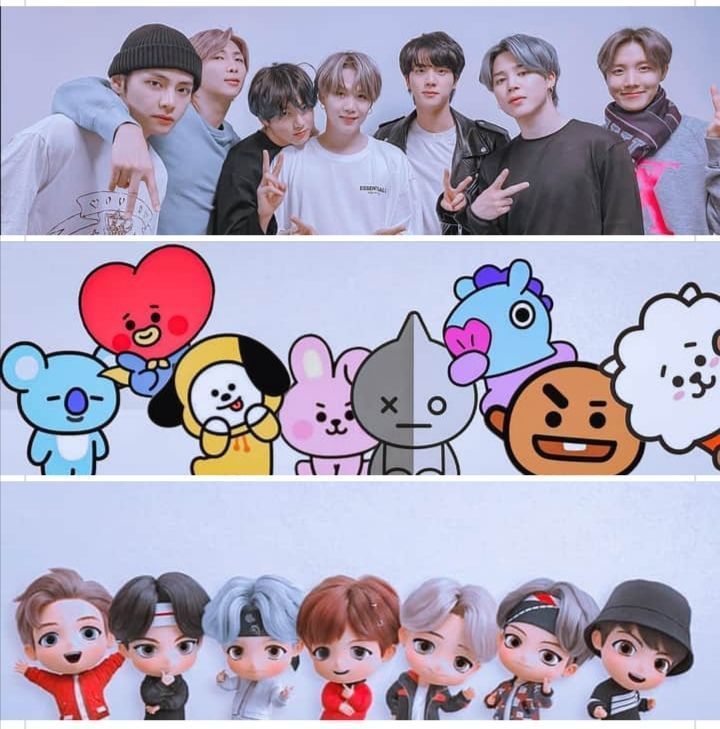
When people talk about BTS, they often talk about music, performance, and influence. But what’s often overlooked is the structure behind their success — how BigHit and BTS developed an intellectual property strategy that is rare even among global artists.
Understanding how this works explains not just why BTS continues to dominate, but how they’ve built one of the most sophisticated creative business models in entertainment.
DOES BTS EARN FROM BEGINS YOUTH?
Yes. Any work derived from what BTS originally created will benefit them. The extent of that benefit depends on their contracts and revenue-sharing agreements.
When Xclusive obtained the rights to stream Begins Youth, BTS and BigHit could have received a fixed amount, streaming royalties, or a combination of both. It’s also possible that Xclusive paid an upfront fee, with additional shares coming in once the platform recovered its investment. The exact details aren’t public, but what’s clear is that the project remains part of BTS’s creative ecosystem — and that translates into long-term profit for them.
WHY DID BIGHIT RELEASE IT ON XCLUSIVE INSTEAD OF FREE TV OR WEVERSE?
Because Begins Youth was produced by BigHit, the company likely offered it to several streaming platforms first. The fact that it landed on Xclusive — instead of WeVerse or a larger global platform — suggests there was something more beneficial in this arrangement.
HYBE doesn’t appear to own FingerLabs, the parent company of Xclusive. This means Xclusive may have bought the streaming rights outright or entered into a partnership with revenue sharing or data collaboration. That setup could give BigHit access to both upfront profit and user data — two things traditional streaming doesn’t usually provide.
This arrangement likely had a strategic purpose beyond money: it allows HYBE to explore how a blockchain-integrated platform handles engagement, content tracking, and user experience.
BTS and BigHit didn’t stop at music; they built an ecosystem where every lyric, animation, and web series functions as a business model.
XCLUSIVE IS BLOCKCHAIN-BASED
For viewers, watching on Xclusive doesn’t feel different from Netflix or any other streaming platform. But for content creators, the blockchain infrastructure changes everything.
Blockchain allows for more transparent and detailed data about user engagement — not just views, but viewing time, interaction points, and sharing behavior. This level of information can be valuable to a company like HYBE, which continues to expand into technology-based business models.
It also fits a broader global direction. Banks, tech companies, and even entertainment firms are moving toward blockchain because of its reliability and transparency. NFTs, which are often misunderstood, are simply digital proof of ownership built on that system.
By partnering with Xclusive, HYBE may be testing how blockchain-based streaming could work on a larger scale. They could be studying patterns, preparing for future adoption across WeVerse, or even exploring a potential acquisition if it proves useful.
WILL THIS BE RELEASED ON OTHER PLATFORMS?
Small spoiler ahead: the ending of Begins Youth introduces the start of another story — a direct hint that there’s more to come. That makes it reasonable to assume the Bangtan Universe will expand into more projects, possibly with improved production and wider distribution in future seasons.
The lessons learned from this release, both creatively and technically, will likely influence how HYBE handles the next ones.
BTS IP
Stepping back, it helps to look at why this strategy matters.
Most musicians earn primarily from touring, album sales, and brand deals. The problem is that both touring and endorsements have short lifespans. Artists eventually slow down, and brands eventually move on to newer faces.
That’s why many turn to business ventures that can sustain them beyond their active careers. Jay-Z built wealth through label ownership, real estate, and investments. Rihanna became one of the richest musicians in history by building Fenty into a global beauty empire.
BTS is moving in a similar direction, but through intellectual property.
They and BigHit have created and developed multiple IPs — BT21, TinyTAN, 7Fates: Chakho, the Bangtan Universe, and By BTS — each derived from their creative output. These aren’t side projects; they are designed to function as independent revenue streams that can continue generating value even when BTS is no longer actively promoting music.
BT21 may someday reach Hello Kitty status — a stand-alone brand that survives on character value, not celebrity recognition.
WHAT WILL THEY DO WITH THESE IPs?
We’re already seeing how this strategy unfolds.
Some IPs, like BT21 and TinyTAN, have been fully commercialized through merchandise, animation, and collaborations. The Bangtan Universe, on the other hand, has become a multi-format story told through webtoons, videos, and now dramas.
Each of these properties is being developed with the goal of independence — capable of standing on its own outside of BTS’s direct involvement.
The best example of this approach is BT21, which could eventually evolve into a stand-alone character franchise similar to Hello Kitty — recognizable and profitable even without its original creators at the forefront.
The Bangtan Universe has a similar potential. Over time, it could be recognized not just as an extension of BTS’s music but as a cinematic world with its own fanbase. Think of how Harry Potter evolved from books to films, merchandise, and theme parks — each layer reinforcing the other. That’s the model BTS and BigHit appear to be following.
THE FUTURE
The real test for these IPs will come as the digital landscape evolves.
The way we consume content changes rapidly: four years ago, people were still going to theaters regularly; twenty years ago, streaming was dismissed as a passing trend; ten years ago, people were still renting from RedBox.
Today, short-form content dominates attention spans, and future technologies like blockchain and immersive media will likely reshape consumption again. BTS’s IPs are being designed to adapt to those changes.
Cultural values are shifting too. Older generations value personal connection and tradition; younger audiences value accessibility and presence. BTS has managed to bridge both, grounding their art in authenticity while preparing for technological change.
BTS’s legacy shows that staying power isn’t luck or timing, but strategy — the kind that turns creative vision into a lasting foundation.
HARDLY ANYONE HAS DONE THIS BEFORE
Some K-pop artists have managed to build brands beyond their careers, but most followed more conventional routes — opening cafes, launching beauty lines, or entering fashion. BTS’s approach is more complex and forward-looking.
They created IPs directly from their art and then developed those into brands. That ensures an initial built-in audience and gives them the flexibility to expand beyond music without losing identity.
The results will take time to measure. The real success of these brands will be seen once BTS slows down as performers and their IPs continue operating independently. But from what we’ve seen so far, they’ve already created a model that other artists — in Korea and beyond — will study for years.
