

If you’ve been tracking Asian cinema beyond the usual awards contenders and blockbuster exports, you’ll notice a recurring thread in recent years: filmmakers are leaning into eccentric protagonists, genre mashups, and stories that feel proudly off-center. These films aren’t chasing tidy narratives. They embrace awkwardness, obsession, grief, satire, and surrealism—often all at once.
From Japan’s fish-obsessed dreamer to the Philippines’ meta action fantasy, here are five standout titles that prove “quirky” can be sharp, unsettling, and emotionally resonant all at the same time.
The Fish Tale (Japan, 2022)
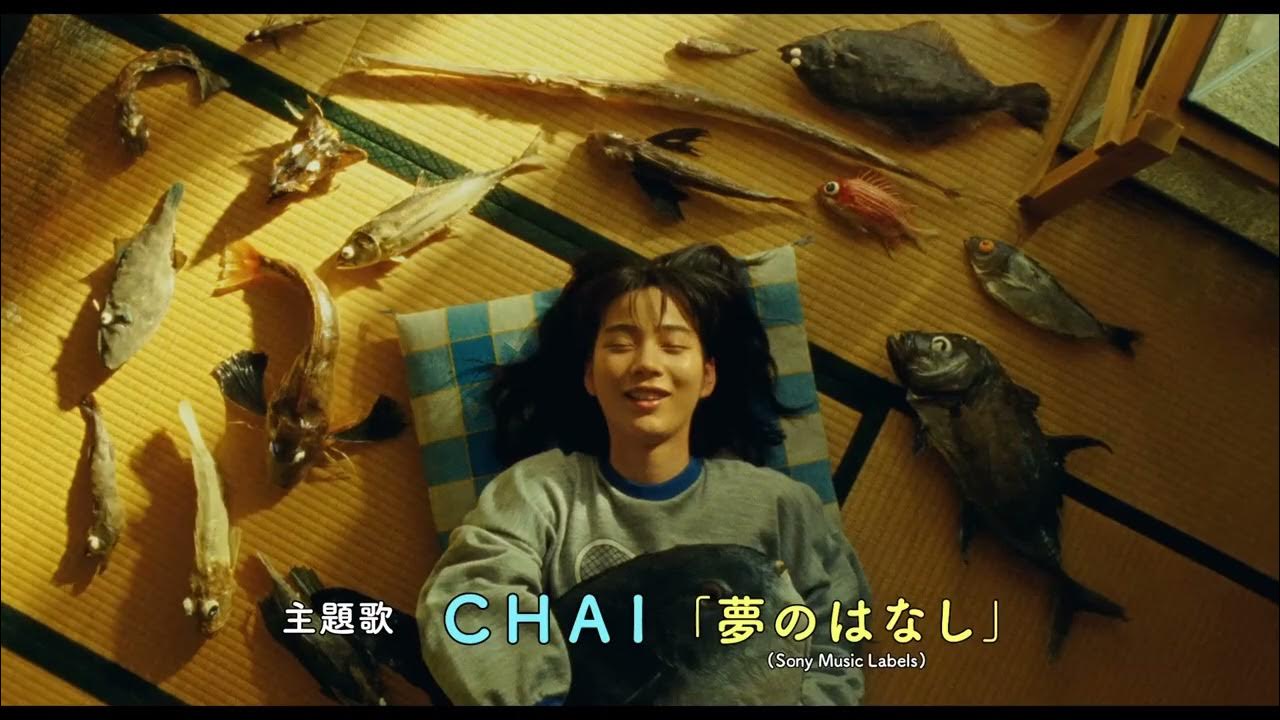
Directed by Shō Miyake and inspired by the life of marine biologist Sakana-kun, The Fish Tale follows Meebo, a socially awkward young woman utterly obsessed with fish. While society pressures her to “grow up,” she keeps swimming in her own direction—toward a career in ichthyology.
Meebo isn’t portrayed as a tragic outsider. She’s detached from conventional expectations but entirely at peace with her passion. The film leans into whimsical tone and gentle humor, allowing her so-called “failures” to become quiet acts of resistance.
It’s a biopic with soft edges—less about triumph in the traditional sense and more about staying loyal to what fascinates you.
Available: Streaming on platforms like MUBI or rental on Prime Video/Apple TV.


I WeirDo (Taiwan, 2020—but recent quirky standout)
Two people with severe OCD meet and fall in love, turning dates into absurd rituals involving protective gear and germaphobia-fueled chaos in Taipei. It lightly explores mental health through rom-com absurdity.
Directed by Liao Ming-yi, I WeirDo turns obsessive-compulsive disorder into the engine of a rom-com. Two extreme germaphobes meet, fall in love, and conduct their courtship in what looks like a biohazard containment zone.
Yes, it’s absurd. Yes, it’s funny. But beneath the protective suits and disinfectant rituals, the film explores compatibility, vulnerability, and how mental health shapes intimacy.
The humor never entirely dissolves the anxiety underneath. It captures how love can exist inside personal limitations rather than magically curing them.
Available: Netflix.
These films center people who exist slightly out of sync with society—fish obsessives, germaphobes, grieving families, corporate schemers, aging dreamers—and treat that difference as a lens rather than a punchline.
Asian cinema continues to stretch across tones and genres without flattening local specificity. These stories feel rooted in their respective cultures while remaining accessible to global audiences. That balance is increasingly shaping how international viewers discover films beyond the usual festival circuit.
Satan’s Slaves 2: Communion (Indonesia, 2022)
A family haunted by supernatural forces deals with grief and dark secrets in a tense horror-drama with eerie twists.
Directed by Joko Anwar, this sequel expands the haunted world introduced in the original Satan’s Slaves. The story centers on a grieving family now living in a bleak apartment complex where supernatural forces continue to circle.
While firmly horror, the film’s power lies in how it handles grief and inherited trauma. The “quirkiness” here is darker—strange behaviors, unsettling presences, and characters who react in ways that feel both human and unnervingly off-kilter.
Anwar’s direction blends classic horror pacing with modern atmosphere, proving Southeast Asian genre cinema is operating at a global level of sophistication.
Available: Shudder or rental platforms.
Monica, O My Darling (India, 2022)
Directed by Vasan Bala, this slick neo-noir thriller drops a corporate striver into a spiral of murder and blackmail. What sets it apart is tone. The film blends 1970s Bollywood aesthetics, sharp dialogue, and dark comedy into a tightly constructed crime story.
The tech executives and schemers feel heightened without turning cartoonish. The script plays with audience expectations, leaning into stylish excess while staying narratively controlled.
It’s crime cinema with a wink—self-aware but never sloppy.
Available: Netflix.
Leonor Will Never Die (Philippines, 2022)
An aging screenwriter enters the world of her unfinished action script, blurring reality and fiction in a meta, surreal adventure.
Directed by Martika Ramirez Escobar, this film begins with an aging screenwriter who falls into a coma—only to wake up inside her unfinished action screenplay.
Reality and fiction dissolve into each other. Characters refuse to stay dead. Genre tropes get lovingly dismantled.
Leonor herself is vibrant, stubborn, and unembarrassed by melodrama. The film reads as both a celebration of Filipino action cinema and a meditation on aging, creativity, and unfinished work.
It’s meta without being cold. Surreal without losing emotional clarity.
Available: Various platforms like MUBI or rental.
