

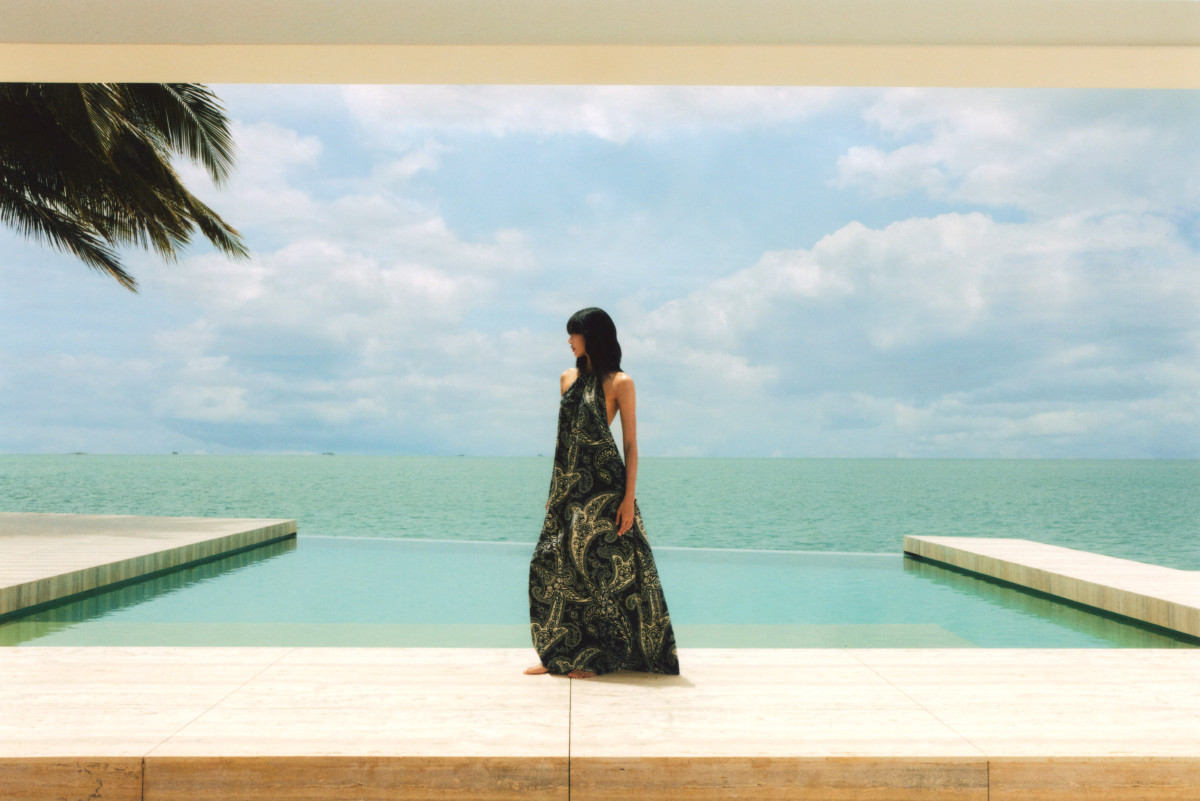
Lisa’s appointment to the Met Gala Host Committee and her role as the first Asian artist to design a full collection for KITH mark a structural shift in fashion influence. Moving beyond brand ambassadorship, she is stepping into institutional and creative authorship within global fashion.
When Lisa joins the Host Committee of the Met Gala, it signals something more structural than a red-carpet appearance. Add to that her role as the first Asian artist to design a full collection for KITH, and the throughline becomes clear: Lisa is shaping fashion culture.
These are two different lanes of influence: institutional access and design authorship. Together, they position her within fashion’s decision-making layer, not just its front row.
What Does a Met Gala Host Committee Member Actually Do?
The Met Gala is organized by the Metropolitan Museum of Art Costume Institute and chaired annually by Anna Wintour. Beyond the official co-chairs, there is a Host Committee — a curated group of influential figures invited to support the event’s cultural and philanthropic reach.
The Host Committee’s responsibilities are not ceremonial. Members are expected to:
- Amplify the event’s theme and institutional messaging.
- Attract high-profile attendees and sponsors through their networks.
- Elevate global visibility across markets.
- Represent fashion’s cross-industry influence — from film and music to tech and sport.
Selection is by invitation. There is no application pathway. Committee members are typically chosen based on cultural capital, global relevance, and alignment with the exhibition’s theme. Being asked reflects institutional recognition that your presence expands the event’s international reach.
Who Selects The Committee Members
The invitation to join the Met Gala Host Committee ultimately comes from the leadership of the Metropolitan Museum of Art Costume Institute, in close coordination with Anna Wintour, who serves as the event’s primary architect and gatekeeper.
Here’s how it works structurally:
- The Met Gala is a fundraiser for the Costume Institute.
- Anna Wintour, as Global Editorial Director of Vogue and long-time Gala chair, oversees the guest list and committee structure.
- The Costume Institute’s leadership and museum trustees are involved in institutional approvals.
- Brand sponsors may also weigh in on strategic names who elevate global visibility.
In practice, Anna Wintour’s office leads the curation. Her team works with the Met and key stakeholders to assemble a Host Committee that reflects:
- The exhibition theme
- Global cultural balance
- Industry influence (fashion, music, film, tech)
- Geographic reach
So when someone like Lisa is invited, it is not a public application process. It is a top-down selection driven by the Met and Wintour’s team, signaling that her presence aligns with both the theme and the institution’s broader cultural strategy.
KITH: Where It Sits in the Fashion Hierarchy
Founded in 2011 by Ronnie Fieg, KITH is a New York–based brand positioned between high-end streetwear and accessible luxury. It is privately owned, with Fieg as founder and creative director, and has collaborated with a range of global houses and sportswear giants.
KITH is not a heritage luxury maison on the level of Louis Vuitton or Chanel. It operates in what fashion insiders would describe as the premium contemporary tier — elevated pricing, limited drops, design-forward branding, but rooted in street culture rather than couture legacy.
Its model blends:
- Limited capsule releases.
- High-profile collaborations.
- Boutique retail spaces in New York, Miami, Tokyo, and beyond.
- A strong sneaker and lifestyle identity.
KITH thrives on cultural relevance rather than centuries-old heritage. That makes it an ideal platform for artist-driven collections.
Lisa Designing a Full Collection
Many celebrities collaborate on capsules. Fewer design full collections with creative input across silhouettes, fabrics, and campaign direction.
Lisa’s involvement signals several shifts:
First, Asian artists are no longer confined to ambassador roles. Designing implies authorship. It requires participation in product development, styling direction, and brand storytelling.
Second, KITH’s decision reflects the purchasing power and cultural authority of global Asian fandom. The brand understands that music audiences translate into fashion consumers.
Third, it situates Lisa among a specific category of cross-industry creators.
Artists Who Have Crossed Into Fashion Design
The music-to-fashion pipeline is well established, though the scale varies.
- Rihanna launched Fenty under LVMH, marking the first Black woman to lead a luxury house within the conglomerate.
- Pharrell Williams became Men’s Creative Director at Louis Vuitton.
- Kanye West built Yeezy into a billion-dollar brand.
- Beyoncé developed Ivy Park in partnership with Adidas.
In K-pop, ambassadors are common. Full creative control roles are not.
Lisa designing for KITH situates her closer to the author-designer model than the campaign-face model.
Luxury Context: Higher or Lower Than LV?
In pricing and heritage hierarchy, KITH sits below Louis Vuitton, Dior, or Chanel. It does not operate haute couture ateliers, nor does it anchor itself in historical craftsmanship narratives.
However, in cultural currency — particularly within streetwear and sneaker communities — KITH commands strong influence. Its limited releases generate resale markets. Its collaborations with brands like Nike and Coca-Cola blur luxury and pop culture lines.
The difference is structural: LV represents legacy luxury. KITH represents contemporary cultural capital.
Lisa’s participation aligns her with a brand that values immediacy and drop culture rather than traditional runway calendars.
Why This Moment Signals Broader Shifts
Fashion institutions have historically been Eurocentric in leadership and authorship. Asian artists have long been powerful consumers and ambassadors, but fewer have been placed in structural design roles.
Lisa’s Host Committee position and KITH design authorship reflect:
- The commercial weight of Asian global fandom.
- The growing integration of music and fashion ecosystems.
- A shift from celebrity endorsement to creative authorship.
It also reflects how artists today build portfolios rather than singular careers. Music, fashion, film, and brand equity operate in parallel.
What a Host Committee Seat and a Fashion Collection Share
Both roles require trust.
The Met Gala committee reflects institutional trust in cultural influence. A full KITH collection reflects brand trust in creative capability.
Neither is granted lightly. Both indicate that Lisa’s presence extends beyond visibility into strategy.
She is not merely attending the fashion conversation. She is part of how it is structured.
And that may be the most consequential shift of all.
