

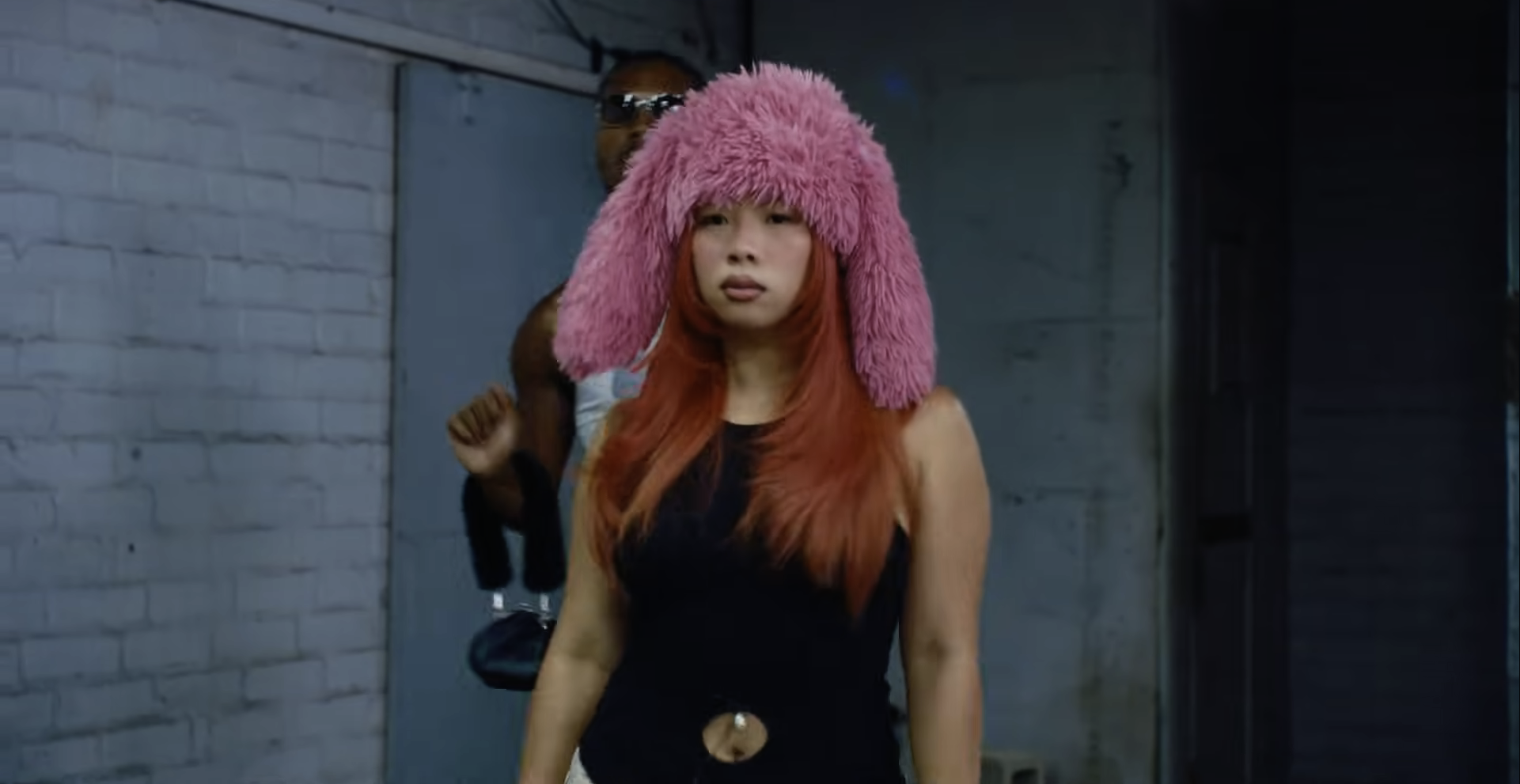
Thủy grew from posting YouTube covers to becoming one of the most visible Vietnamese-American R&B artists of her generation. Here’s how “Girls Like Me Don’t Cry” transformed her career.
Thủy (pronounced “twee”) grew up in California in a Vietnamese immigrant household. Music was not initially positioned as a guaranteed career path. Like many second-generation kids, she navigated the expectations of stability alongside a creative instinct that kept pulling her toward songwriting.
Her early visibility came from uploading covers on YouTube. That era matters. It trained her voice, built an audience slowly, and introduced her to online discovery long before TikTok made virality mainstream.
She later transitioned from covers to original music, leaning into R&B and soft pop with minimalist production. Early releases such as “Universe” and “Mine” established her signature tone: gentle, emotionally unguarded, conversational.
She remained independent during these formative years, building a direct connection with fans instead of chasing rapid commercial validation.
The Breakthrough: “Girls Like Me Don’t Cry”
Her inflection point arrived with the single “Girls Like Me Don’t Cry.”
The song gained massive traction on TikTok and streaming platforms, transforming from a fan favorite into a global viral moment. What made it resonate wasn’t just melody — it was emotional relatability.
The track captures the tension between vulnerability and self-protection, a theme especially resonant with young women navigating modern dating culture. Its understated production allowed the lyrics to breathe, which made it ideal for short-form social content — and that accelerated discovery.
Thủy’s vocal delivery is intentionally soft. The intimacy feels deliberate — almost diary-like — which creates a sense of emotional proximity with listeners.
Her songwriting often explores guarded affection, romantic misalignment, and quiet heartbreak. The tone is reflective rather than dramatic. She speaks to feelings people don’t always articulate out loud.
She embodies a broader shift in music economics: artists who cultivate niche loyalty first, then scale through algorithmic discovery rather than traditional gatekeeping.
Here are five songs you to get you started with her.
