

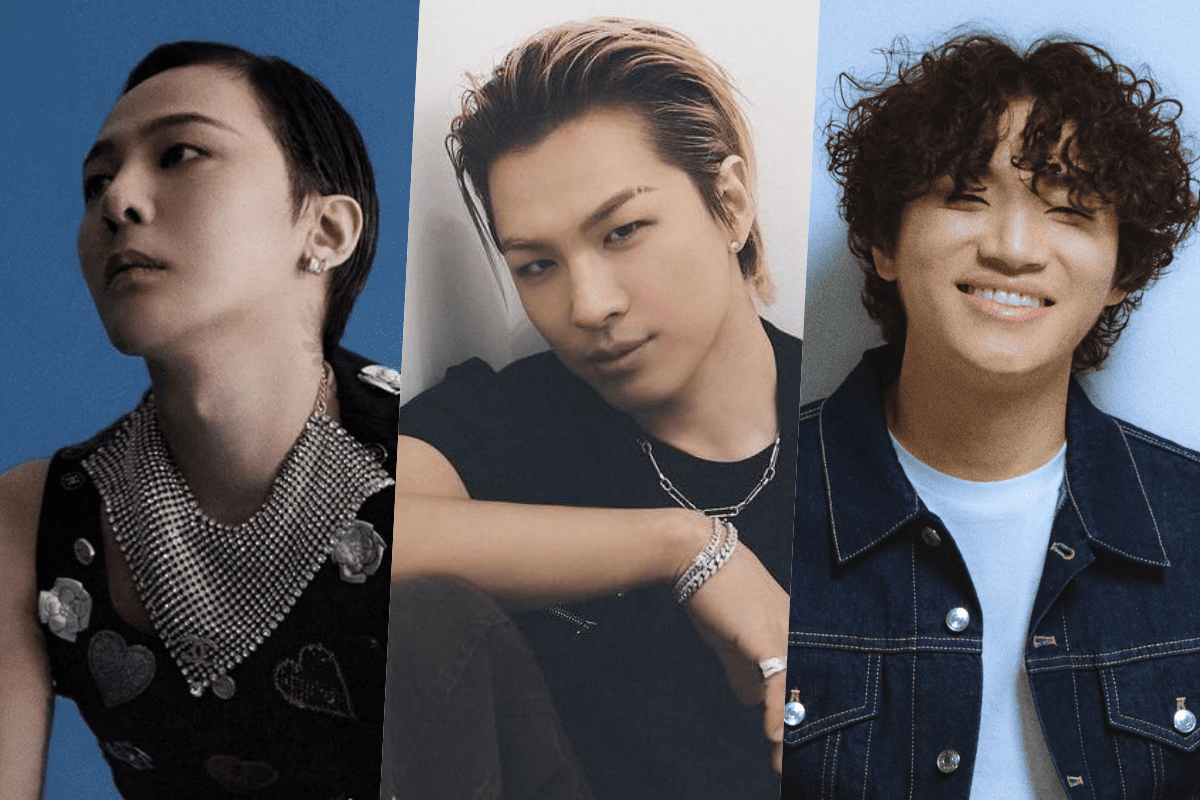
In a bullish update for K-pop giant YG Entertainment, Hana Securities has maintained a ‘Buy’ rating on the company’s stock, keeping the target price at 100,000 won. The firm cited the official confirmation of BIGBANG’s upcoming global tour as a major catalyst, prompting an upward revision of YG’s expected operating profit for 2026 to 93.5 billion won— a whopping 40% jump from prior estimates.
Analyst Lee Ki-hoon highlighted the tour’s potential in his report, noting that G-Dragon’s recently wrapped solo world tour drew crowds exceeding 800,000, signaling strong ongoing demand for BIGBANG’s brand of high-energy performances. “With ticket prices having skyrocketed since their heyday a decade ago, plus revenue from 20th-anniversary merch, secondary rights, and more, we’re looking at least a 30 billion won boost to operating profits in the second half of the year alone,” Lee explained.
This news comes hot on the heels of YG founder and executive producer Yang Hyun-suk’s blog interview, where he teased details of BIGBANG’s 20th-anniversary global trek. But the excitement isn’t just about nostalgia— it’s a reminder of how BIGBANG transformed YG from a scrappy hip-hop label into a K-pop powerhouse.
How BIGBANG Built the YG Empire
Debuting in 2006 under Yang Hyun-suk’s guidance, BIGBANG— consisting of G-Dragon, T.O.P, Taeyang, Daesung, and (formerly) Seungri— was YG’s breakout act. Before them, YG was known for underground hip-hop groups like 1TYM and Jinusean, but BIGBANG’s explosive hits like “Lies” (2007), “Haru Haru” (2008), and “Fantastic Baby” (2012) catapulted the agency to the forefront of the industry. Their self-produced music, blending hip-hop, R&B, and electronic elements, not only dominated charts but also redefined K-pop’s sound, helping YG rival SM and JYP as one of the “Big Three” agencies.
By the 2010s, BIGBANG’s success funded YG’s expansion, paving the way for acts like 2NE1, WINNER, iKON, BLACKPINK, TREASURE, and BABYMONSTER. Without BIGBANG’s global breakthrough, YG might not have achieved its multi-billion-won valuations. Even today, as Hana Securities points out, the group’s return is a linchpin for YG’s recovery amid recent challenges.
Tours That Shattered Records: A Revenue Powerhouse
BIGBANG’s live shows have always been cash cows, blending explosive energy with cutting-edge production. Under Yang Hyun-suk’s leadership, YG prioritized unmatched visual spectacles— think pyrotechnics, intricate light design, and immersive stage designs that set a new standard for K-pop concerts. This focus turned their tours into massive earners.
Here’s a rundown of their major tours, based on data from Pollstar and Touring Data:
- Alive Galaxy Tour (2012-2013): Their first world tour visited 21 cities across four continents, drawing over 800,000 fans. Gross revenue topped $73 million, with standout shows like the three-night stint at London’s Wembley Arena pulling in $4.5 million from 36,000 tickets.
- Made World Tour (2015-2016): Spanning 66 shows in 32 cities, this juggernaut attracted 1.5 million attendees and grossed over $150 million— making it one of the highest-grossing K-pop tours ever at the time. Key highlights include $5.3 million from three sold-out nights at Macau’s Cotai Arena (28,598 tickets) and $7.8 million from just four North American dates, per Pollstar’s year-end rankings.
- 0.TO.10 Tour (2016-2017): Celebrating their 10th anniversary, this Asian-focused run hit 24 cities with 36 shows, pulling in 1.1 million fans and an estimated $70 million in gross. It included epic domes like Tokyo Dome, where multiple nights raked in millions each.
- Last Dance Tour (2017): A farewell before military enlistments, it grossed around $40 million from 14 shows, with strong Asian markets like Japan contributing heavily.
These figures underscore BIGBANG’s touring dominance, often outpacing contemporaries in per-show averages. Pollstar data shows them consistently ranking in global top-grossing lists, with averages like $3-5 million per arena show in peak years. Their ability to sell out stadiums worldwide not only boosted YG’s bottom line but also elevated K-pop’s concert economy.
Setting Fashion Trends: From Streetwear to Global Icons
Led by G-Dragon (often dubbed the “King of K-pop Fashion”), the group blended hip-hop streetwear with high-end luxury, inspiring generations of idols and fans.
In their early days, BIGBANG popularized oversized hoodies, snapbacks, baggy jeans, and bold accessories, drawing from hip-hop influences. G-Dragon’s experimental looks— like fuzzy coats, gender-fluid outfits (skirts, makeup, and womenswear from Chanel), outrageous hairstyles (sushi hair, dreadlocks), and custom doodles on clothes— sparked trends that spread globally.
They pioneered “airport fashion,” turning travel outfits into red-carpet events, a staple now for all K-pop stars. BIGBANG’s influence extended to luxury brands: G-Dragon’s 2016 Chanel ambassadorship was a first for K-pop, blending street and couture in a way that made items sell out overnight. Replicas of his outfits flooded markets like Seoul’s Dongdaemun, and his punk-subculture mixes made K-pop style accessible yet aspirational. Even today, idols cite BIGBANG as fashion inspirations, proving their trendsetting legacy endures.
G-Dragon’s Solo Triumph: A Preview of BIGBANG’s Power
G-Dragon just concluded his biggest solo outing yet— the 2025-2026 Übermensch World Tour. Spanning 39 shows across 17 cities in 12 countries. While official tallies from Pollstar and Touring Data are still pending for all dates, fans expect it to exceed $90 million in gross revenue.
Why BIGBANG Still Moves the Needle for YG
Even as YG bolsters its roster— with TREASURE and BABYMONSTER eyeing multiple comebacks, units, full albums, and expanded tours this year— BIGBANG remains the ace card. Lee Ki-hoon projects that excluding the veterans, YG could still hit 60 billion won in profits from new acts, but the tour adds that extra 30 billion won punch. New debuts (one boy and one girl group by next year) will fill gaps, turning YG’s “rookie shortage” into momentum.
In an industry where comebacks can make or break stocks, BIGBANG’s return isn’t just fan service— it’s smart business. Their history of chart-topping music, record-breaking tours, fashion revolutions, and visual extravaganzas under Yang Hyun-suk’s vision explains why, two decades in, they still dictate YG’s fortunes. As K-pop evolves, BIGBANG proves legends don’t fade; they reload.
