

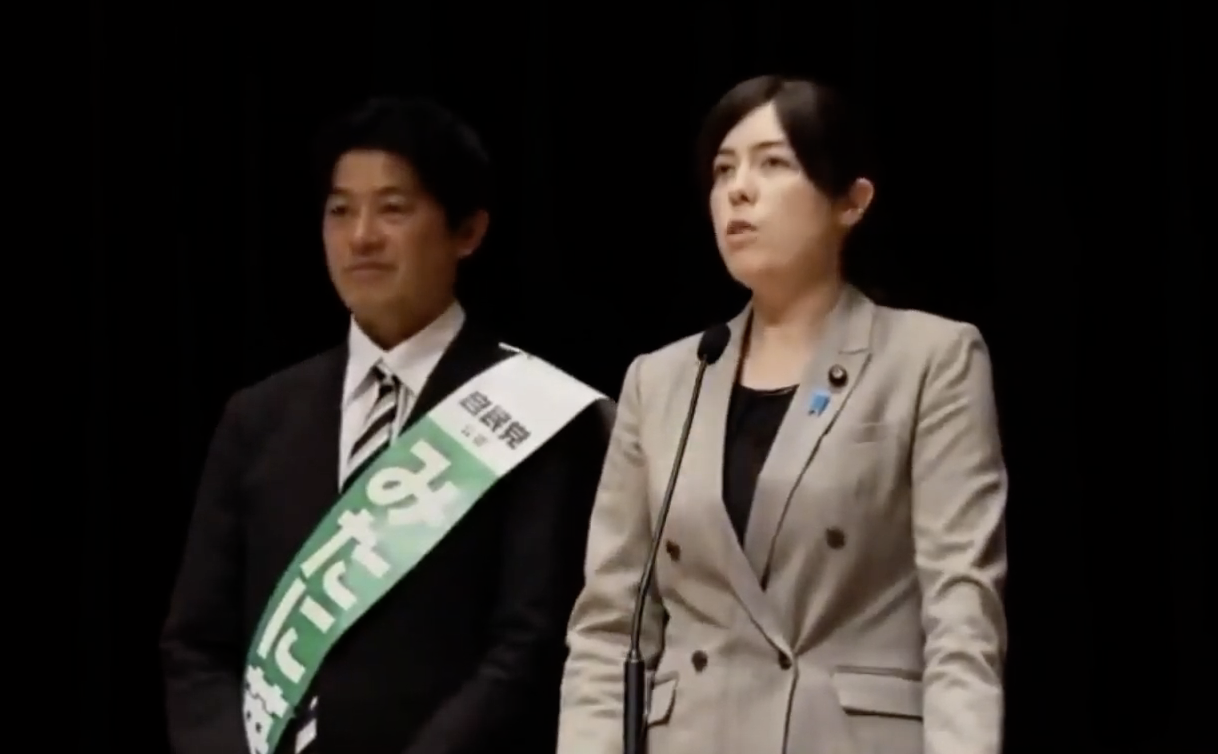
In late April 2026, at the NicoNico Chokaigi convention, Japan’s Minister of State for Economic Security Kimi Onoda delivered a direct message that quickly went viral among global anime and manga fans, “Shut up. This is Japan.”
A self-proclaimed otaku [a Japanese term that refers to a person with an intense, obsessive passion for a particular hobby or interest — most commonly anime, manga, video games, cosplay, or related Japanese pop culture] with prior experience in anime and game production, Onoda pushed back against growing external demands to alter Japanese content. Her widely quoted line — paraphrased as “Shut up. This is Japan” or “Enough already — this is Japan” — underscored a clear principle: Japan’s cultural exports succeed because of their authentic creativity, not through compliance with foreign standards.
Onoda emphasized that the global popularity of anime and manga stems from the passion of creators, fans, and the industry itself — not government rules or overseas sensitivities. The government’s role, she argued, is to protect creative freedom and shield Japanese content from outside interference, rather than regulate or sanitize it.
The Pressures Behind the Statement
Anime and manga’s worldwide success has invited increasing attempts to reshape them for non-Japanese audiences. These pressures come from several sources:
- Western localization and distribution companies: Editors and localizers sometimes modify source material to align with perceived Western sensibilities, including toning down fanservice, altering dialogue, or changing character portrayals.
- Payment processors such as Visa and Mastercard: These firms have restricted services to Japanese platforms hosting adult or ecchi content [is a term used in anime, manga, and gaming to describe content that is sexually suggestive or playful, but stops short of showing explicit content], effectively forcing platforms to limit offerings or develop alternatives.
- Activists, NGOs, and international bodies: Campaigns on social media and recommendations from organizations like the UN have called for restrictions on certain themes.
Japan’s stance, reinforced by Onoda and broader policy discussions, is straightforward: Those who dislike the content are free not to consume it, but they should not demand changes to Japanese cultural works.
Examples Of Local Pressure
Localization has long involved adaptation, but controversies arise when changes go beyond translation into rewriting intent:
- Seven Seas Entertainment faced backlash for its handling of I Think I Turned My Childhood Friend Into a Girl. The publisher altered elements related to a cross-dressing male character to present the character as transgender, diverging from the author’s intent. After public criticism, Seven Seas apologized and committed to revisions aligning more closely with the original.
- The House in Fata Morgana visual novel creator publicly criticized a Western localizer for rejecting character designs (such as “inward-knee” female legs) as unnatural by their standards.
- Historical cases like 4Kids Entertainment’s heavy edits to One Piece and Yu-Gi-Oh! (removing deaths, altering plots, and skipping episodes) set early precedents for cultural adaptation that many fans view as excessive.
- Other examples include Netflix’s Neon Genesis Evangelion subtitles changing Kaworu’s “I love you” to “I like you,” and dubbing alterations in Miss Kobayashi’s Dragon Maid that inserted contemporary gender politics references.


Financial and Regulatory Pressure from Payment Processors
Payment processors have exerted significant influence on Japanese platforms:
- DLsite, a major distributor of doujinshi, games, and illustrations, lost Visa/Mastercard support in 2024–2025 over adult content policies. It responded by launching its own payment system, “Minna no Ginko Payment.”
- Melonbooks, a major doujinshi retailer, suspended Visa and Mastercard payments in late 2024 for similar reasons. Other platforms like Fantia, DMM, and Skeb faced comparable restrictions.
These actions often stem from policies aimed at content depicting sexual acts involving minors or other restricted material, even in fictional, non-photographic contexts legal under Japanese law. Creators and platforms have increasingly turned to domestic alternatives to maintain operations.
International and Activist Calls for Regulation
The UN Committee on the Elimination of Discrimination Against Women (CEDAW) has repeatedly urged Japan to monitor or restrict manga, anime, and games that it views as promoting “discriminatory gender stereotypes” or “sexual violence.” Reports from 2016 and 2024 expressed concerns over pornography, video games, and animation potentially inciting harm, recommending legal measures and monitoring programs.
Japanese officials and industry voices have pushed back, noting that such content is protected expression involving no real victims and is often created or consumed by women as well.
Social media campaigns in Western markets have also targeted “problematic” elements like age-gap relationships, fanservice, or loli designs, sometimes leading to boycotts or review-bombing.
Japan’s Response: Cultural Authority and Creative Freedom
Onoda’s remarks align with broader Japanese policy. The government aims to grow the overseas anime market significantly (targeting trillions of yen by 2033) while explicitly stating principles like “No interference in creative works.” The focus remains on supporting creators, combating piracy, protecting IP, and expanding reach — without compromising the unique Japanese identity that drives success.
The bottom line, as articulated by Onoda and reflected in industry sentiment, is clear: Anime and manga are integral to Japanese culture. Japan retains full authority over their creation and presentation. Global audiences are welcome to enjoy them as they are. If certain elements do not appeal, consumers can choose not to engage — but demands to rewrite, censor, or sanitize Japanese works for foreign markets cross into disrespect for cultural sovereignty.
This firm position protects not just economic interests but the expressive freedom that has made Japanese pop culture a global phenomenon. As Onoda put it: When faced with external attacks based on overseas standards, the response should be resolute — “This is Japan.”
