

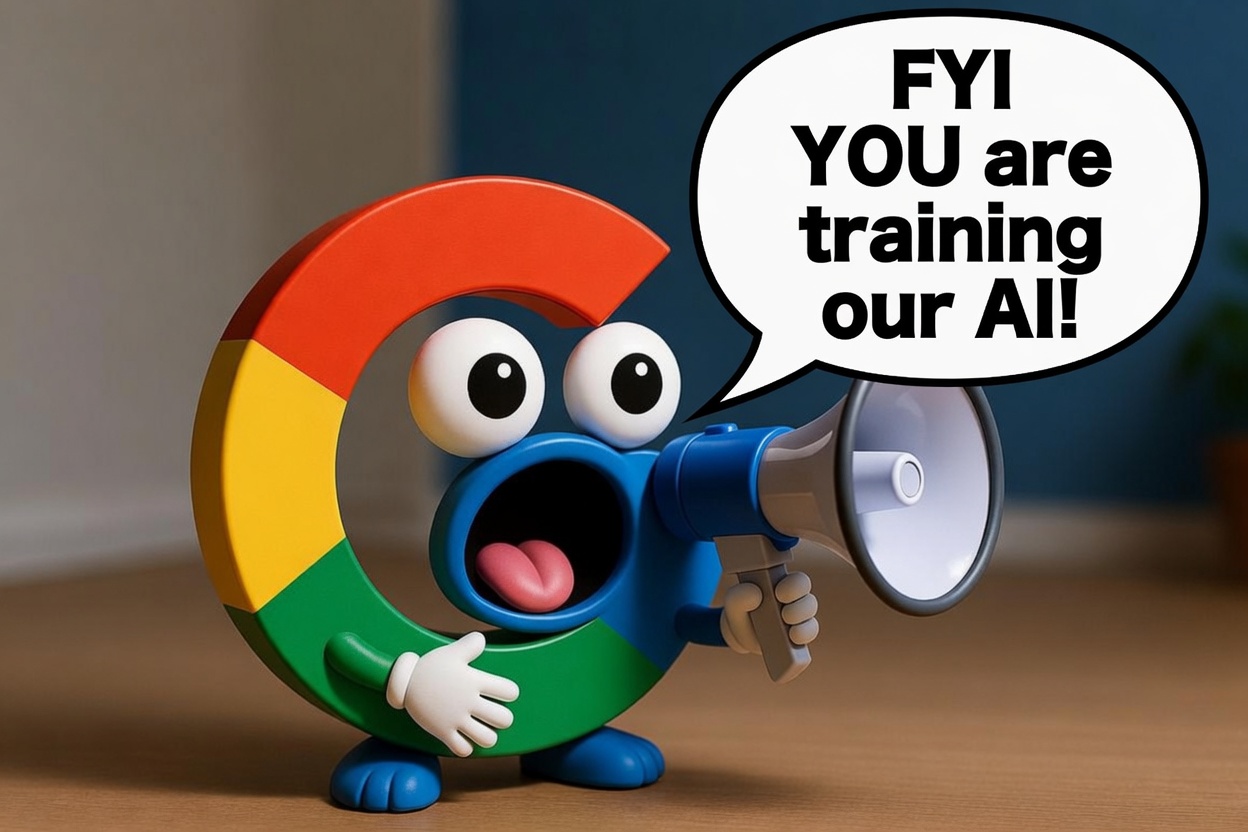
The AI music wars just got more personal for independent creators. Google is moving to dismiss a copyright lawsuit from independent musicians over its Lyria 3 model, arguing that uploading to YouTube essentially granted them the rights to use that music for training advanced AI tools. This isn’t abstract legal posturing — it’s a stark reminder of how platform terms can reshape ownership in the age of generative tech.
What Exactly Is Lyria 3 and What Does It Offer?
Lyria 3, developed by Google DeepMind, is the company’s most advanced music generation model yet. Integrated into the Gemini app (launched widely in February 2026), it lets users create high-fidelity tracks from simple text prompts or images — think turning “a comical R&B slow jam about a sock finding their match” into a full 30-second piece with vocals, lyrics, instrumentals, and even custom cover art.
Key features:
- Durations: Standard Lyria 3 for quick 30-second clips; Lyria 3 Pro for up to 3-minute structured tracks with verses, choruses, bridges, and better flow.
- Creative control: Supports multiple genres/languages, precise prompting for structure, tempo, mood, and multimodal inputs (text + images/videos).
- Quality: High-fidelity 44.1 kHz stereo audio, natural musical progression, and SynthID watermarking for identifying AI-generated content.
- Accessibility: Aimed at democratizing music creation — hobbyists, marketers, filmmakers, and pros can generate custom soundtracks on the fly.
It positions itself as a collaborative tool rather than a replacement for artists, emphasizing fun, experimentation, and quick ideation.
The Role of YouTube Uploads in Lyria’s Training
Google’s defense hinges on YouTube’s Terms of Service. When creators upload music, they grant YouTube (and its “Affiliates,” including Google/Alphabet) a broad, worldwide, non-exclusive, royalty-free, sublicensable, and transferable license to “use, reproduce, distribute, prepare derivative works,” etc., for operating, promoting, and improving the service.
Google argues this covers training Lyria 3. They haven’t explicitly confirmed using specific plaintiff tracks but say the license authorizes such use. YouTube has paid out over $8 billion to the music industry in the relevant period, framing uploads as a choice to leverage their platform.
YouTube also has opt-in mechanisms for third-party AI training on public videos that comply with guidelines, giving creators some control — but the default broad license is what Google is leaning on here.
Implications for Current Content Creators
Yes, your uploaded work could be (or already has been) used to train AI — at least according to Google’s interpretation. This raises real concerns:
- Loss of control: Independent artists who built audiences on YouTube may find their catalog indirectly powering competitors or flood-the-market AI outputs.
- Monetization squeeze: More AI-generated tracks could dilute discovery and royalties for human creators, especially in saturated genres.
- Class action angle: The suit (filed March 2026 by artists like Sam Kogon, Magnus Fiennes, and others) seeks to represent a broader group, highlighting structural leverage via YouTube ownership and Content ID.
On the flip side, some creators might see opportunities in licensed partnerships, similar to Warner’s Suno deal. But for indies without major leverage, it feels extractive.
Key IP Provisions in Google/YouTube Terms Creators Should Know
Beyond the broad upload license:
- Content must be original or properly licensed; YouTube prohibits unauthorized use.
- Google can modify, analyze, and make content publicly available as part of service improvements.
- Affiliates clause extends rights across Alphabet.
- DMCA and rights management tools exist, but the suit argues they don’t fully protect against training data scraping.
- Opt-out or partnership options for AI training are emerging, but defaults favor the platform.
Always read updates — terms evolve, often quietly.
Are Other Platforms Doing the Same?
Yes, this is an industry trend:
- SoundCloud: Updated terms explicitly allow content to “inform, train, develop” AI (though they’ve stated they haven’t used it that way yet).
- Distributors/Aggregators: Many (e.g., some mid-2025 updates) claim rights for AI training unless opted out.
- Suno/Udio context: Majors are pushing licensed deals post-lawsuits, but user-upload platforms lean on broad TOS.
- Bandcamp has been more protective, requiring express permission for training generative models.
Big Tech and streaming services are generally expanding AI-friendly language while majors fight for compensation.
DMCA Standing Requirements
In the ongoing Google Lyria 3 lawsuit, one of the company’s strongest arguments for dismissal is that the independent musicians lack standing under the Digital Millennium Copyright Act (DMCA) — specifically its provisions on Copyright Management Information (CMI). This isn’t just legal jargon; it’s a critical gatekeeper in federal court that determines whether artists can even bring certain claims. Let’s break it down smart-casual style.
Article III Standing Basics (The Constitutional Threshold)
Before any DMCA claim can proceed, plaintiffs must satisfy the U.S. Constitution’s Article III “case or controversy” requirement. This means showing:
- Injury-in-Fact: A concrete, particularized harm that is actual or imminent (not hypothetical or speculative). Post-TransUnion v. Ramirez (2021 Supreme Court), a bare statutory violation isn’t enough — the harm must resemble a traditionally recognized injury (like property damage or economic loss).
- Causation: The injury must be traceable to the defendant’s conduct.
- Redressability: A favorable court decision must be likely to fix the harm.
- In plain terms: You can’t sue just because you feel wronged by AI training. You need to show real, provable damage.
DMCA-Specific Standing, Especially §1202 (CMI Claims)
The DMCA has multiple parts, but the relevant one here is Section 1202 — which prohibits intentionally removing or altering CMI (e.g., artist names, titles, copyright notices, metadata) if you know or should know it will induce, enable, facilitate, or conceal infringement.
Key standing hurdles in AI/music cases like Lyria:
- No Infringing Output Identified: Courts frequently rule that plaintiffs must point to specific AI-generated tracks that copy their work and lack proper CMI. Mere allegation that training data included their music (with metadata stripped) often isn’t enough.
- Concrete Harm Required: Speculation about future harm or general market dilution doesn’t cut it. Plaintiffs need to show tangible injury — e.g., lost sales, actual distribution of stripped copies, or clear economic impact traceable to the CMI removal. Many AI cases have been dismissed because “no concrete harm flowing from the purported violation.”
- Double Scienter and Identicality: Some courts add layers — defendants must have known about the removal and its infringing effect. Others apply an “identicality” rule: the output must be essentially identical to the original for CMI claims to stick.
- DMCA Takedown vs. §1202: Note the distinction — standard DMCA takedown notices (Section 512) have their own processes, but §1202 claims in generative AI are tougher because training itself isn’t public “distribution.”
Google leaned on exactly this in the Lyria motion: no specific infringing output, no altered CMI shown in outputs, and no concrete harm.
The Bigger AI Music Picture
Courts are split on how strictly to apply standing in AI disputes, creating uncertainty for creators. Some cases survive with detailed allegations of harm; others get tossed early. For independent musicians and Asian content creators heavily reliant on YouTube, it highlights the uphill battle: broad platform licenses + high standing bars can shield Big Tech while leaving artists with limited recourse unless they can prove specific, provable damage.
The Bigger Picture for the Music Industry and Asian Creators
This case echoes the Suno/UMG battles but hits closer to home for YouTube-dependent indies and global scenes like K-pop, P-pop, and Asian diaspora creators who rely on the platform for reach. It underscores a core tension: platforms as enablers vs. gatekeepers/extractors of value.
Google frames Lyria as transformative and democratizing, much like the labels’ AI partnerships. But without clear opt-in consent, fair compensation, and transparency on training data, it risks eroding trust. For Asian entertainment ecosystems — where cultural IP, idol voices, and fan content are central — protecting originality while embracing tools will be key.
The motion to dismiss is pending, but expect appeals and more scrutiny. In the meantime, creators should audit uploads, explore opt-outs, and consider direct distribution strategies. AI can spark creativity, but the human spark — and its legal safeguards — still matters most.
What’s your experience with YouTube and AI tools? Share in the comments or on our socials.
