

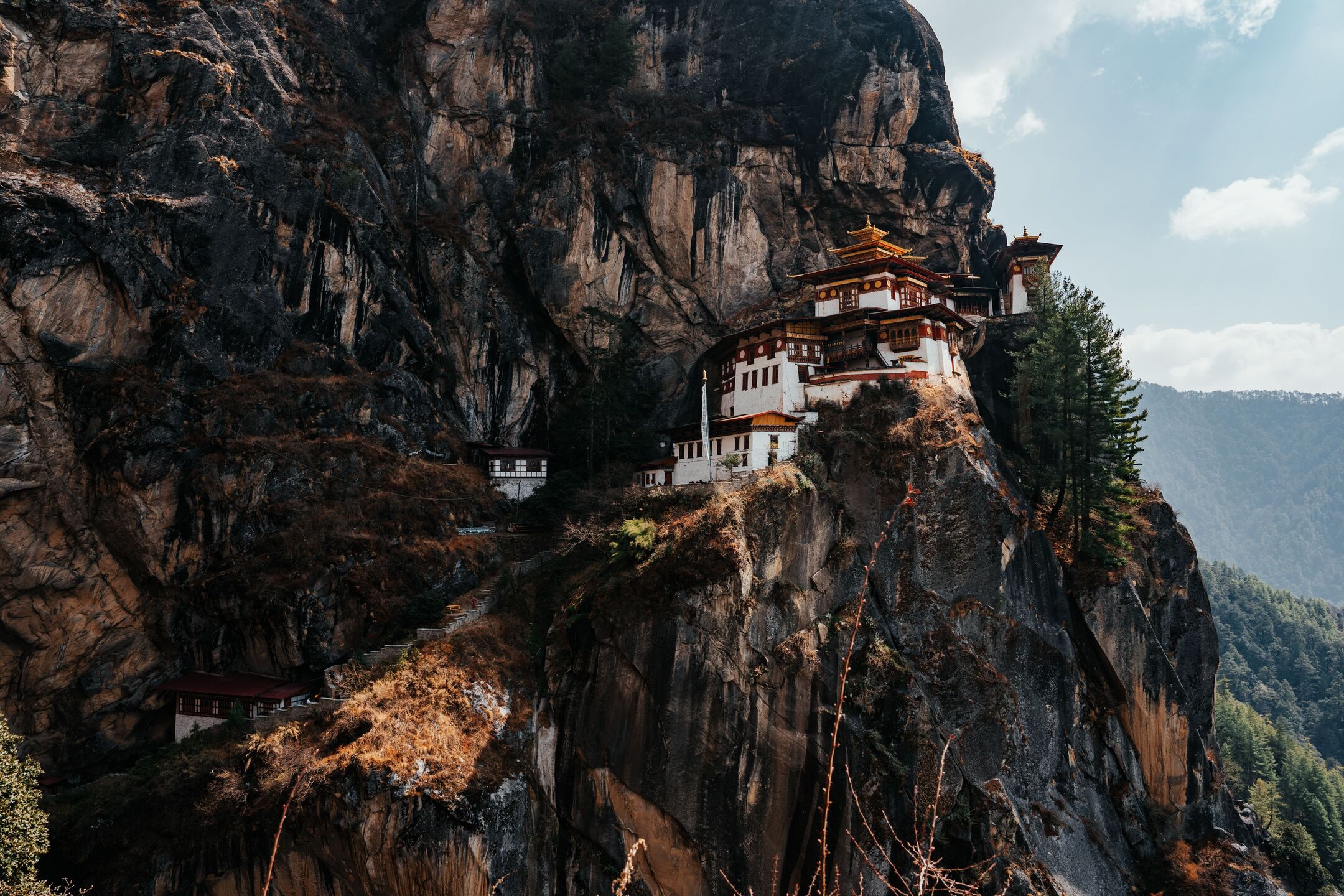
Bhutan feels like it was yanked straight from a storybook—towering mountains, lush emerald forests, and architecture that looks hand-painted by monks with excellent taste. This tiny kingdom has gone to heroic lengths to protect its culture and environment in ways that make the rest of us look like we’re mainlining consumerism. But visiting? Bring your wallet (and patience). Daily fees run $200–$350, covering basics, and visas come only through government-approved operators. A hefty chunk of that cash flows straight back into preservation. It’s pricey, but as you’ll see, Bhutan does things differently—and often better.
The World’s Only Carbon-Negative Country
While most nations preach sustainability, Bhutan quietly does it. Thanks to vast forests that gobble up more carbon than the country produces, it’s the world’s sole carbon-negative nation. Hydropower isn’t just a buzzword here—it’s a major export. The decision to keep those forests standing has paid dividends in clean air and national pride. Take notes, world.
Isolation, Interrupted: TV Arrived Fashionably Late
Bhutan stayed blissfully off the grid until 1974, when foreign media showed up for a king’s coronation. Television didn’t land until 1999. The delay was deliberate: leaders worried outside influences would erode their traditions. They weren’t entirely wrong—post-TV, some Western-style cravings and even petty crime ticked up among youth chasing shiny things from shows. Sometimes, less really is more.
No Traffic Lights, Just Chill Vibes
In Thimphu, traffic lights are basically mythical. Officials tried installing them once. Locals revolted. Now, good-natured police officers direct traffic with the relaxed energy of someone who’s never had a Monday morning meeting. Roads are winding mountain paths anyway, animals wander across at will, and people occasionally stop mid-road for friendly chats. It’s inefficient. It’s glorious.
The King Who Gave Up the Throne for Democracy
In a world of power-hungry leaders, Bhutan’s fourth king pulled a plot twist: he voluntarily abdicated to usher in democracy. Why? He knew no bloodline guarantees a great ruler. The people now choose. He remains a beloved advisor who walks among citizens, hearing their everyday struggles. If only every monarchy had such self-awareness.
Gross National Happiness > GDP
Forget obsessing over economic growth. Bhutan’s real metric is Gross National Happiness (GNH), with pillars like sustainable development, cultural preservation, good governance, and environmental health. The UN has taken notice and encouraged others to adopt similar thinking. Imagine measuring success by how content your citizens feel instead of how many widgets they churn out. Revolutionary.
Plastic Ban, Smoking Restrictions, and Sacred Life
Bhutan takes “do no harm” seriously. Plastic bags are banned (after a few false starts), so bring your own reusable. Smoking is confined to designated spots with sky-high taxes to discourage the habit. And killing animals? Illegal, in line with Buddhist principles. Most meat is imported, making it pricey—and they’re even debating going fully vegetarian. Respect for life isn’t just talk.
Never Conquered, Always Free
Thanks to smart strategy and rugged terrain, no foreign power has ever colonized Bhutan. In an era of empires, they stayed sovereign. That’s not luck—it’s wisdom.
Free Education, Healthcare, and a Matriarchal Twist
Education and healthcare are free for all. Many kids still start in monasteries, but modern access is expanding. Society leans matriarchal: women head households, inherit property, and run businesses. Grooms move into the bride’s home. (Though polygamy for men exists—hey, cultural nuance.) It’s a refreshing flip on the usual script.
National Dress Is Non-Negotiable
Want to enter a school, government office, or official spot? Don the traditional gho (for men) or kira (for women). It’s mandatory and a beautiful way to keep heritage alive amid modernization.
Why Bhutan Feels Like a Breath of Fresh Air
Bhutan isn’t chasing tourist dollars (tourism is just ~1% of GDP). Its low-volume, high-value model keeps the country authentic—and delightfully foreigner-light. One visitor noted barely seeing other outsiders during a family trip. In a world of overtourism, that’s a feature, not a bug.
This Himalayan gem proves you can modernize without losing your soul. Their blend of tradition, environmental stewardship, and genuine happiness offers lessons for everyone. Bucket-list worthy? Absolutely—just budget accordingly and prepare to have your perspective adjusted for the better.
