

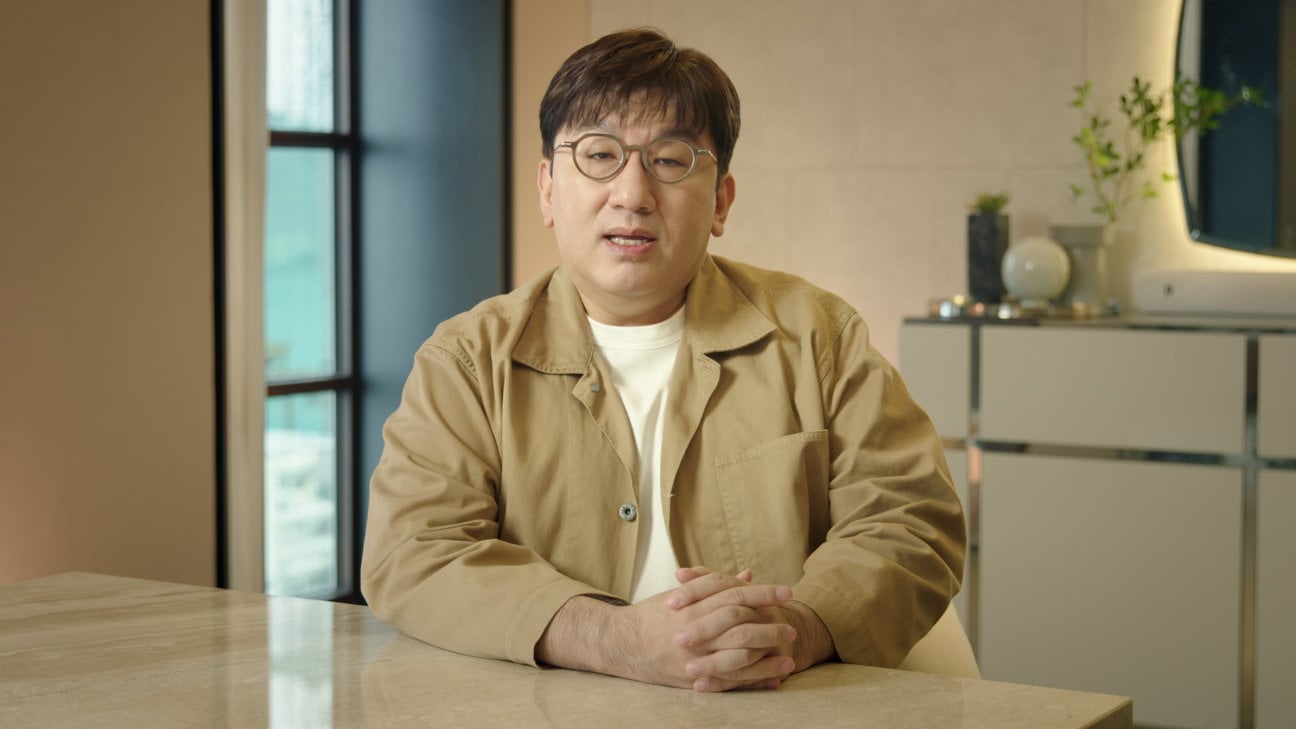
Bang Si-hyuk, the founder and chairman of HYBE, has broken his silence. In a letter to employees and stakeholders, he apologized for the turbulence surrounding both his name and the company’s reputation. But beneath the formal tone was a clear message: he will return to South Korea, face the allegations head-on, and do what it takes to clear the path for HYBE’s artists and staff.
This isn’t just corporate crisis management—it’s cultural calculation. In South Korea, where a company’s image is intertwined with the personal honor of everyone who works there, public scandals aren’t just bad PR—they become personal burdens for every employee, from executives to interns.
The Context: Already Tried, Already Cleared
The current allegations aren’t new—they’re recycled from accusations already investigated and dismissed. Regulators claim Bang misled early investors by suggesting the IPO might not happen, prompting them to sell their shares.
But the facts tell a different story. HYBE attempted an IPO **three separate times** before it finally listed in October 2020:
- October 2018 (Stick Investment): IPO delayed by two years, showing the “delay risk” was very real.
- June 2019 (Easton No. 1): No 30% profit-sharing clause for Bang—only a clause that left him shouldering the full risk of buying the private-equity fund’s stake at a higher price if the IPO failed.
- November 2019 (Easton–Newmain No. 2): Contract granted Bang 30% of the sale profits, but also included a put option requiring him to repurchase shares at the principal plus a fixed return if the IPO failed.
At that time, HYBE was struggling to find outside investors to buy early backers’ shares, so a Special Purpose Company (SPC) formed by HYBE executives stepped in—meaning Bang essentially took on the financial risk himself.
In other words, Bang’s warnings that the IPO could be delayed—or might not happen at all—weren’t deception, they were prudent, fact-based cautions grounded in multiple past delays. On July 16, 2025, even the Securities and Futures Commission confirmed he merely indicated that “the listing could be delayed.”

Top panel: HYBE’s IPO delay timeline, showing each postponement and when Bang Si-hyuk took on financial risk.
Bottom panel: The scale of investor profits (₩6.5B → ₩115.1B = 1,671% gain) versus Bang paying over 50% of his IPO earnings in taxes.
The Investors Didn’t Lose—They Won Big
When the IPO succeeded less than a year later, Bang paid more than half of his earnings in taxes. Meanwhile, investors, including South Korea’s National Pension Service, saw astronomical returns. One fund turned ₩6.5 billion into ₩115.1 billion—a staggering 1,671% gain.
These are not the results of someone defrauding investors. These are the results of a founder who took personal risk to keep the IPO alive and deliver value to stakeholders.
Why Bring It Back? The Power Play
The truth is, they aren’t seeking answers—they’re seeking Bang Si-hyuk himself. The clearest proof? When the CEO of BeLift Lab appeared before the National Assembly, one lawmaker bluntly told him they wanted Bang.
“[That’s why] we wanted Bang Si Hyuk but he sent you.”
— National Assembly member to BeLift Lab CEO
That single remark, made when the CEO of BeLift Lab appeared before the National Assembly, says it all. If this were about the truth, it wouldn’t matter who appeared before them—what would matter are the answers given. But that’s not what this is. They want the founder of the most successful K-pop company in history—the architect of BTS—to stand before them so they can have their moment. Figuratively, they want him to kneel. And if they could make it literal, they might.
They can’t do that to BTS without risking explosive backlash, so Bang is the proxy. In South Korea’s political culture, public submission from someone of his stature is the real victory.

Belift Lab CEO and Hybe COO Kim Tae-ho speaks during the comprehensive audit of public institutions under the Ministry of Culture, Sports and Tourism, held at the National Assembly in Yeouido, Seoul
The Cultural Weight
In the West, an executive in Bang’s position could simply send in lawyers and focus on business. In South Korea, ignoring it entirely isn’t an option without collateral damage to the company’s staff, artists, and reputation.
By returning, Bang is removing the distraction so HYBE’s roster—BTS, TXT, Enhypen, the new Big Hit group CORTIS—can move forward without legal noise hijacking their comebacks.
The Toxicity Of Korean Politicians
The toxicity lies in the misuse of political and legal institutions for public spectacle. This isn’t about recovering losses—there were none. It isn’t about protecting investors—they profited beyond imagination. It’s about using a high-profile figure as a prop in a staged humiliation to assert political control.
If unchecked, this cycle will repeat, eroding trust in institutions and making business leaders more focused on appeasing politicians than building companies.
Bang Si-hyuk’s return is not a white flag—it’s a tactical maneuver in a culture where optics can dictate a company’s fate. By stepping into the arena on his terms, he’s shielding HYBE’s future, its artists, and their work.
But let’s be clear: this is not justice. It’s theater. And the real story here is not about Bang’s guilt or innocence—it’s about the dangerous power of political spectacle in South Korea.
