

The Western music industry has entered what it believes is a new era: the age of the superfan.
Labels now openly talk about building businesses around superfans—listeners who buy multiple versions of albums, travel across cities to attend concerts, and center large portions of their identity around a single artist. On paper, this sounds familiar. And that’s because it is.
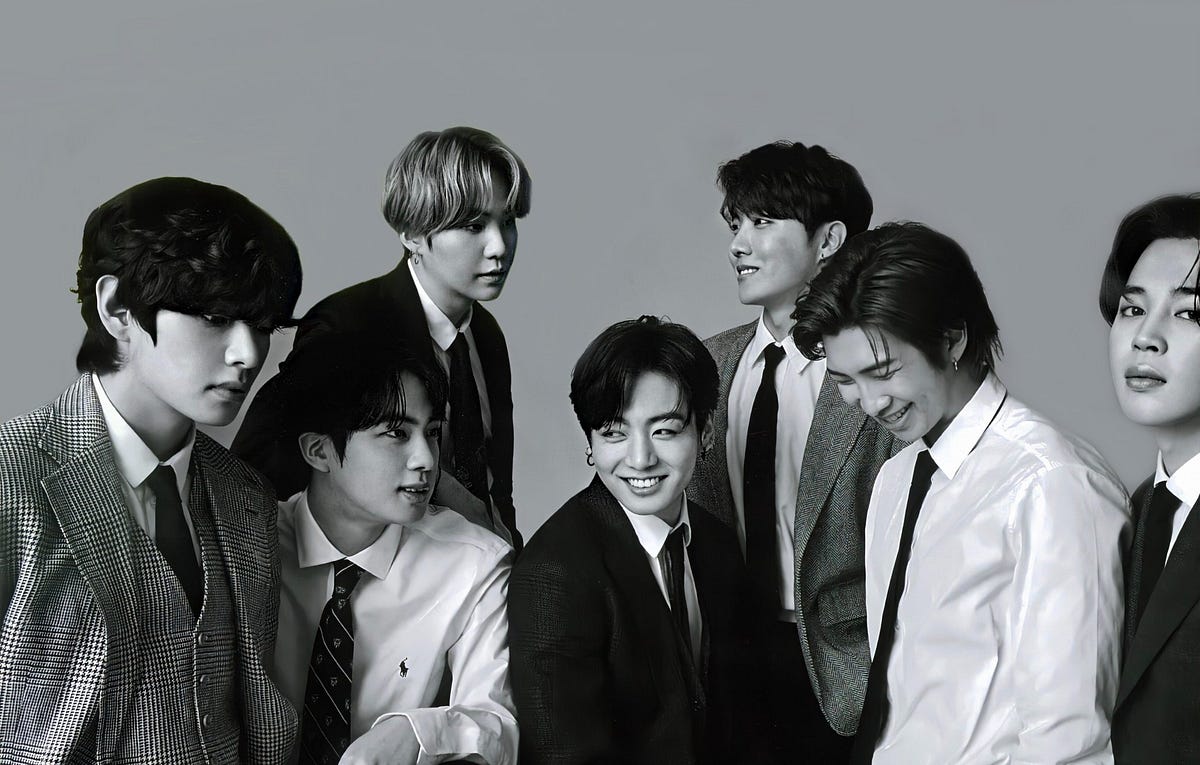
This model is largely inspired by K-pop—and more specifically, by BTS.
But somewhere between copying the tactics and implementing the strategy, the industry missed the point.
What Western labels are replicating is the movement. What they’ve failed to understand is the intention behind it.
The Critical Misread: Tactics Without Purpose
If you look closely at how Western labels are now grooming emerging artists, the pattern is clear. Artists are being pushed to produce more content on YouTube, TikTok, Instagram, and livestream platforms. They’re encouraged—sometimes required—to be more visible, more accessible, more “present.”
What’s missing is the why.
BTS didn’t build their presence across platforms because a strategy deck told them to “increase engagement.” They did it because their relationship with their audience required continuity, dialogue, and shared time. Content was never the goal. Connection was.
Yet when Western labels adopt these surface-level behaviors, there’s often no concern for whether the artist even wants that level of exposure, let alone whether it aligns with who they are. The result is content without meaning—output without intimacy.
That’s where the entire model starts to collapse.
BTS Didn’t Build a Fanbase. They Built a Community.
This is the distinction most executives still don’t fully grasp.
A fanbase is transactional. A community is relational.
BTS didn’t just accumulate supporters. They cultivated a shared identity—between the artist and the audience, and crucially, within the audience itself.
This is also where Taylor Swift becomes relevant—not as a comparison point, but as proof that the model works across cultures when the intention is right.
Taylor Swift and BTS use different tactics. Radically different ones. But the strategy is the same: closeness, trust, and emotional continuity.
Fanbase vs. Community: The Structural Difference
A fanbase revolves around consumption. A community revolves around participation.
In a traditional fanbase, engagement looks like this:
- Streaming releases
- Buying albums
- Attending concerts
- Participating in trends
- Following updates
It’s artist-centered and largely one-directional. Fans consume. The artist produces. Loyalty is conditional—often tied to success metrics like chart performance, frequency of releases, or public visibility. When momentum slows, fans drift.
This is why churn is so common, especially in idol-driven markets.
A community operates differently.
Here, the emotional bond isn’t limited to fan-to-artists. It extends fan-to-fan. Members feel connected through shared values, language, rituals, and purpose. Engagement doesn’t stop when releases pause. It evolves.
With BTS’s fandom, activity continues even during enlistment. Projects emerge organically—charity initiatives, listening parties, educational threads, creative collaborations. The ecosystem sustains itself.
Shared Identity Is the Anchor
Communities survive because they aren’t dependent on constant output.
BTS anchored their audience around ideas—self-worth, self-expression, growth, reflection. Over time, these values became internalized by the fandom itself. The music wasn’t just something to consume; it became something to interpret, discuss, revisit, and apply.
Time is the currency of relationships.
BTS’s narrative-driven storytelling ensures that engagement doesn’t end when a song drops. Fans spend time with the work—connecting albums, decoding themes, revisiting older tracks for context. That sustained attention is what deepens emotional investment.
Access Without Distance
Another overlooked element is how BTS flattened hierarchy.
Through livestreams, casual posts, inside jokes, and unpolished moments, they treated their audience less like consumers and more like companions. They asked questions. Shared uncertainties. Let fans into the mundane.
It recalibrates the relationship from spectacle to proximity.
And importantly, it never felt forced.
Meaning Beyond Music
BTS’s engagement extends beyond entertainment. Their alignment with causes—mental health, self-acceptance, education, art—created multiple entry points for connection. Fans weren’t just supporting songs. They were supporting values.
The multiplicity strengthens bonds. Relationships built on one dimension are fragile. Relationships built on many endure.
An Ecosystem That Invites Contribution
Another critical, often ignored factor: BTS’s ecosystem encourages participation.
Platforms like Weverse function as living spaces, not just storefronts. Fans post, converse, organize, and create without being prompted. The community produces value for itself.
Even more quietly influential is HYBE’s approach to content usage. By allowing creators flexibility in how BTS’s music and materials are used, they empowered a massive secondary creative economy—analysis, reactions, essays, edits, discussions. That freedom multiplied reach and deepened engagement.
Other companies still treat this as a threat. BTS treated it as fuel.
Devotion That Wasn’t Manufactured
Perhaps the most telling indicator is this: the volume of music BTS has written for their fandom.
Not one song. Not a gesture. But dozens—woven naturally into their discography over time. That consistency communicates sincerity more effectively than any campaign ever could.
Add to that the handwritten letters, the continued communication during military service, the refusal to disappear from emotional proximity—and the message becomes clear.
Why “Superfan” Is Already Outdated
The irony is that the Western industry is now chasing a concept BTS moved past years ago.
“Superfan” still look at the relationship as transactional—just more intense. But intensity without belonging burns out. What sustains long-term success isn’t heightened consumption. It’s shared meaning.
Taylor Swift understands this instinctively. She may not flood platforms with extra content, but her concerts are communal experiences. She contextualizes songs, shares stories, and invites audiences into the narrative. Fans leave feeling included—not impressed, but connected.
The Missing Ingredient: Intention
What Western labels are lacking isn’t data, platforms, or technology, it’s intention.
Strategy without purpose creates output, not attachment. You can manufacture visibility. You cannot manufacture a community. That requires vulnerability, consistency, and something worth gathering around.
BTS didn’t accidentally build the most durable fandom of the modern music era. They understood—early—that people don’t stay for spectacle alone. They stay when they feel seen, connected, and part of something larger than consumption.
Until the industry learns that difference, it will keep copying the shape of success without ever accessing its core.
