

In a country where scorching temperatures are a year-round reality, Thailand is taking proactive steps to protect its residents from the dangers of extreme heat. The Bangkok Metropolitan Administration (BMA) has launched an initiative featuring 225 free ‘Cooling Centres’ across the capital, alongside 2,806 clean drinking water stations.
Announced in early 2026, these air-conditioned havens — located in 51 BMA schools, 10 vocational colleges, 68 public health service centers, and 50 district offices — offer respite from the relentless sun, with free admission for anyone in need.
It’s a simple yet effective response to a growing crisis, as Bangkok braces for even higher temperatures than the record-breaking heatwaves of 2025. But these stations aren’t just about beating the heat; they’re sparking a broader conversation about urban adaptation in tropical regions, where heat-related risks are escalating fast.
The Heat Stroke Crisis in Tropical Countries: Alarming Data and Recent Incidents
Heatwaves aren’t just uncomfortable — they’re deadly. Tropical countries, with their high humidity and consistent warmth, are particularly vulnerable to heat stroke, a life-threatening condition where the body’s core temperature rises above 40°C (104°F), leading to organ failure if untreated.
Global data paints a grim picture: Between 2000 and 2019, an average of 489,000 heat-related deaths occurred annually, with 45% in Asia alone, according to WHO estimates. In 2023, a massive heatwave across Asia resulted in over 178,000 excess deaths globally, with subtropical and temperate zones in the Northern Hemisphere hit hardest, per a World Weather Attribution study.
Recent incidents highlight the urgency. In Thailand, the 2024 summer heatwave led to a threefold increase in heat stroke deaths compared to previous years, with over 100 reported fatalities and thousands hospitalized, according to local health reports. India saw a surge in 2023–2024, with more than 1,000 heat stroke deaths during the pre-monsoon season, including 100 in Uttar Pradesh alone in June 2023.


Japan recorded over 100,000 heat stroke hospital cases in 2024’s hottest-ever summer, per the Fire and Disaster Management Agency. The Philippines and Cambodia reported spikes in 2024, with hundreds of cases amid temperatures exceeding 40°C. Even in 2025, projections for equatorial nations like Indonesia and Malaysia warn of record heat, with urban areas 2–7°C hotter due to the “urban heat island” effect, exacerbating risks in cities like Bangkok and Jakarta.
These numbers underscore a trend: climate change is making heatwaves more frequent and intense, with the World Meteorological Organization predicting 2026 could rank among the hottest years on record. Vulnerable groups — outdoor workers, the elderly, and children — face the highest risks, but anyone can succumb without proper cooling and hydration.

Beyond Health: The Overlooked Benefits of Cooling Stations
While preventing heat stroke is the primary goal, cooling stations offer subtler advantages that are often overlooked. In tropical climates, where sweat and humidity are constant, these spaces help people stay fresh and hygienic — crucial for daily life. Imagine heading to a job interview, school exam, or work meeting drenched in sweat; it undermines confidence and professionalism.
Cooling stations provide a quick reset, reducing body odor, preventing dehydration-induced fatigue, and maintaining a polished appearance. This is especially vital in densely populated urban areas like Bangkok, where public transport commutes can turn into sweaty ordeals. By offering a hygienic haven, they indirectly boost productivity, mental well-being, and social equity — ensuring everyone, from students to professionals, can show up at their best.
Other Countries Leading the Way with Innovative Cooling Solutions
Thailand isn’t alone in tackling urban heat. Many nations have implemented creative initiatives to provide relief during heatwaves:
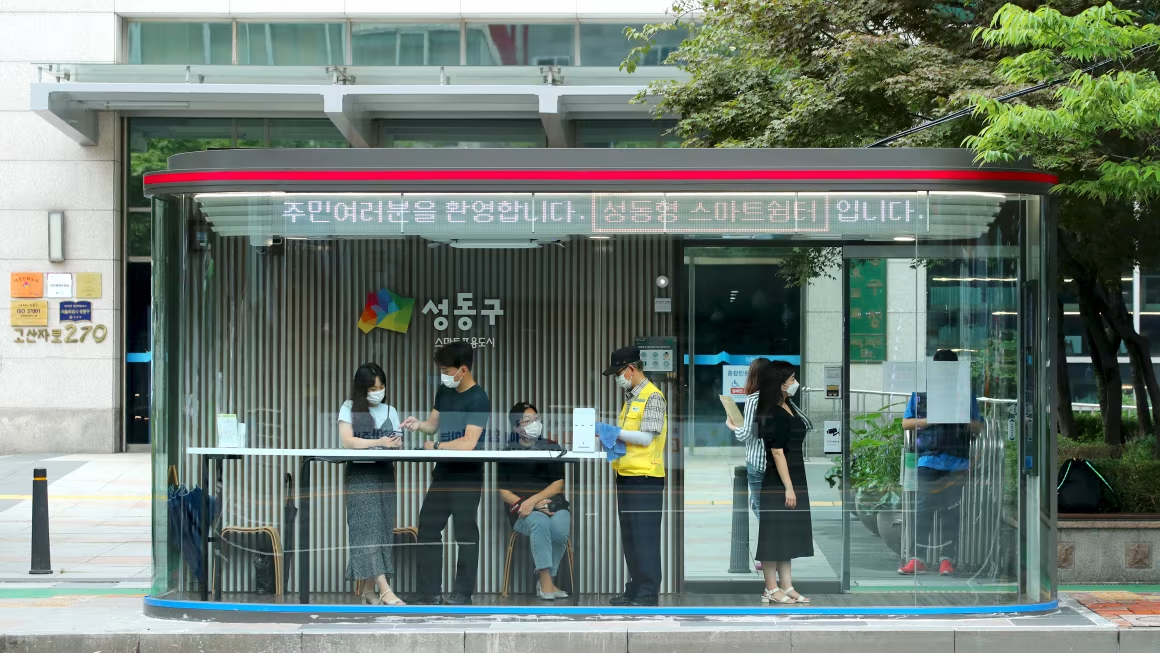
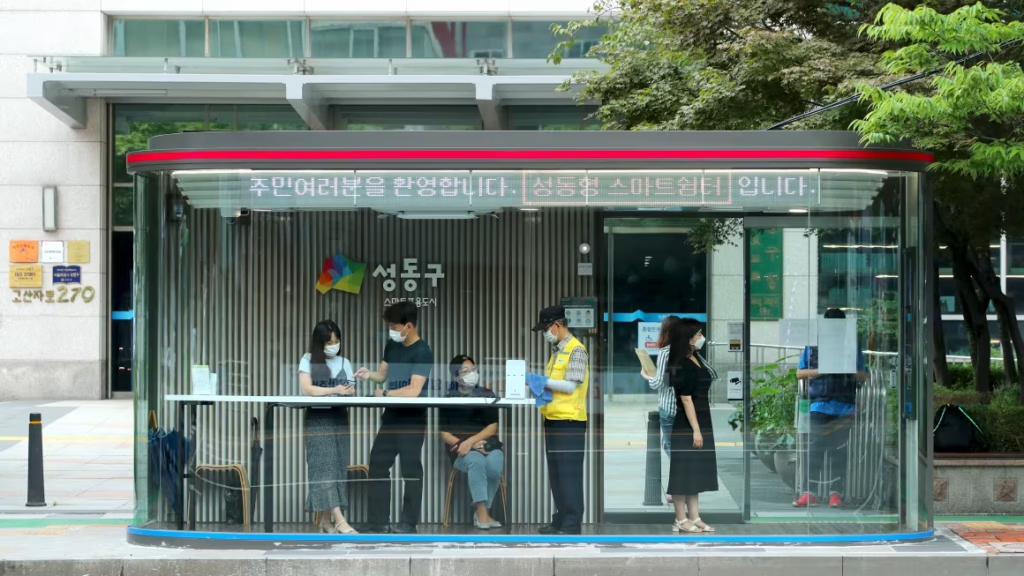
- South Korea: Bus stops in cities like Seoul feature air-conditioned shelters with fans in summer and heaters in winter, reducing wait times in extreme weather. Some even include misting systems for instant cooling.
- Spain (Seville and Madrid): Bioclimatic bus stops use evaporative cooling and solar power to drop temperatures by up to 20°C. Seville’s prototypes, piloted in 2023, combine water misting with ventilation, while Madrid’s 2024 trials focus on natural shading and eco-friendly designs.
- United Arab Emirates (Dubai): AC bus stops are standard, fully enclosed with air conditioning to combat desert heat exceeding 45°C. They’re equipped with seating and sometimes Wi-Fi, making waits bearable.
- Japan: Misting stations and cooling shelters pop up in Tokyo and Osaka during summer, often in public parks or train stations. Some bus stops use “Green Air Conditioners” — plant-based evaporative systems tested since 2017 — to lower ambient temperatures naturally.
- India (Delhi): Cooling centers in public buildings and libraries open during heatwaves, providing AC, water, and rest areas. In 2024, Delhi expanded these to include shaded bus stops with fans.
- Singapore: Air-conditioned bus interchanges and public spaces are commonplace, with some stops featuring evaporative cooling. The city’s “cool islands” initiative includes misting fans and green roofs for urban relief.
- Australia (Sydney): Cooling hubs in libraries and community centers activate during heatwaves, offering free AC and hydration. Some bus stops incorporate solar-powered fans and shade structures.
These examples show a global shift toward adaptive infrastructure, blending technology (AC, solar) with nature-based solutions (misting, greenery) to combat heat.
Why Tropical Countries Should Prioritize Cooling Initiatives
With climate change amplifying heatwaves, tropical nations like Thailand, Indonesia, the Philippines, and Malaysia must invest in similar systems. Beyond saving lives — where heat-related deaths could rise 370% globally without action, per 2024 studies — these initiatives enhance daily life. They’re cost-effective (e.g., repurposing schools or malls as centers), promote equity by aiding low-income groups, and boost economic productivity by reducing heat-induced absences.
Overlooked perks like hygiene maintenance are key in humid climates, where sweat can lead to skin issues or discomfort during formal engagements. Starting small — like Korea’s bus stops or Seville’s pilots — can scale to national networks, fostering resilience in a warming world.
Thailand’s 225 cooling centers and water stations are a model worth emulating. As Bangkok swelters, this initiative isn’t just relief — it’s a blueprint for survival.
What’s your take on urban cooling solutions? Have you used one in Thailand or elsewhere? Share below at asianentertainmentandculture.com — we’re exploring more ways Asia is adapting to climate challenges!
