

Alibaba has always been more than just the world’s biggest e-commerce machine. While the company built its fortune on B2B platforms like Alibaba.com and the consumer juggernaut of Taobao and Tmall, it has spent more than a decade quietly (and sometimes not so quietly) building a full-stack entertainment play. From films and streaming to music, ticketing, live events, and now artist development, the tech giant has treated culture as both a strategic moat and a natural extension of its ecosystem. The latest moves — a first international primary ticketing deal and a brand-new global artist label — show that the real-world, high-emotion side of entertainment is now central to the plan.
The Long Game: How Alibaba Got Into the Show
Alibaba’s entertainment roots stretch back to the mid-2010s. In 2014 it bought a controlling stake in ChinaVision Media and rebranded it Alibaba Pictures Group, instantly becoming one of China’s biggest film players by market value. Around the same time it invested heavily in Youku Tudou (later fully integrated as Youku), giving it a major streaming platform. Ticketing came next: Alibaba first backed Damai in 2014 and bought the company outright in 2017, turning China’s leading live-events ticket platform into a core asset. By 2017 the company had already created a dedicated live-entertainment unit that bundled Damai with content and tech tools.
Music was another early bet. Alibaba acquired Xiami Music (then a cool, indie-leaning streaming service founded around 2008) in 2013 and later launched AliMusic under industry veterans Gao Xiaosong and Song Ke. The idea was classic Alibaba: use data, community features, and the company’s vast user base to build something stickier than pure streaming. Xiami became known for discovery, playlists, and a slightly more alternative vibe than the mass-market giants.
It didn’t last. In January 2021 Alibaba announced it would shut Xiami down entirely by early February. Official reason: “operational adjustments” and “business development-related adjustments.” The real story was uglier. China’s music streaming market had consolidated hard around Tencent Music (QQ Music, KuGou, KuWo) after Tencent locked up exclusive rights deals with major labels. Xiami’s catalog became patchy, user growth stalled, and it held only about 2% market share. Alibaba itself had even invested in rival NetEase Cloud Music a couple of years earlier. Licensing gridlock, cultural mismatch between Xiami’s indie roots and Alibaba’s monetization DNA, and pure competitive reality killed it. The shutdown was a rare public retreat for the company — and a clear signal that pure digital music streaming wasn’t the hill Alibaba wanted to die on.
From Films to “Reality Entertainment”
Fast-forward to 2025. Alibaba Pictures rebranded as Damai Entertainment Holdings in June, deliberately taking the name of its live-events powerhouse. The shift wasn’t cosmetic. The company now positions itself as a “technology-driven real-life entertainment” business focused on immersive, interactive, offline experiences — films, concerts, theater, sports, exhibitions, IP merch, artist management, and venue services. Live content and technology already generate solid revenue, and Damai has access to over 20,000 venues. In the six months to 30 September 2025, overall revenue jumped 33% year-on-year to RMB 4 billion (about $561 million), with profit attributable to owners up 54% to RMB 519.5 million ($73 million). Live is clearly the growth engine.
Why double down on entertainment when the core B2B and e-commerce businesses are still massive? Simple: ecosystems eat pure platforms. Live events drive high-intent traffic that converts into merch, travel, and Alipay spend. Artist management and content create IP that can be licensed across Taobao, Youku, and beyond. Young consumers in China and Asia are spending more on experiences than pure goods — the “new consumption” wave. And after years of regulatory pressure on pure tech and internet platforms, real-world entertainment offers both diversification and a friendlier narrative. Alibaba isn’t abandoning B2B; it’s using its tech, data, and payments muscle to own the full entertainment value chain the way Amazon and Tencent have tried.
First Step Outside China: Ticketing for GAI in Malaysia
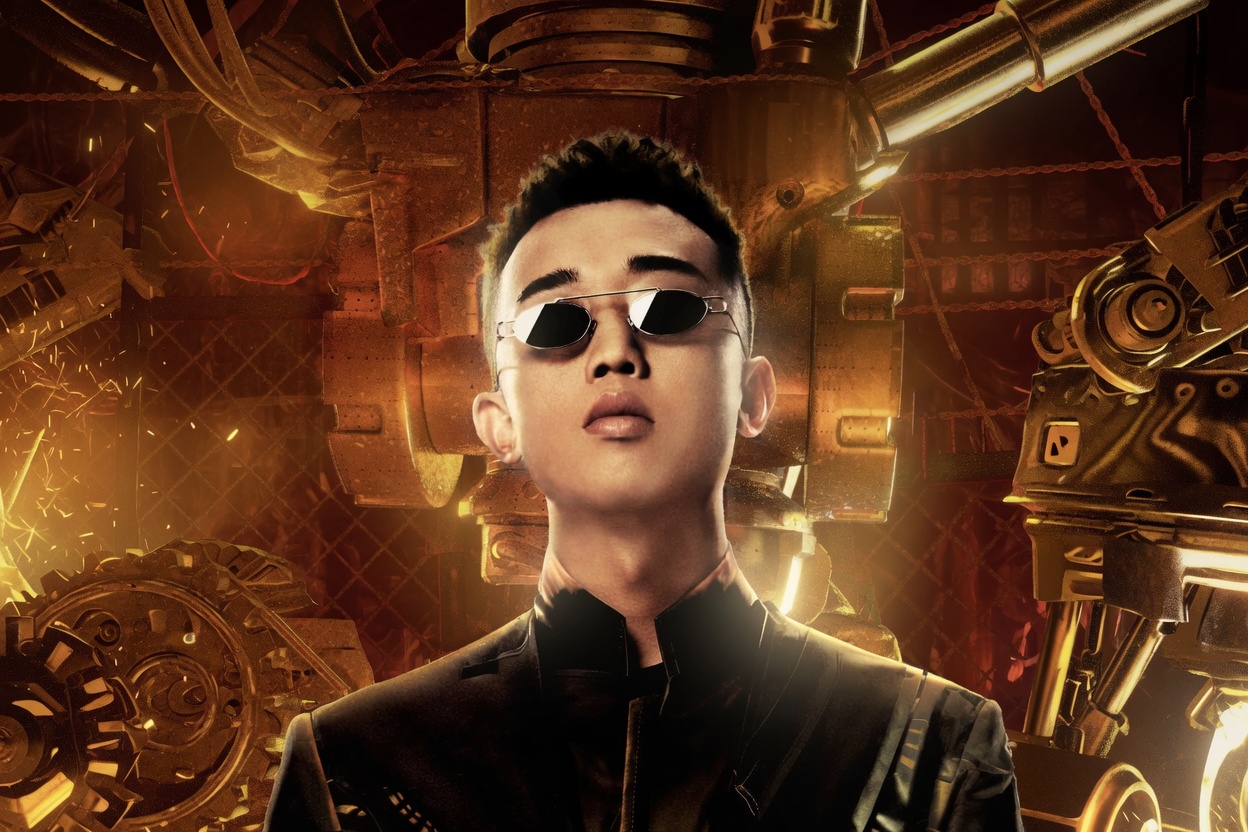
Damai’s international arm is now making that strategy tangible. MAISEAT, the global ticketing platform launched in November 2025 (with app support for Chinese, English, Japanese, and Korean, plus Alipay integration), just landed its first primary ticketing role outside mainland China. It will handle sales and serve as co-organiser for Chinese rapper GAI’s (Zhou Yan) EVOLUTION 2026 World Tour stop in Malaysia on 10 May at the Arena of Stars, Resorts World Genting. Presales sold out; this is the first time MAISEAT has been the official primary ticket partner internationally.
It’s a smart, low-risk beachhead. Chinese artists already tour Southeast Asia heavily. Malaysia is culturally and logistically friendly. Success here validates the localized, end-to-end model (tickets + customer service + payments) before bigger markets. Walter Zheng, head of MAISEAT and president of Damai International, has framed it as a milestone that proves they can help Chinese talent reach global fans while becoming a trusted partner for international promoters.
Enter ORCA: Building Artists, Not Just Selling Tickets
Even more ambitious is the 3 July 2026 launch of ORCA (Original Creative Artists), Damai International’s new artist development and content production label. Paired with a worldwide open audition called All My Anecdotes Global Audition (running until 3 August, no restrictions on age, gender, or nationality), ORCA aims to find and develop talent into a future international music group. Current roster: dancer/choreographer Audrey Lane (Jam Republic, Street Woman Fighter 2 runner-up, credits with MEOVV and KATSEYE’s Megan) and singer-songwriter DANY. Both appear in the launch trailer.
“ORCA is about creativity, artistry and thinking beyond borders,” said Daryl Wang, senior vice president of music business at Damai International. Walter Zheng added that the program is “an important step in our global talent development strategy” that leverages Alibaba’s ecosystem to give artists resources, training, and a real platform to go global.
This isn’t coming out of nowhere. Chinese platforms once owned the domestic idol-factory game (iQiyi’s Idol Producer and Youth With You, Tencent’s Produce Camp). Those shows were largely banned after the 2021 “Youth With You 3” milk-dumping scandal. Chinese companies then exported the format (Tencent’s Chuang Asia in Thailand; Alibaba’s own Youku eventually aired Asia Super Young with TVB, producing LOONG9). Meanwhile K-pop giants like HYBE and SM run global auditions that deliberately court Chinese talent, even as full K-pop tours remain complicated in mainland China. ORCA is Damai’s version of the same playbook — but from the Chinese side, with Alibaba’s deep pockets and distribution muscle behind it.
The Bigger Picture
China’s recorded music market just became the world’s fourth largest in 2025 ($1.9 billion trade revenue, +20.1% YoY), and it’s the largest streaming market by paying users. Live entertainment is booming. Universal Music’s Greater China boss has already said that after K-pop, Chinese pop is next to go global. Damai is positioning itself at the intersection of all of it: ticketing and venues, content production, artist development, and e-commerce monetization.
The Xiami failure taught Alibaba that half-measures in pure digital content don’t work against Tencent’s fortress. The current strategy is more grounded — own the live experience, develop the talent that fills the stages, ticket it globally, and sell everything around it. Whether ORCA produces the next big international act or MAISEAT becomes a real rival to Ticketmaster in Asia remains to be seen. But after more than a decade of building pieces, Alibaba is finally assembling the whole entertainment machine — and this time it’s thinking way beyond China’s borders.
