

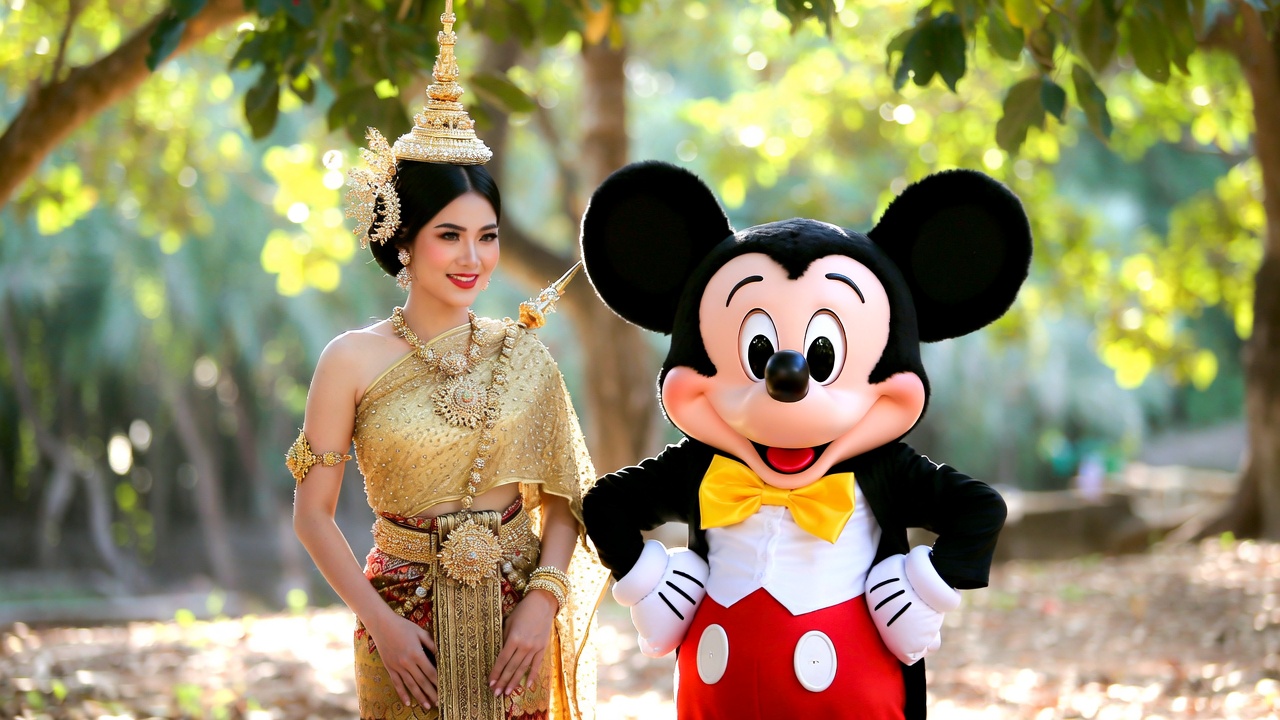
Thailand is actively pursuing an ambitious plan to host Southeast Asia’s first Disney theme park, aiming to revitalize its tourism sector amid recent challenges. The government-backed initiative, centered in the Eastern Economic Corridor (EEC) east of Bangkok, has generated excitement as a potential game-changer for the economy. However, with a national election approaching, political volatility is casting doubt on whether the project can move forward smoothly.
The Proposal: Aiming for Asia’s Fifth Disney Destination
Thailand’s push for a Disneyland stems from the absence of any Disney-branded theme park in Southeast Asia, despite the region’s growing tourism market. Deputy Prime Minister and Transport Minister Phiphat Ratchakitprakarn has publicly championed the idea, describing it as feasible and not a “pipe dream.” In statements from late January and early February 2026, he emphasized Thailand’s positioning as a prime candidate, highlighting the country’s infrastructure advantages.
The proposed site lies within the EEC, a special economic zone spanning provinces like Chonburi (potentially the core location), Rayong, and Chachoengsao. This area benefits from proximity to Bangkok, Suvarnabhumi Airport, and the resort hub of Pattaya, plus existing transport links including roads, ports, and planned high-speed rail connections between key airports (Don Mueang, Suvarnabhumi, and U-Tapao).
The vision extends beyond just rides. Officials envision an integrated “Entertainment & Lifestyle Hub” that could include:
- A major Disney theme park (with land allocations discussed between 153 and 480 hectares).
- A concert hall.
- A large stadium seating around 80,000 people.
- Supporting infrastructure to boost family-oriented tourism.
The government prefers direct investment from The Walt Disney Company but has indicated flexibility, such as acquiring a licensing agreement to operate under the Disney brand if outright partnership proves elusive. This approach mirrors models in other Asian Disney parks, like Hong Kong Disneyland (a joint venture) or Tokyo Disney (licensed operations).
If realized, the park would become Asia’s fifth Disney resort, following Tokyo Disneyland and DisneySea, Hong Kong Disneyland, and Shanghai Disneyland. Proponents argue it could draw millions of additional visitors—especially families—helping reverse a recent dip in international arrivals. In 2025, Thailand saw a decline in foreign tourists and tourism revenue, prompting urgent efforts to diversify attractions beyond beaches and cultural sites.
Boosting Tourism and Infrastructure
The Disneyland bid ties directly into broader economic goals. Tourism remains a cornerstone of Thailand’s economy, contributing nearly 20% of GDP pre-pandemic and still vital today. A world-class Disney park could serve as a “magnet project,” driving demand for new infrastructure like expanded airports, rail links, and urban developments in the EEC.
Supporters highlight potential benefits:
- Job creation in construction, operations, and hospitality.
- Increased foreign investment and real estate growth.
- Enhanced appeal to high-spending family travelers from China, South Korea, India, and beyond.
- Cultural integration ideas, such as Thai-themed zones (e.g., floating markets or local-inspired attractions), have surfaced in public discussions.
Social media reactions show strong backing, with surveys indicating around 75-76% support for the economic stimulus it could provide.
Political Instability Clouds the Outlook
Despite the optimism, Thailand’s turbulent political scene poses significant risks. The country has a history of coups, court interventions, and coalition instability. As of February 2026, a snap general election is imminent—potentially as early as February 8—following recent government shifts and controversies.
The Disneyland proposal, heavily promoted by the current administration under Deputy PM Phiphat, could face uncertainty if a new government takes power. Critics, including opposition figures from parties like the People’s Party, have labeled it an “outdated economic model” potentially tied to corruption or kickbacks, questioning policy continuity for mega-projects.
Concerns raised online and in media include:
- Whether the project is a pre-election promise that might stall post-vote.
- Challenges like Thailand’s hot climate affecting year-round appeal.
- High ticket prices potentially excluding many locals.
- Broader worries about transparency in large-scale investments.
Past mega-projects, such as high-speed rail developments, have faced delays due to political changes, adding to skepticism. While the Thai Embassy in Washington, D.C., has amplified the bid (boosting visibility), no formal agreement or announcement has come from Disney itself. The project remains in early feasibility and pitching stages.
Looking Ahead
Thailand’s bid for Southeast Asia’s first Disney park reflects creative thinking to reboot tourism and justify major infrastructure spending. A successful Disney resort could transform the EEC into a global entertainment destination, but realization hinges on political stability, investor interest, and sustained government commitment.
As the election nears, the plan’s fate may depend on whether the next administration views it as a priority or a risky venture. For now, the idea captivates imaginations—sparking dreams of Mickey Mouse in the Land of Smiles—but the road from proposal to reality remains uncertain.
