

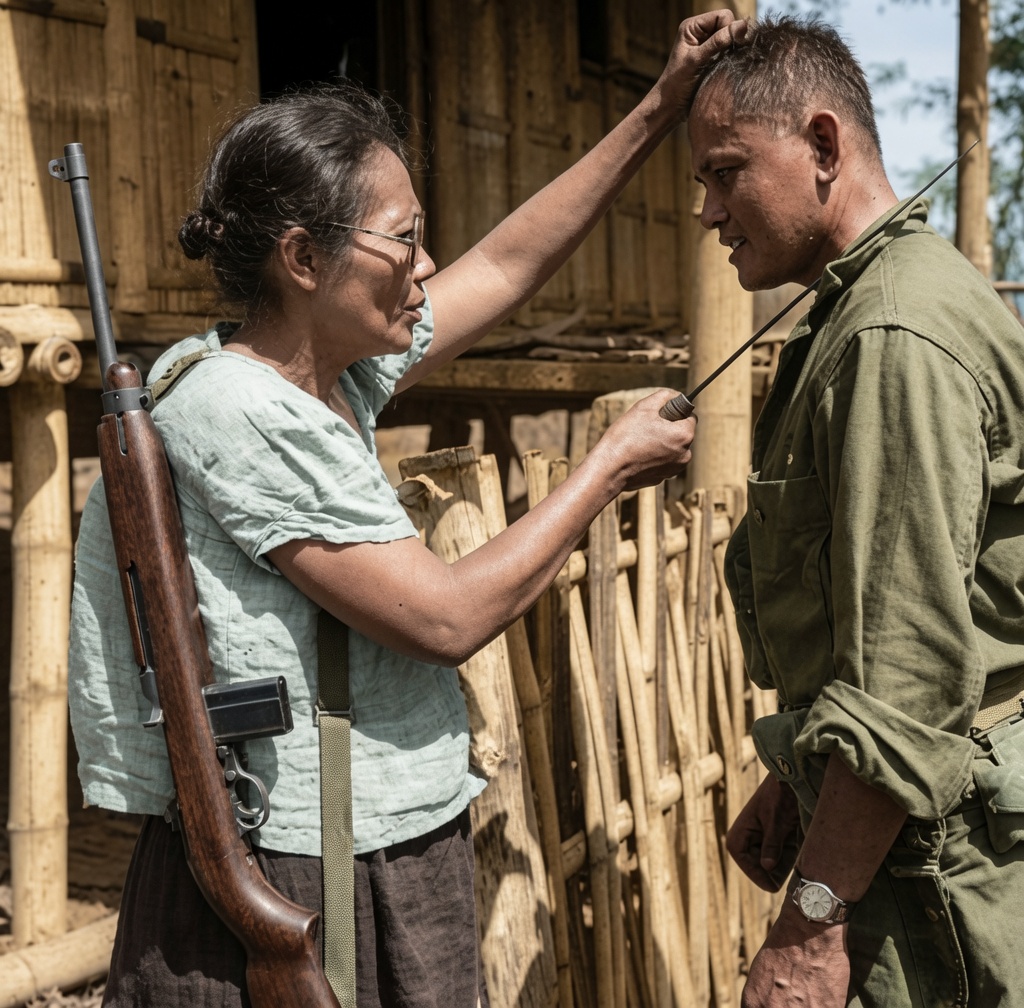
Never underestimate a teacher with a mission — especially one armed with a bolo knife and unbreakable courage. While many stories of World War II focus on grand battles and famous generals, some of the most remarkable resistance came from unlikely heroes in the shadows. Enter Nes Fernandez, the former schoolteacher from Tacloban who transformed from educator to one of the most feared guerrilla leaders in the Japanese-occupied Philippines.
From Lesson Plans to Battle Strategies
Before the invasion, Fernandez was simply a dedicated teacher shaping young minds in Tacloban. When Japanese forces overran the Philippines, she refused to stand by. Instead of waiting for rescue, she became the resistance. With nothing but fierce determination, she assembled a guerrilla band of Filipino fighters, training them in improvised warfare using stolen weapons, homemade shotguns, and even bare hands.
But Fernandez wasn’t content directing from safety. She became a one-woman wrecking crew, slipping through enemy lines for silent assassinations that left Japanese soldiers terrified of the dark. Her weapon of choice? The trusty bolo knife — up close, personal, and devastatingly effective. She orchestrated precision ambushes that made entire patrols vanish into the jungle, captured enemy supplies to fuel her growing force, and led from the front, proving her mettle time and again.
The Japanese eventually placed a massive 10,000-peso bounty on her head — an enormous sum in wartime — yet she evaded capture while leading over 100 guerrillas in highly effective operations that diverted enemy resources and boosted local morale.
A Legend Who Returned to the Classroom
Her impact was so significant that Japanese forces had to redirect troops specifically to hunt her down. They never succeeded. After liberation, Fernandez didn’t chase fame or glory. She quietly returned to teaching, embodying humility after proving herself one of the deadliest figures in the Pacific resistance.
Stories like hers highlight the incredible resilience and ingenuity of Filipino guerrillas during the occupation. Teachers, farmers, and ordinary citizens became extraordinary defenders of their homeland.
Moral of the story: Never judge by appearances. The quiet ones with a mission can rewrite history — sometimes with a lesson plan, sometimes with a bolo knife.
This tale of courage from the Philippines deserves a permanent place in WWII narratives and reminds us that true heroes often start in the most unexpected roles.
