

Japanese are known for perfection, high-quality products and impeccable manners. Its prosperity and order make people think the country affords all its citizens their ideal jobs.
While it sounds romantic and, quite honestly, preferable, the truth is that many people end up stuck in a job they don’t like because they need to pay the bills — and there aren’t a lot of opportunities to go around.
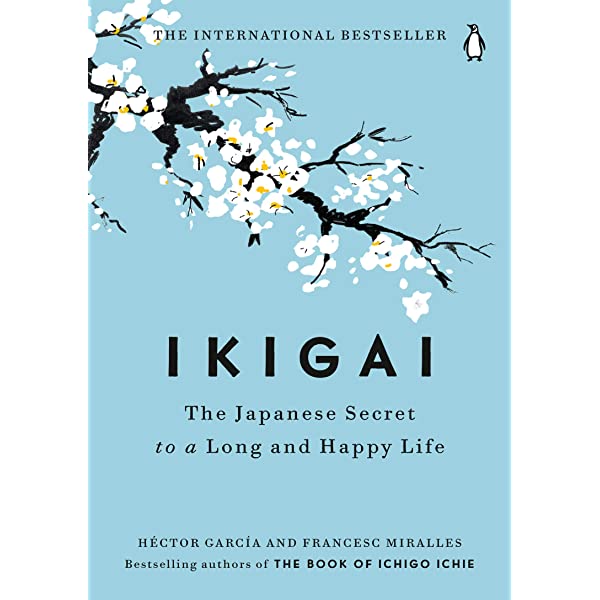
Ikigai: The Japanese Secret to a Long and Happy Life by Héctor García and Francesc Miralles tried to uncover how people in Japan live long and fulfilling lives by finding their Ikigai. The book offers practical insights, exercises, and real stories.
First, we must understand what Ikigai is.
Ikigai is the Japanese concept that helps people marry the practical and the ideal. That’s partly why I like it: it’s realistic, it doesn’t overpromise, and it’s relatable.
Ikigai literally translates to “the reason for being.” In Kanji, it’s written by combining two characters that mean life and worthwhile. In other words, a life worth something.
The diagram below demonstrates it:
- What you love
- What the world needs
- What you can be paid for
- What you are good at
If what you love is also what the world needs, that’s a mission.
If what the world needs is also what you get paid for, that’s a vocation.
If what you get paid for is also what you are good at, that’s a profession.
If what you are good at is also what you love, that’s a passion.
And at the center of it all is your Ikigai — your reason for being.

Your Worthwhile Life Is In The Intersection Of What You Are Good At, What You Love, What The World Needs, And What They Are Willing To Pay You
A source of living is a major factor. Ikigai doesn’t propose that you simply chase passion or give up everything to make an impact. It says paying the bills is just as important as doing something you love. You need all four — and when you do, you’re a step closer to living a peaceful life.
Those Four Things Don’t Have To Be The Same
As I mentioned, many will end up stuck in a job they don’t like. Ikigai doesn’t propose that you leave the job — at least not until you have a viable alternative. It suggests you appreciate what it can do for you: pay your bills, secure your future, afford some luxuries.
A Japanese friend told me about her employer’s household help, let’s call her Lara. Lara didn’t like the work at first and enrolled in college. Halfway through, she realized she would rack up debt she’d spend her life repaying, and that starting a family would be delayed.
That’s when she paused and reevaluated what she really wanted. She wanted a family. She didn’t love housekeeping, but she loved the family she worked for. They treated her well and gave her flexibility with family matters. So she quit college, started her family, and continued working as a housekeeper — something she still does today. Her first daughter is already in college.
Being a housekeeper is not her passion, but it is what she can be paid for while prioritizing her family. Her vocation sustains her passion. She recognizes that work provides the money and flexibility to support her children. That balance is her Ikigai. Work and passion are separate, but one enables the other.
What You Are Passionate About May Be Connected To What Makes You Money
Steve Jobs is a perfect example. Known as a revolutionary tech entrepreneur, he was, at heart, in love with craftsmanship. He studied calligraphy and admired the simple sophistication of Japanese aesthetics.
Those same principles shaped the iPhone: clean and simple design. Technology wasn’t his passion — craftsmanship was. He just found a way to express it in something profitable.
I once interviewed a venture capitalist who invests in software startups. Software wasn’t his passion. Learning was. He loved new ideas, processes, and technologies. Venture capital simply allowed him to keep learning while making money.
I also interviewed the founder of a lawnmowing app. His first one sold for $10 million. Lawn mowing wasn’t his passion. Success was.
Ikigai Doesn’t Dwell On Happiness, It Dwells On Peace
Ikigai is not a path to happiness. It guides you to live a life that matters, not necessarily one full of constant joy. Happiness is fleeting. Peace endures.
So in your search for what makes life worthwhile, look for what brings peace — the sense that you’re contributing while still able to enjoy your life.
It’s Acceptance And Living It
Writing, family, and faith — those are my passions. But writing, at least back in Japan, couldn’t provide enough income to support my family.
A retail business, however, did. I was good at it, good enough to build a career out of it for decades. So I accepted that selling would be my money-making venture. Once I accepted that, I was able to adjust my life so I could still write while providing for my family.
I found balance between work and passion, and in the process found a way to contribute a little to society. It comforts me to think I might make one life a little better because of the life I live.
That’s why I think Ikigai is one of the most relatable and viable life principles. It’s not idealistic. It’s realistic in how it helps you reach your ideal.
Fundamental Flaw Of The Book
Ikigai: The Japanese Secret to a Long and Happy Life by Héctor García and Francesc Miralles features stories of different people working different jobs usually regarded to be boring. There’s an elevator operator who finds satisfaction in being a witness to the daily lives of workers in the building.
The stories deliver the point. You can find satisfaction in your work but it has one fundamental flaw: it chases happiness. Happiness is not central to Ikigai. It also assumes people will always find a way to monetize their passion — and, as I said earlier, that isn’t always the case.
This essentially doesn’t really embody what Ikigai is.
So, while I recommend Ikigai, I wouldn’t necessarily recommend the book.
